
Back to blog
Article
Mobile Toilet Truck Skills
Admin September 24, 2026
The skills for using mobile toilet trucks cover aspects such as operation, cleaning, and wind-proof reinforcement, requiring flexible application in combination with safety regulations and actual scenarios.
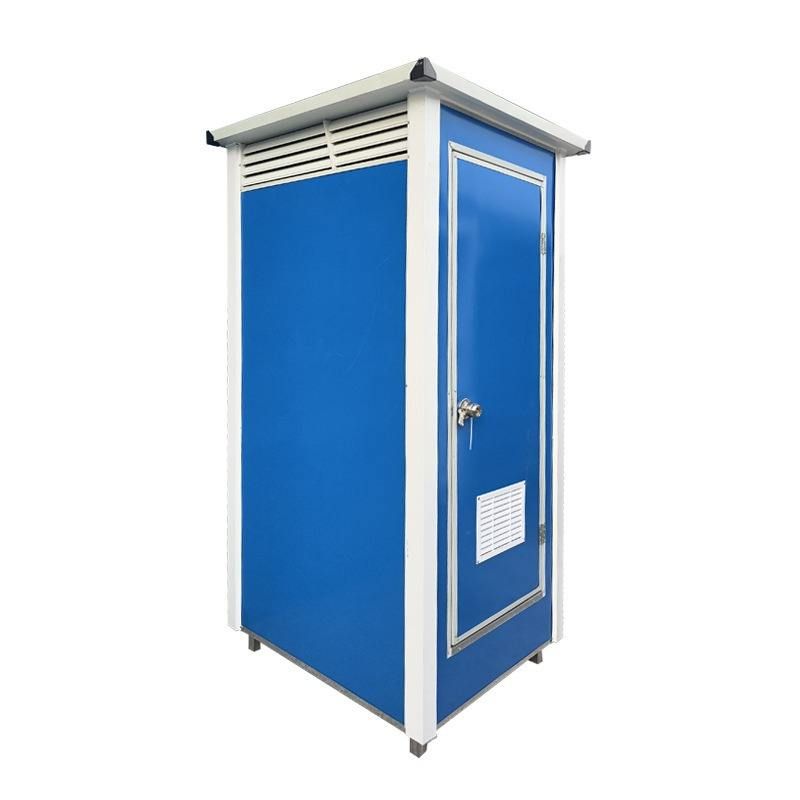
I. Operation Essentials
- Pre-deployment Inspection: It is necessary to confirm safety indicators such as the chassis braking system and the sealing of the sewage treatment tank to prevent leakage or loss of control during driving or use.
- Regular Cleaning and Maintenance: During use, the sewage treatment tank should be emptied every 20-30 person-times to prevent the vehicle's center of gravity from shifting due to overloading; after the vehicle is collected, the functional compartments should be thoroughly disinfected to inhibit bacterial growth.
- Driving Regulations: Due to the large total mass of the vehicle, it is necessary to comply with the speed limits for heavy-duty trucks, avoid rapid acceleration or sharp turns, and ensure driving stability.
II. Cleaning Skills
- Professional Equipment and Process: The cleaning team uses a sewage suction truck (with a vacuum pump negative pressure of ≥0.08 MPa) connected to a dedicated pipeline to suction sewage and solid waste. After that, they use a high-pressure water gun to flush the inner and outer walls of the toilet compartments and spray deodorizers and disinfectants.
- Adaptation to Different Models: For independent, towed, or container-type toilets, suction pipes of different lengths and quick-connect fittings are selected. The suction flow rate is controlled by a manual gate valve to prevent blockages or overflows.
- Scenario-based Operations: In crowded events (such as music festivals), plan the route in advance and choose times with sparse crowds for cleaning; at construction sites, avoid areas where large machinery is operating and carry a portable car washer to flush ground stains.
- Disinfection Standards: After cleaning, use slightly acidic electrolyzed water or hypochlorous acid disinfectant for雾化 (atomized) disinfection to kill Escherichia coli and Staphylococcus aureus, ensuring hygiene and safety.
III. Wind-proof Reinforcement Skills (Outdoor Scenarios)
- Foundation Fixing: Choose a flat area without strong direct winds and lay gravel or steel plates on soft ground; add sandbags or water bags as counterweights at the bottom of the public toilet (4-6 bags per side, ≥50 kg per square meter).
- External Structure Reinforcement: Set ground anchors at the four corners (fixed with expansion screws or concrete pouring) and use steel wires with a diameter of ≥5 mm to connect the top to form a triangular tension structure. The tension ropes should be moderately tightened and equipped with spring clips for adjustment.
- Door and Window Sealing: Replace aging sealing strips, ensure that the locks are secure when closing doors and windows, and fill gaps with windproof strips; add windproof barriers during strong wind warnings.
- Extreme Weather Response: Before typhoons, secure movable components (such as washbasins) and add steel pipe diagonal braces as windproof supports on the sides; during the rental period, check the fixing bolts and counterweight positions weekly and ensure that the drainage holes are unobstructed during the rainy season.
Related


