Back to blog
Article
Can Mobile Toilet Trucks Be Profitable?
Admin October 08, 2026
Mobile toilet trucks can be profitable, with multiple profit models and stable market demand, but they require the investment of core resources and the fulfillment of certain conditions.
Profit Models and Market Demand
The profitability of mobile toilet trucks primarily relies on rental services, with income sources covering various scenarios:
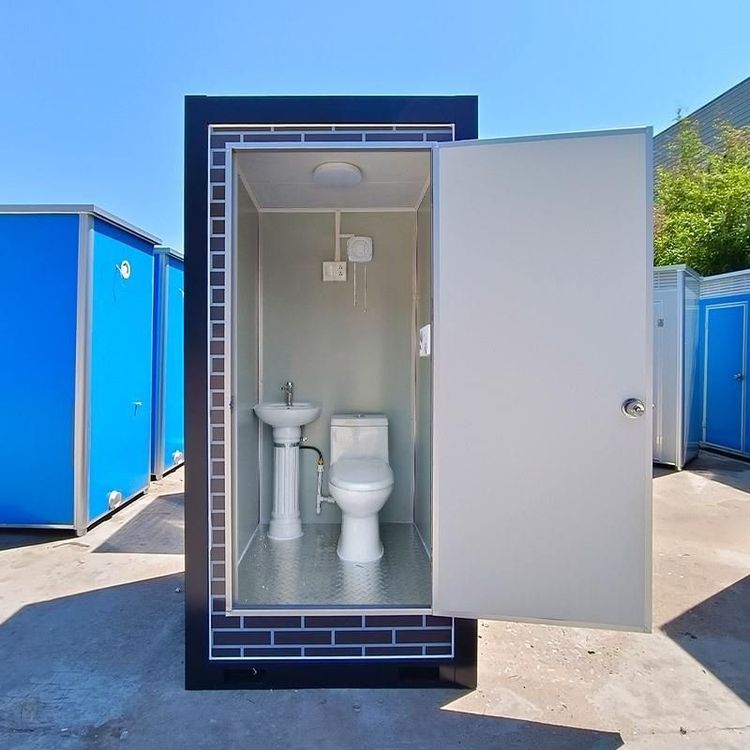
- Construction Sites: Regulations mandate the installation of mobile toilets at construction sites, making them a core source of income. For example, Daniel Tom's company, through a long-term rental model, generates $60 per toilet per week with twice-weekly cleaning, resulting in a total revenue of approximately $7,800 per toilet over a two-and-a-half-year project cycle. Currently, the company rents out nearly 2,000 toilets across more than 1,500 construction sites in the Bay Area, demonstrating significant economies of scale.
- Cultural and Tourism Events: Large-scale events such as music festivals and sports competitions see a surge in demand for mobile toilets during peak seasons, allowing rental prices to be marked up by 20%-50%, further boosting profits.
- Municipal Emergencies: Government procurement for emergency scenarios like natural disasters and public health events provides stable orders. For instance, some cities increased the number of mobile toilets during the pandemic to alleviate pressure on public facilities.
Industry Growth Drivers
- Policy Support: China's 'Toilet Revolution' promotes the upgrading of urban and rural public toilets, while regulations mandating mobile toilets at construction sites (such as OSHA standards) have been in place in European and American countries for years, directly expanding market demand.
- Industry Trends: Rising environmental requirements are driving the phase-out of traditional dry toilets, with smart mobile toilets (equipped with deodorization and sterilization functions) emerging as new growth points. Additionally, modular design reduces transportation costs and improves operational efficiency.
Operational Challenges and Costs
- Core Resource Investment: The need for fecal sludge removal vehicles, environmental protection treatment equipment, and a professional operation and maintenance team is essential. For example, fecal sludge must be regularly transported to sewage treatment plants, with a single removal costing approximately $50-$100.
- Initial Capital Threshold: Procuring vehicles (such as suction trucks) and toilet units (costing approximately $3,000-$5,000 each) requires an investment of around $250,000, posing significant financial pressure.
- Compliance Risks: Compliance with environmental regulations (such as fecal sludge treatment standards) and health permits is necessary; failure to do so may result in fines or business suspension.
Conclusion
The mobile toilet truck industry is characterized by strong demand and a stable market. Profitability can be achieved through diversified rental scenarios and policy dividends, but challenges related to capital, operation and maintenance, and compliance must be addressed. For companies with resource integration capabilities, structural opportunities still exist in this field.
Related