Mobile Toilet
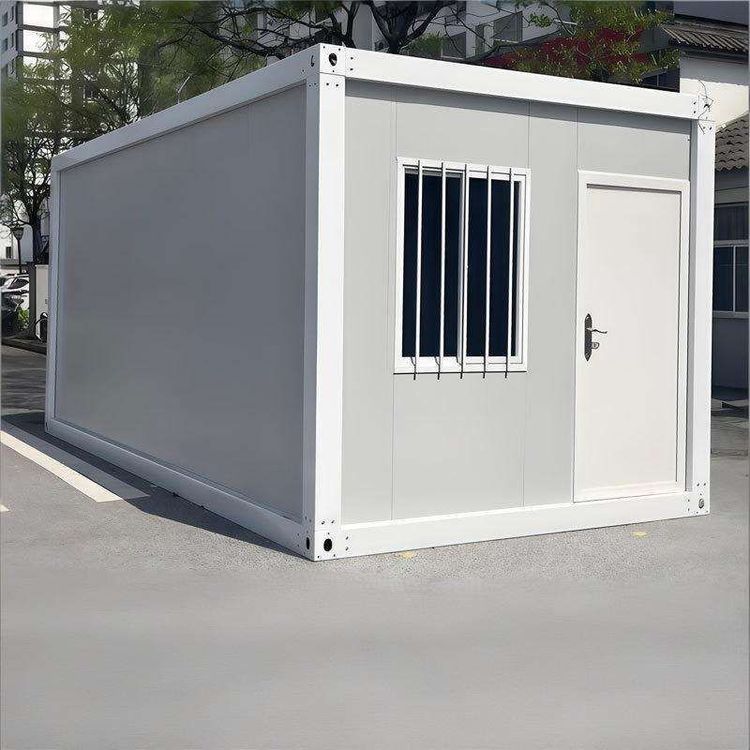
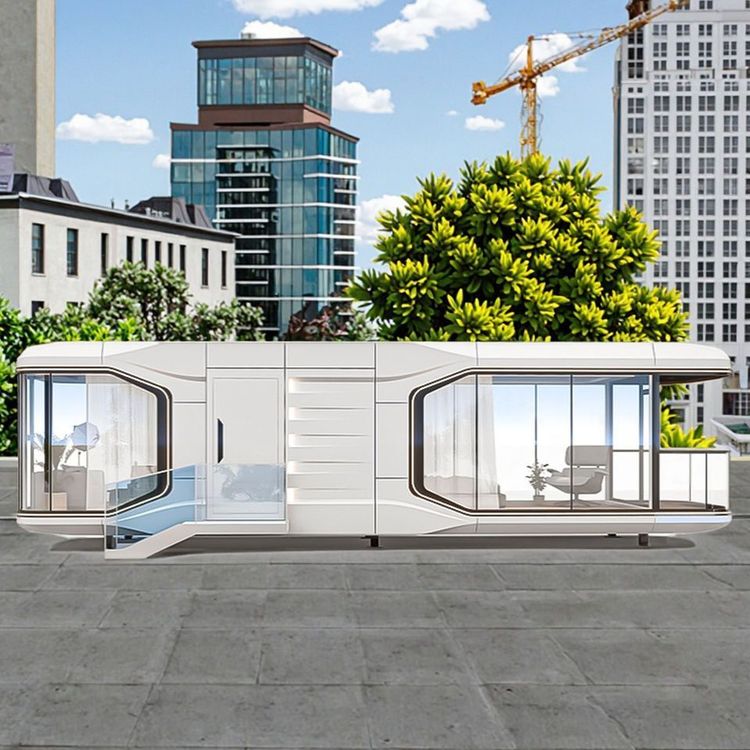
A mobile toilet is a facility that can be moved as a whole and provides toilet services to the public, suitable for both fixed and temporary locations.
I. Basic Composition Mobile toilets typically consist of fecal sewage storage tanks (or disposal units), floor slabs, sanitary ware, walls, washing equipment, water tanks, roofs, and mobile devices. Their core functional modules include an excreta collection system (such as sewage storage tanks and dry-packing devices), a water supply system (water tanks or circulating water devices), and a structural support system (walls, roofs, etc.). Some high-end models are also equipped with ventilation, lighting, and disinfection equipment.
II. Classification Methods
- By structural form: They are divided into single-unit structures (independent units) and composite structures (multi-unit combinations). The latter can expand functional areas (such as management rooms and barrier-free toilets) through modular design.
- By mobility method: They include lifting and handling types (requiring lifting equipment), powered towing types (tractable for movement), and manual handling types (lightweight design).
- By sewage treatment method:
- Water-flush type: Relies on water tank supply for flushing and requires regular sewage removal.
- Waterless suction type: Uses a vacuum pump to suction excreta into sewage storage tanks.
- Circulating water-flush type: Adopts biodegradation or membrane filtration technology to treat sewage, enabling water resource recycling.
- Dry-packing type: Uses degradable bags to collect excreta, requiring no water source and suitable for water-scarce environments.
III. Core Advantages
- Mobility: They can be quickly deployed to temporary events (such as exhibitions and music festivals), disaster relief sites, or construction sites, avoiding the waste of resources from demolishing fixed toilets.
- Flexible treatment methods: Technical routes can be selected according to environmental constraints. For example, scenic spots adopt circulating water-flush types to reduce pollution, while remote areas use dry-packing types to reduce infrastructure costs.
- High space efficiency: They occupy only one-third to one-half of the area of traditional toilets and can further save land through three-dimensional design (such as double-story structures).
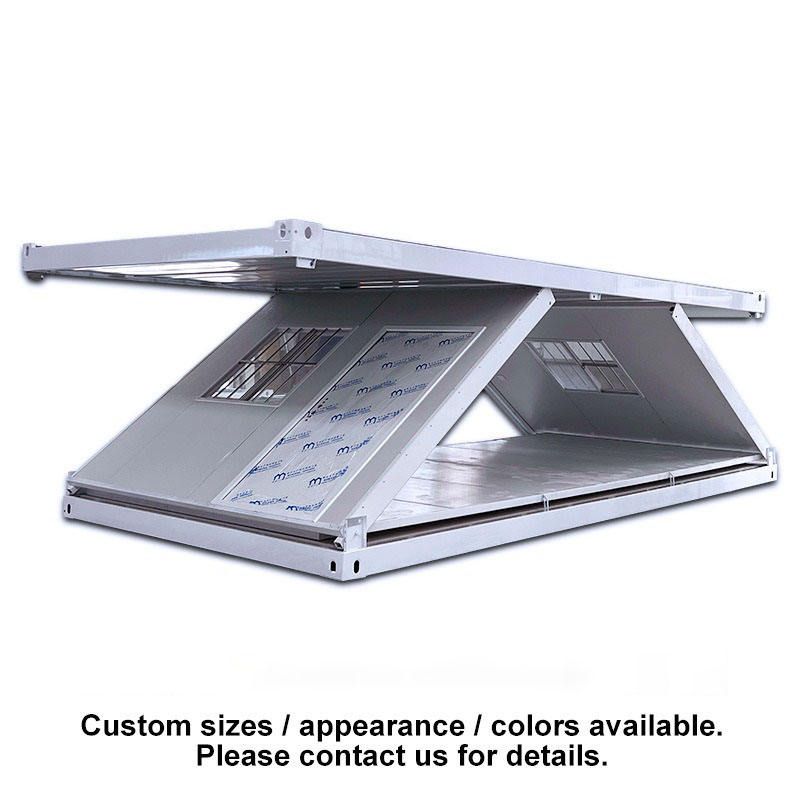
- Industrial production: Prefabricated in factories, they have a short on-site assembly period (usually 1-2 days), with controllable quality and customizable appearance.
IV. Market Price Reference Market prices vary significantly depending on the configuration: Basic models (such as simple color-steel toilets) cost about 2300-2500 yuan; mid-range models (with sewage storage tanks and toilet seats) cost about 3100-3800 yuan; high-end models (with eco-friendly materials and circulating water systems) can exceed 4800 yuan. Price fluctuations are mainly influenced by materials (steel structure/plastic), sewage treatment technology, and additional features (such as air conditioning and smart sensors).