
Back to blog
Article
Mobile Toilet
Admin September 28, 2026
Mobile toilets are facilities that can be moved as a whole and provide public toilet services. They can be flexibly deployed in fixed or temporary locations according to needs.
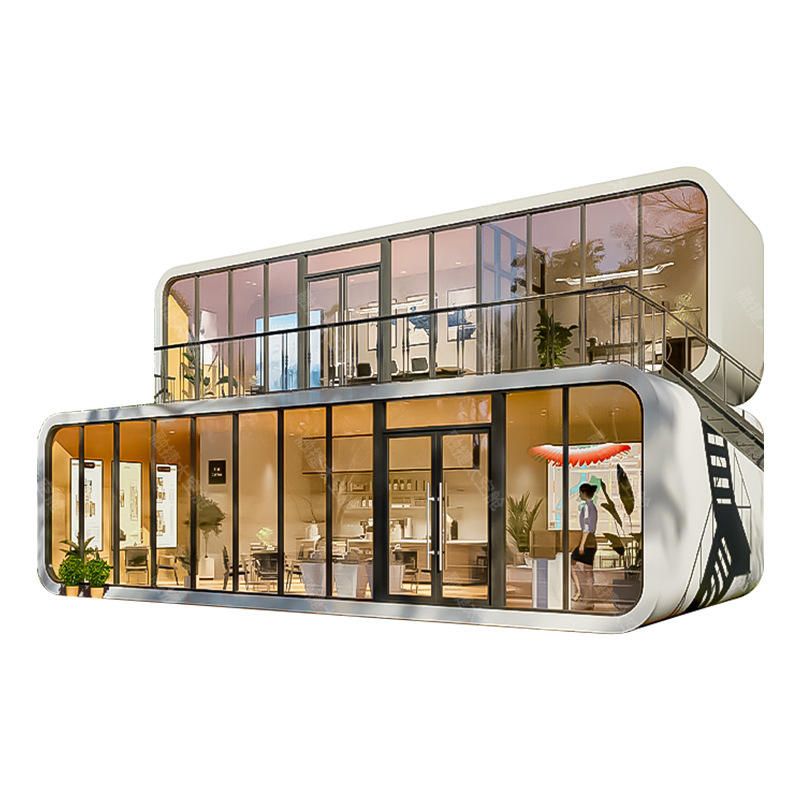
I. Basic Composition Mobile toilets typically consist of fecal sewage storage tanks (or disposal units), floor slabs, sanitary fixtures, walls, washing equipment, water tanks, roofs, and mobile devices. Early models used wood as the material, which had issues such as simple construction and easy absorption of odors. Modern products mostly use lightweight and durable materials like fiberglass and polyethylene, improving sealing and corrosion resistance.
II. Classification Methods
- By structural form: They are divided into single-unit structures (independent units) and composite structures (multi-unit combinations), with the latter being expandable into multiple toilet stalls or additional management rooms.
- By mobility method: They include lifting/handling types (requiring mechanical assistance) and powered/trailer types (with their own power or being towable by vehicles), adapting to different transportation scenarios.
- By sewage treatment method:
- Water-flush and waterless suction types: They rely on a water source for flushing, with sewage requiring regular pumping; waterless types reduce water usage through vacuum suction.
- Recirculating water-flush types: Equipped with sewage treatment systems, they achieve water resource recycling and reduce discharge pressure.
- Dry-pack types: They use biodegradable bags to collect feces, requiring no water flushing, and are suitable for water-scarce areas.
III. Core Advantages
- Flexible deployment: They can be quickly transported to areas where fixed public toilets are difficult to cover (such as scenic spots and construction sites), making up for layout deficiencies. For example, in 2023, the Lanzhou Yellow River Scenic Line alleviated tourists' toilet difficulties by deploying mobile toilets.
- Reusability: The materials are highly durable, allowing for multiple disassemblies and assemblies, reducing long-term costs.
- Functional adaptability: Foldable toilets, when collapsed, are only 90 centimeters high and can be transported by pickup trucks, meeting temporary needs at event sites and remote areas.
IV. Design Principles
- Lightweight and sturdy: Lightweight materials (such as aluminum alloy frames) are used to reduce weight while ensuring structural stability.
- Environmental friendliness: Priority is given to recyclable materials to reduce pollution; sewage treatment types must meet discharge standards.
- Humanization: Height and width are controlled to accommodate different people, and mobile devices must be complete and reasonable (such as adjustable feet to adapt to uneven ground).
Related



