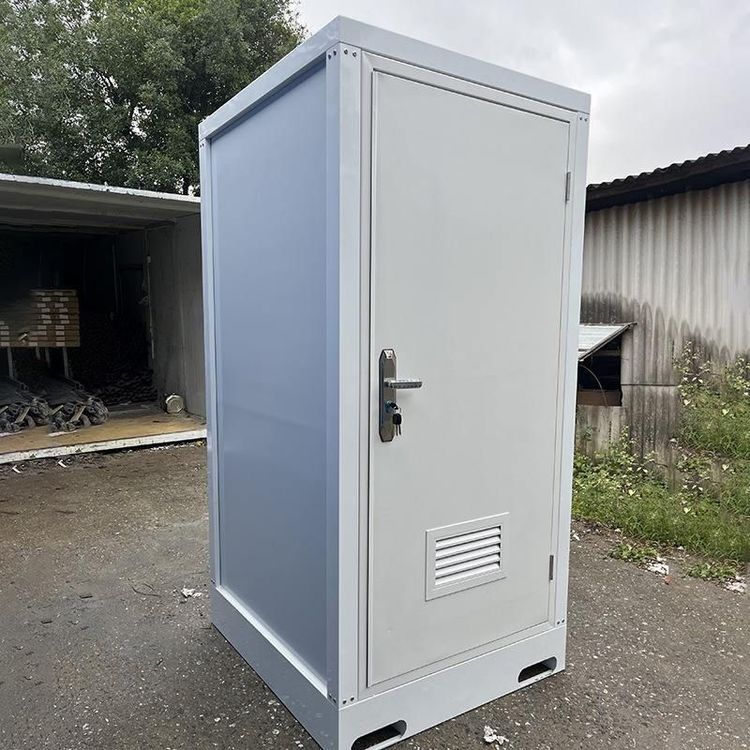
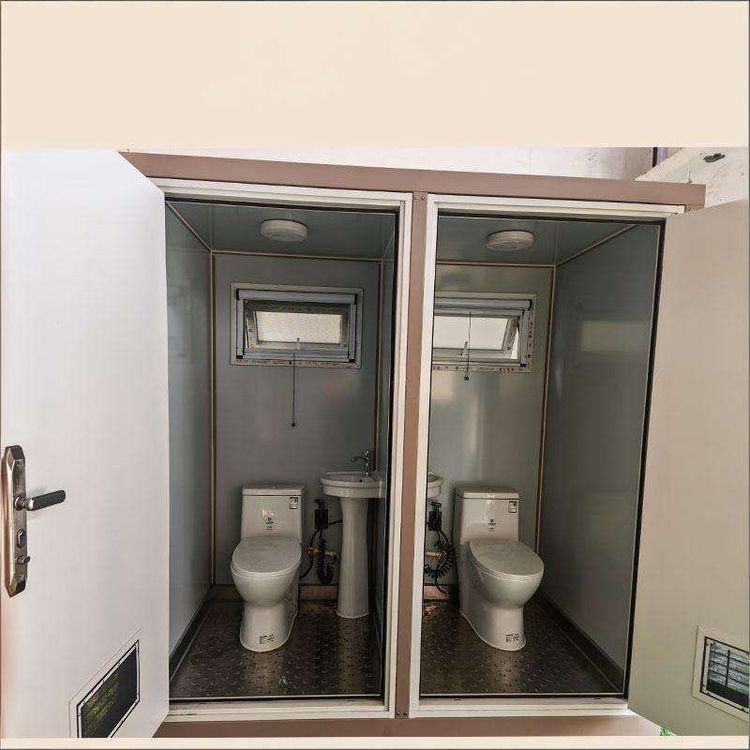
Mobile Toilet: Super Fake and Bad
Mobile toilets described as 'super fake and bad' typically refer to products with poor quality and unsatisfactory user experience. However, there are also high-quality design examples in the industry, with technological differences leading to divergent reputations.

Typical Problems with Poor-Quality Mobile Toilets
Mobile toilets labeled as 'super fake and bad' often suffer from quality defects due to cost-cutting measures. Common issues include:
- Poor Hygiene Conditions: Inadequate sealing leads to leakage of waste and severe odor diffusion; low frequency of cleaning and maintenance results in residual stains inside, which are prone to bacterial growth.
- Frequent Facility Failures: Blocked or malfunctioning flushing systems, broken door locks, and missing lighting affect basic usability.
- Low Durability: Poor-quality materials (such as thin steel plates and low-density plastics) are prone to corrosion and deformation, resulting in a short service life and increased replacement costs.
- Poor Environmental Adaptability: Lack of windproof, rainproof, and heat-insulating designs renders them unusable in extreme weather conditions and even poses safety hazards.
Design Advantages of High-Quality Mobile Toilets
Taking the rct-094 mobile toilet as an example, advanced design can significantly enhance the user experience:
- Modular Structure: Utilizes a high-strength mobile chassis that supports rapid deployment and relocation, making it suitable for outdoor tourism, construction sites, and other scenarios.
- Environmental Protection Technology: Equipped with a water-saving flushing system (using less than 50% of the water compared to traditional toilets) and a sealed waste treatment device to reduce pollution emissions.
- Human-Centered Design: Reasonable division of internal functional areas, optimized ventilation system for effective odor control; the exterior mimics natural landscapes to reduce visual intrusiveness.
- Economical Efficiency: Low long-term maintenance costs, low failure rates, and reusability make it suitable for short-term needs such as temporary markets and festival events.
Reasons for Divergent Industry Reputations
The mobile toilet market exhibits a polarized phenomenon:
- Insufficient Technological Depth: Some companies lack core R&D capabilities, resulting in severe product homogenization and difficulty in meeting diverse scenario demands.
- Weak Scenario Adaptability: Failure to optimize designs for different environments (such as cold regions and deserts) leads to shortened equipment lifespans or functional failures.
- Lack of Ecosystem Construction: Imperfect after-sales service systems and slow maintenance responses result in high long-term usage costs for users, affecting reputation.
Conclusion: The quality differences in mobile toilets stem from technological investment and design philosophies. When selecting, attention should be paid to sealing, environmental protection technologies, and after-sales support to avoid long-term issues caused by purchasing low-priced, poor-quality products.