
Structure of Mobile Toilets in Shelter Containers
The structure of mobile toilets in shelter containers encompasses core construction, type classification, and material characteristics, among other aspects.
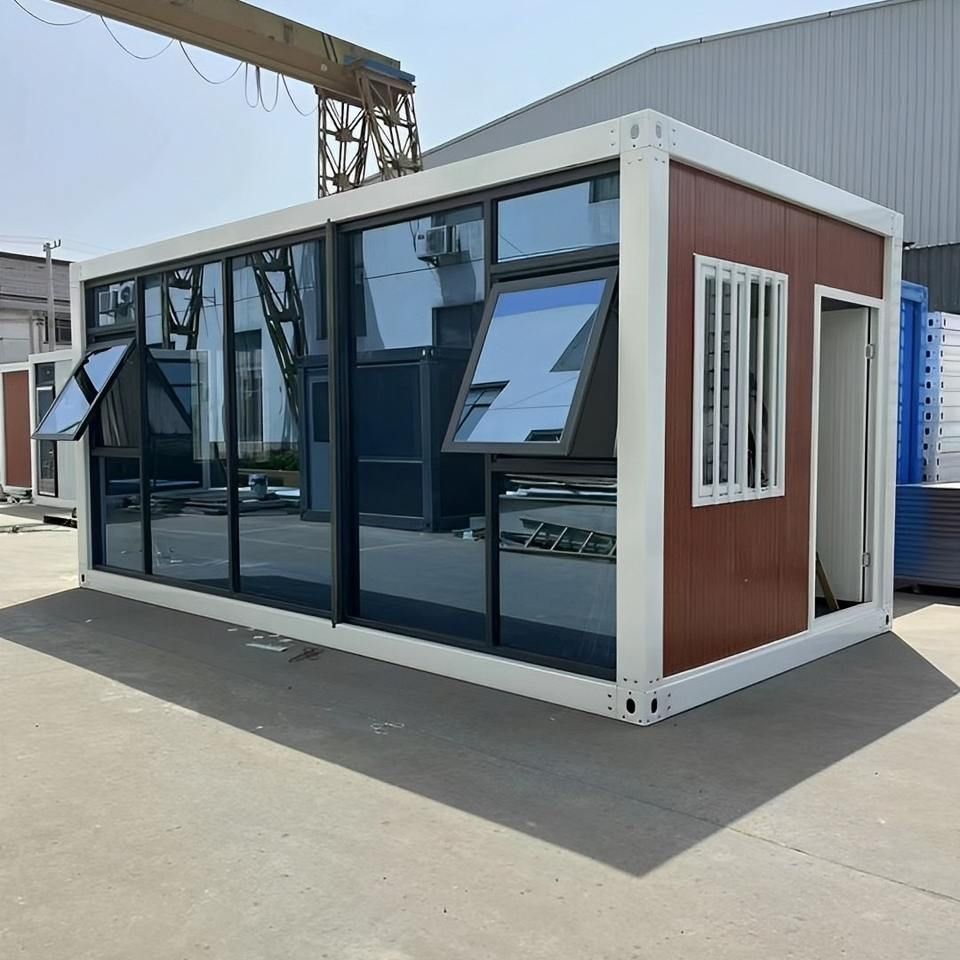
Core Construction
The core structure of mobile toilets in shelter containers includes a box frame, typically made of metal or high-strength plastic, providing stable support for the entire unit. Removable partitions allow for flexible adjustment of the spatial layout according to needs. A water storage tank is used to store flushing water, with flushing systems available in both electric and foot-operated types to meet different usage habits in various scenarios. The sewage pipe interface is responsible for discharging waste, ensuring cleanliness inside the toilet. Additionally, many shelter toilets are equipped with exhaust fans and ultraviolet disinfection lamps. The exhaust fans can promptly expel odors, maintaining fresh air, while the ultraviolet disinfection lamps effectively kill bacteria and viruses, reducing the risk of cross-infection.
Type Classification
From the perspective of structural form and functional configuration, mobile toilets in shelter containers can be classified into several types. Integrated modular toilets are commonly used in large shelter hospitals, typically featuring separate male and female toilet compartments as well as accessible compartments for the disabled, along with independent handwashing stations and ventilation ducts. They can be transported as a whole through lifting, offering convenience and speed. Mobile trailer-mounted toilets are often used in post-disaster resettlement sites or wilderness camps. They have a chassis with wheels and can be towed by vehicles. Although their internal space is relatively compact, they are equipped with complete power supply, water supply, and sewage systems to meet basic usage needs. Simple assembled toilets are suitable for short-term emergency needs. They are quickly assembled from individual lightweight partitions and generally do not have a flushing function. Instead, they use packing bags or biodegradable methods to handle waste, offering simple operation and rapid setup.
Material Characteristics
In terms of materials and structure, mobile toilets in shelter containers generally use steel structures as the main frame to ensure sufficient stability and durability. The exterior wall materials can be selected from galvanized steel sheets, stainless steel sheets, aluminum sheets, or metal carved panels, among others, which are corrosion-resistant and easy to clean. Internally, rock wool or polyurethane is commonly used for thermal insulation, effectively regulating indoor temperature. The floor is usually laid with anti-slip flooring and paired with a waterproof layer to prevent slipping and water leakage. Doors and windows often adopt aluminum alloy profiles with insulated tempered glass, ensuring both light transmission and enhanced safety.
You may also like

Portable Toilet Used in 2026: Buying Guide & Recommendations
Read More
Portable Toilet Custom Explained: How to Choose the Right One
Read More
Top Portable Toilet Smart Manufacturers: How to Choose a Factory Partner
Read More