
Mobile Toilet Staffing Standards
The staffing standards for mobile toilets vary depending on the usage scenario, scale, and duration of use, requiring flexible adjustments based on specific needs.
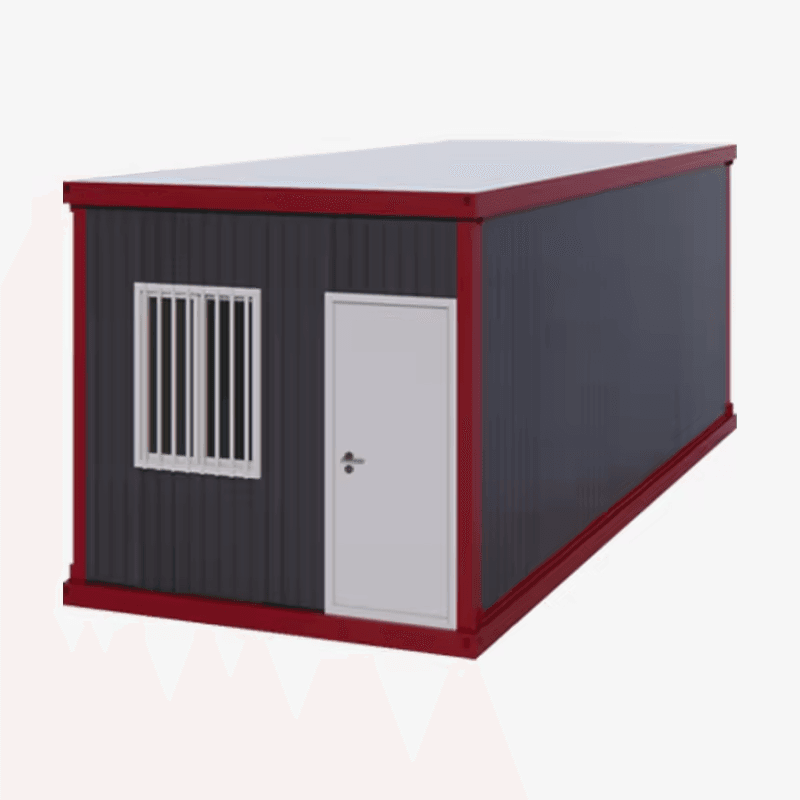
I. Classification by Event Scale
Small Events (Under 100 people)
Suitable for community events, small gatherings, etc. It is recommended to configure 1-2 mobile toilets per 50 people:- Under 50 people: One single-occupancy toilet will suffice;
- 50-100 people: Two single-occupancy or one double-occupancy toilet, with one spare toilet reserved for emergencies (such as equipment failure or a sudden increase in the number of people).
Medium-sized Events (100-500 people)
Suitable for corporate annual meetings, small exhibitions, etc. Configure 2-3 toilets per 100 people, paying attention to gender ratios and functional requirements:- For a 200-person event: It is recommended to have two double-occupancy and one single-occupancy toilet;
- For events with over 300 people: Increase to 4-5 toilet stalls, with a recommended gender ratio of 1:1.5, and include one accessible toilet to meet the needs of special groups.
Large Events (Over 500 people)
Suitable for music festivals, sports events, and other large-scale scenarios. Configure 3-5 mobile toilets per 100 people and strengthen service capacity during peak hours:- For a 1000-person event: It is recommended to have three double-occupancy, three single-occupancy, and one accessible toilet;
- During peak hours: Additional temporary handwashing stations or mobile toilets can be added to avoid long queues.
II. Configuration Standards for Special Scenarios
Long-term Usage Scenarios
- Construction sites, scenic spots: Configure one toilet per 30-50 people, with a 10% reserve to cope with equipment failure or a temporary increase in the number of people;
- Campsites: It is recommended to configure one toilet per 20 people, and adding shower rooms can enhance the user experience.
Logistics Parks and Freight Stations
Configure 2-3 toilet stalls per 100 staff members, taking into account the impact of staff shift systems on toilet usage frequency.Enterprises and Institutions
Configure toilet stalls at a ratio of 1:15-1:20 based on the number of personnel, optimizing the layout in conjunction with the distribution of office areas and peak usage times (such as during commutes and meetings).
III. Basic Configuration Standards (Classified by Rows)
Men's Toilets
- Under 100 people: Set up one row per 25 people;
- Over 100 people: Add one row for every additional 50 people, adjusting the ratio of urinals to squat stalls according to actual needs.
Women's Toilets
- Under 100 people: Set up one row per 15 people;
- Over 100 people: Add one row for every additional 30 people, prioritizing the number of squat stalls to reduce queuing times.
Core Principles of Configuration: Based on actual pedestrian traffic, take into account gender differences, the needs of special groups, and service capacity during peak hours. Improve usage efficiency by reserving spare quantities and making flexible additions.



