How Mobile Toilets Solve Problems
Mobile toilets effectively address the challenge of temporary restroom needs through features such as mobility, diverse treatment methods, small footprint, modular design, rapid assembly and disassembly, convenient transportation, and easy maintenance.

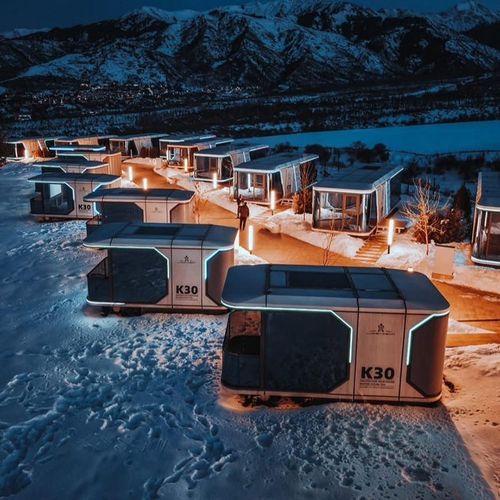
Mobility: The core advantage of mobile toilets lies in their flexibility, enabling quick adjustments to location based on site requirements. For example, during peak tourist seasons in Dalian, mobile public restrooms are deployed to areas with high foot traffic. In the 2026 May Day holiday at the Jinci Scenic Area in Shanxi, a mobile men's restroom converted from a bus and the functional conversion of fixed restrooms significantly increased the daily reception capacity. This dynamic allocation avoids resource waste caused by site changes in fixed restrooms and is particularly suitable for temporary events and disaster relief scenarios.
Diverse Treatment Methods: Mobile toilets can select different treatment technologies based on the usage environment. For instance, in areas without sewage networks, packing or biodegradation technologies can be used to treat waste. In locations with infrastructure, they can be connected to municipal sewage systems for immediate discharge. This adaptability allows them to cover a wide range of scenarios from remote mountainous areas to urban centers.
Small Footprint: Compared to traditional fixed restrooms, a single mobile toilet stall typically occupies less than 2 square meters and does not require reserved construction space. Modular design further optimizes space utilization. For example, a large 20-stall combination can achieve high-density layout through vertical stacking, making it ideal for urban areas with limited land resources or temporary event sites.
Modular Design and Rapid Deployment: Lightweight design (200-500kg per unit) supports direct lifting by forklifts or cranes without the need for foundation construction. Standard models can be installed within 2 hours and removed and transported within 1 day after the event. For short-term events like music festivals, the number of toilet stalls can be quickly adjusted to match foot traffic changes, avoiding resource idleness.
Convenient Transportation: Foldable frame design reduces transportation volume to 40% of the original size, enabling nationwide coverage through logistics or dedicated vehicle delivery. This feature allows for rapid response to cross-regional emergency needs, such as temporary restroom support in earthquake-stricken areas or large-scale events.
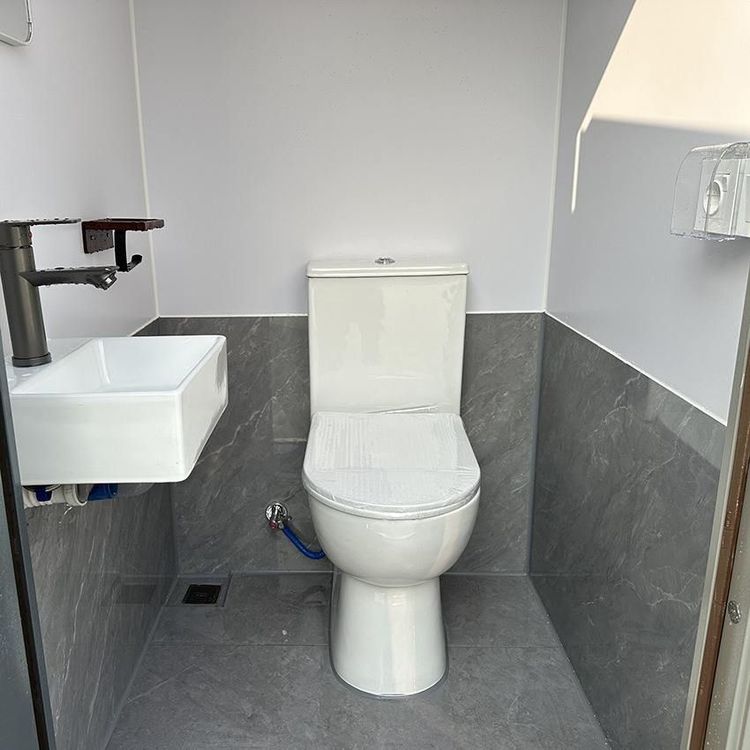
Easy Maintenance: Integrated molding technology combined with waterproof sealant treatment effectively prevents sewage leakage. The squatting design with anti-slip floors reduces cleaning difficulty, requiring only water for daily maintenance. Some products incorporate intelligent monitoring systems that provide real-time feedback on water level, battery status, and other data through sensors. Automatic alerts are issued when the waste storage tank approaches capacity, preventing secondary pollution. These designs significantly reduce operational costs and enhance the user experience.