Mobile Toilet Solution Text
The construction plan for mobile toilets needs to be formulated based on specific scenarios and requirements, covering key aspects such as site selection, design, construction process, quality control, and safe and civilized construction. The following provides an explanation from different dimensions:

Site Selection and Layout
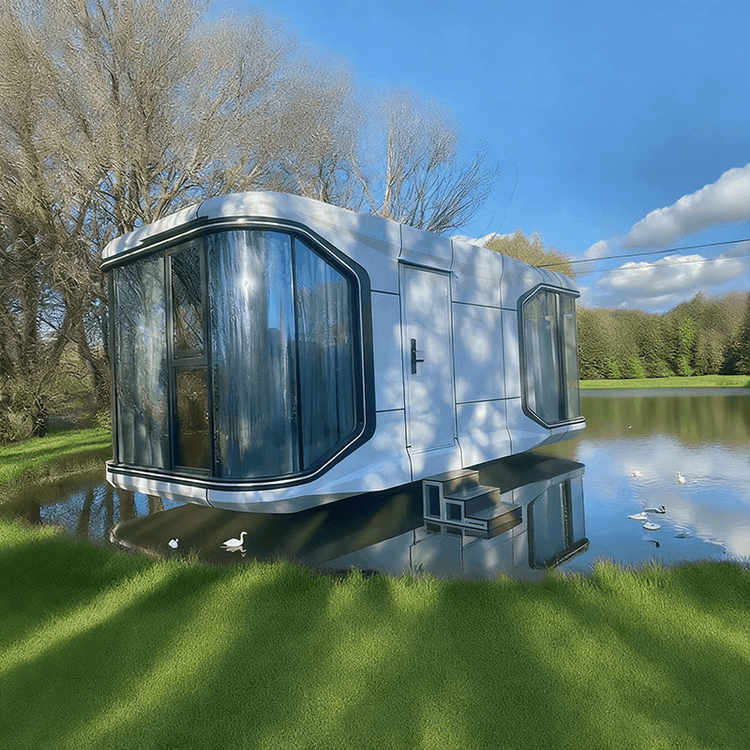
The location should be determined in combination with the usage scenario. For example, on construction sites, mobile toilets should be preferably placed on the inner side of the living area, 30-50 meters away from dormitories and canteens, avoiding the prevailing summer wind direction and high-risk work areas. For outdoor event venues, they should be close to areas where people gather while being far from water source protection zones. Before site selection, geological surveys should be conducted to confirm that there are no underground pipelines buried, and underground pipeline maps should be consulted if necessary. If the site requires repeated relocation, prefabricated reinforced concrete slabs or steel roadbed boxes can be used as foundations for quick disassembly and assembly.
Design and Material Selection
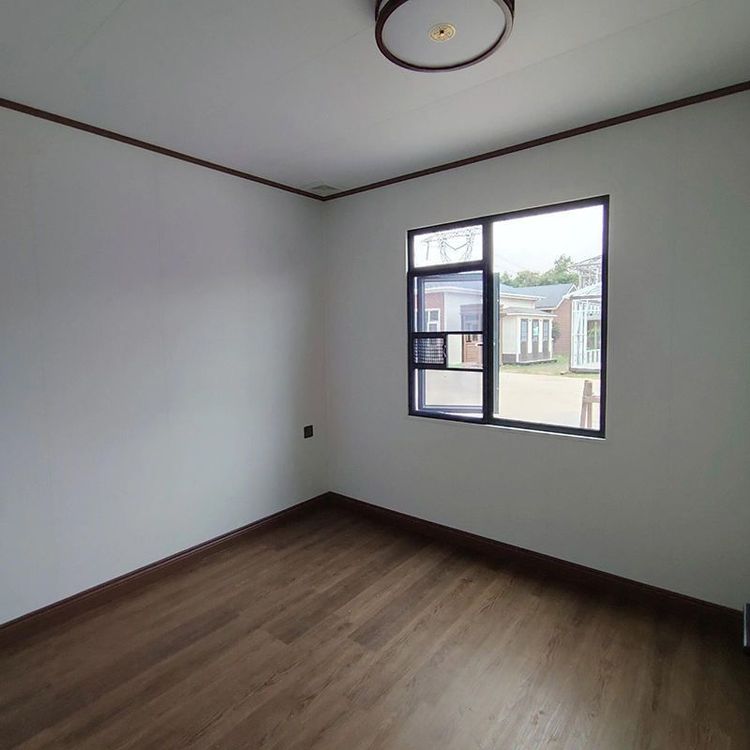
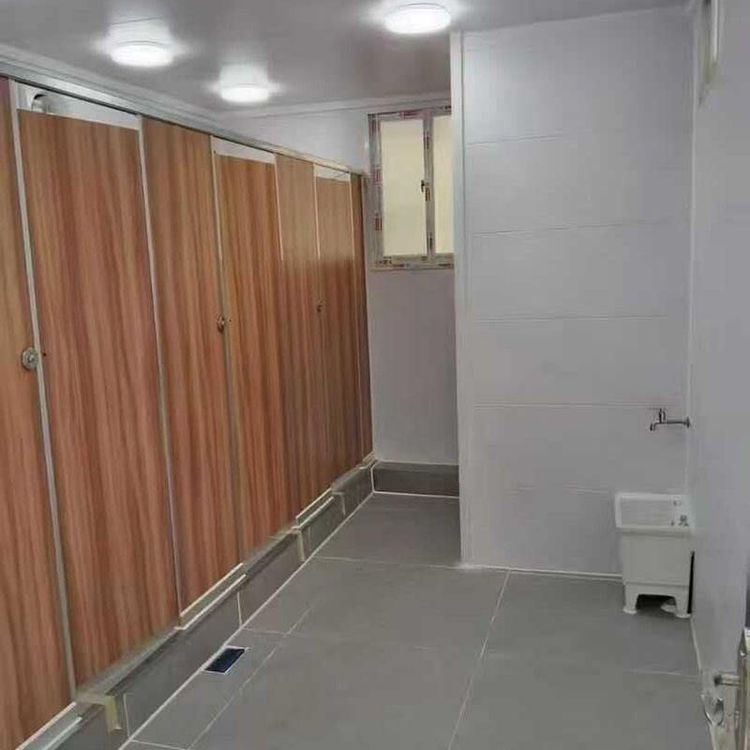
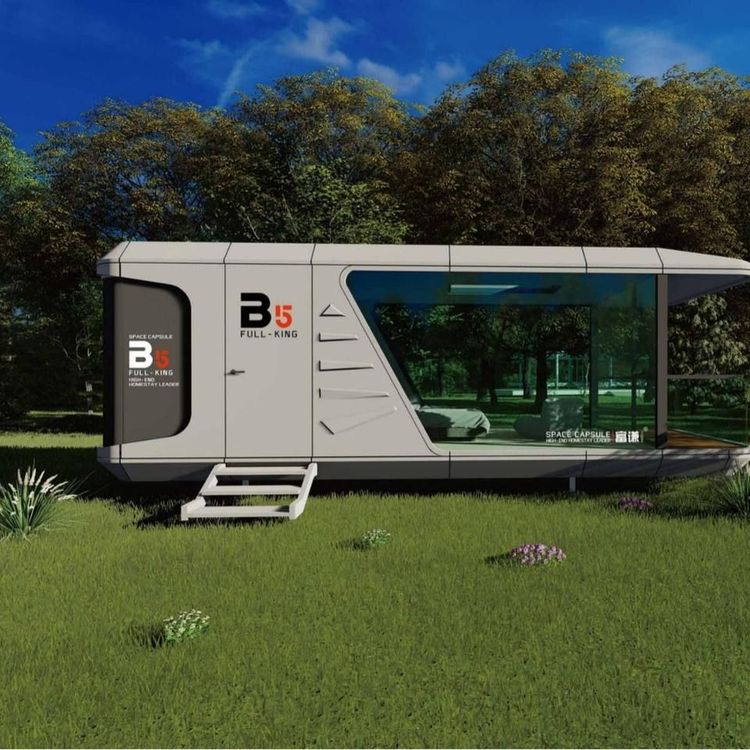
The design should meet functional requirements and regulatory standards. In urban core areas or scenic spots, modular lightweight steel structures can be adopted, with each unit covering an area of 12-20 square meters, including independent toilet stalls, accessible restrooms, and a management room. The ratio of female to male toilet stalls should be no less than 2:1. In terms of materials, lightweight steel frames or high-density polyethylene (HDPE) wall panels are recommended for the main structure, with rock wool insulation layers filled in the walls and metal carved panels for exterior decoration. The floor should be laid with anti-slip tiles (with a slip resistance coefficient ≥ 0.8), and the roof should be equipped with SBS waterproof membranes and insulation layers. The water and electricity systems should be equipped with water-saving flushing devices (with a flush volume ≤ 6L/time), sensor-activated lighting, and ventilation devices. Sewage disposal can be achieved through biodegradation treatment or connection to municipal sewage networks.
Construction Process and Quality Control
Construction is divided into three stages: foundation treatment, main structure installation, and equipment commissioning.
- Foundation Construction: After clearing surface debris, the soil surface should be compacted, and a C20 concrete cushion (with a thickness of 10-15 centimeters) should be poured, with a drainage slope of 2%-3% reserved. If prefabricated slabs are used, they should be locked tightly with connecting fasteners.
- Main Structure Installation: After being positioned and leveled with a crane, the frame should be welded with control over the weld leg height (≥ 6mm) and coated with anti-rust paint. During wall assembly, slots for electrical pipelines should be reserved, and ventilation ducts should be installed.
- Equipment Commissioning: The sealing of water supply and drainage pipelines should be checked, and the operating status of lighting and ventilation systems should be tested to ensure that accessible facilities (such as handrails and emergency call buttons) function properly.
Quality control requires strict acceptance of materials (such as ensuring that the tensile strength of steel structures is ≥ 345MPa), and during construction, welding quality, concrete strength, and equipment installation accuracy (with an error ≤ 5mm) should be inspected in accordance with regulations.
Safety and Environmental Protection Measures
During construction, safety warning signs should be set up, and special plans should be formulated for high-risk operations such as working at heights and electrical welding. Civilized construction requires maintaining a clean site and clearing construction waste daily. In terms of environmental protection, mobile toilets should adopt anti-odor water seal designs, and their sewage disposal systems should comply with the "Hygiene Standards for Public Toilets" (GB15982-2019) to avoid polluting the soil and groundwater.