Mobile Toilet and Skin Cleaning
Mobile toilets do not directly clean the user's skin, but in their usage scenarios, there are specific requirements for the cleaning and care of the user's skin, and corresponding cleaning standards for mobile toilets and related auxiliary tools.
User Skin Cleaning and Care
When caring for orthopedic patients or others using mobile toilets or similar auxiliary tools, cleaning the skin is an important step. After defecation, it is necessary to immediately wash the perineum, buttocks, and surrounding skin with warm water, gently to avoid skin abrasion. Since the skin in these areas is relatively delicate and feces may contain irritating substances, failure to clean promptly or excessive force during cleaning can easily damage the skin. After cleaning, use a soft cloth to blot dry and keep the skin dry to prevent dermatitis, pressure sores, and other issues caused by skin moisture or fecal residue.
For long-term bedridden patients using mobile toilet-related auxiliary tools, they need to be turned over every 2 hours, and after defecation, check whether the skin at bony prominences (such as the sacrococcygeal and hip areas) is red or damaged. These areas are more prone to skin problems due to prolonged pressure and poor blood circulation. Timely inspection and care can effectively prevent the occurrence of pressure sores.
Cleaning of Mobile Toilets and Related Auxiliary Tools
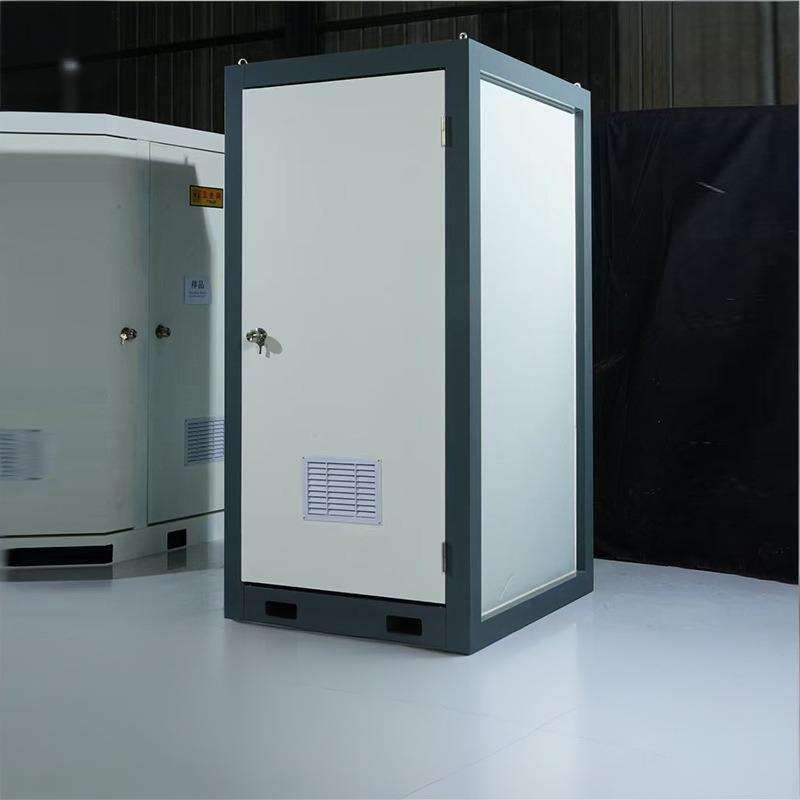
The interior of mobile toilets is cleaned to ensure a hygienic environment. The surface of the toilet bowl often features an antibacterial coating to inhibit microbial growth. Feces are collected in sealed storage tanks, and some models are equipped with biodegradable agents to accelerate the decomposition of organic matter. During regular collection and transportation, specialized vehicles transport the fecal waste to treatment stations for conversion and utilization.
When it comes to cleaning auxiliary tools such as mobile commodes, it is necessary to promptly clean surface dirt after each use. They can be rinsed with water or wiped with a damp cloth. For stubborn stains, neutral detergents or soapy water can be used. The commode bucket should be regularly emptied of waste, rinsed with water, and then disinfected with a disinfectant. The seat and lid can be wiped with a damp cloth or sprayed with a mild disinfectant and then wiped dry. Removable seats should be regularly removed for thorough cleaning and then air-dried to prevent bacterial growth.