
Back to blog
Article
Mobile Toilet Site Selection
Admin September 21, 2026
The site selection of mobile toilets should be flexibly adjusted according to their types and scenarios, with core principles including meeting usage demands, ensuring safety, and maintaining environmental harmony.
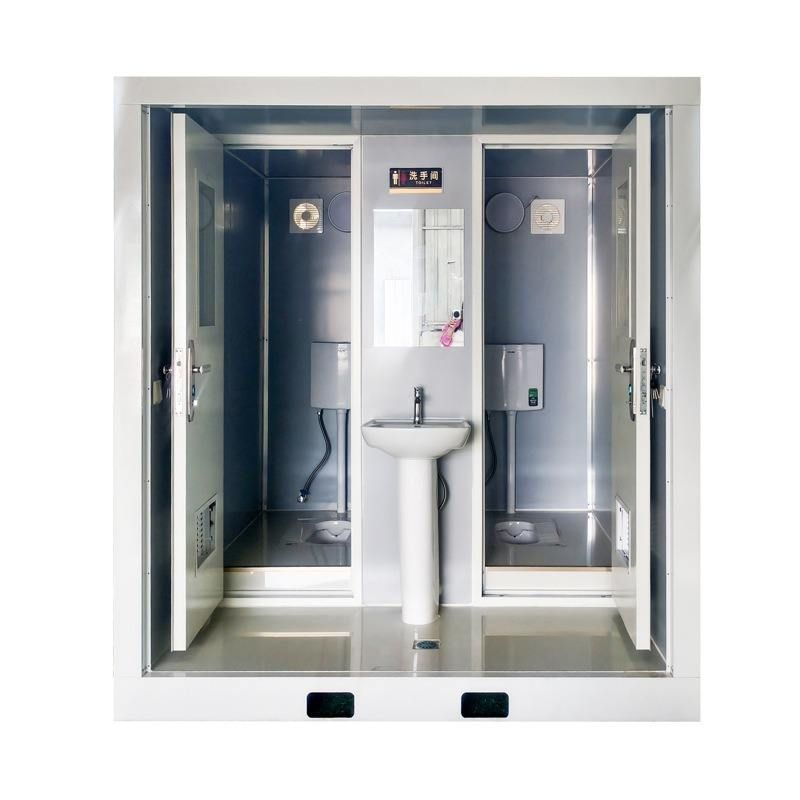
1. Site Selection Requirements for Different Types of Mobile Toilets
- Prefabricated Public Toilets: These employ waterless flushing microbial degradation technology, eliminating the need for sewage pipe networks and offering high flexibility in site selection. In core scenic areas, they can be installed with just hardened ground, and the construction period is short (traditional public toilets require 3 months, while prefabricated ones only need 1 week).
- Mobile Landscape Public Toilets: These require the condition that sewage pipe networks are buried beneath the installation site; otherwise, they cannot be used. Such toilets are typically used in areas with complete municipal infrastructure, and site selection requires prior confirmation of the underground pipe network layout.
2. Site Selection Standards for Typical Scenarios
- Around Large Event Venues: Set up one toilet per 500 people, positioned close to the audience seating or high-traffic areas for quick access.
- Urban Construction Sites: Install within 50 meters outside the construction fence, with clear signage to avoid disrupting construction and facilitate pedestrian use.
- Transportation Hubs: In areas like train stations and bus terminals, set up 1-2 toilets near exits and parking lots based on passenger flow, prioritizing visible locations that do not obstruct traffic.
- Scenic Spots: Deploy one toilet per 1000 square meters, with locations concealed and in harmony with the overall scenic style (e.g., blending into vegetation in natural landscapes or matching architectural styles in cultural areas), while reserving wheelchair access and barrier-free facilities.
- Residential Areas: During the renovation of old residential areas or temporary power/water outages, they can be set up near community squares or main resident entrances, prioritizing flat and well-ventilated areas.
3. General Site Selection Considerations
- Flood Prevention and Drainage: Avoid low-lying flood-prone areas, with the site elevated at least 30 centimeters above the surrounding ground and away from rivers or water accumulation points to prevent rainwater backflow.
- Ventilation and Space: Reserve more than 2 square meters of activity space around the toilet, install exhaust fans or natural ventilation devices to reduce odor accumulation.
- Compliance: Temporary installations must be reported in advance to the local urban management department to avoid occupying fire lanes or affecting the city's appearance; long-term installations must comply with urban planning requirements.
By combining type characteristics, usage scenarios, and safety regulations, a scientific and practical balance can be achieved in the site selection of mobile toilets.



