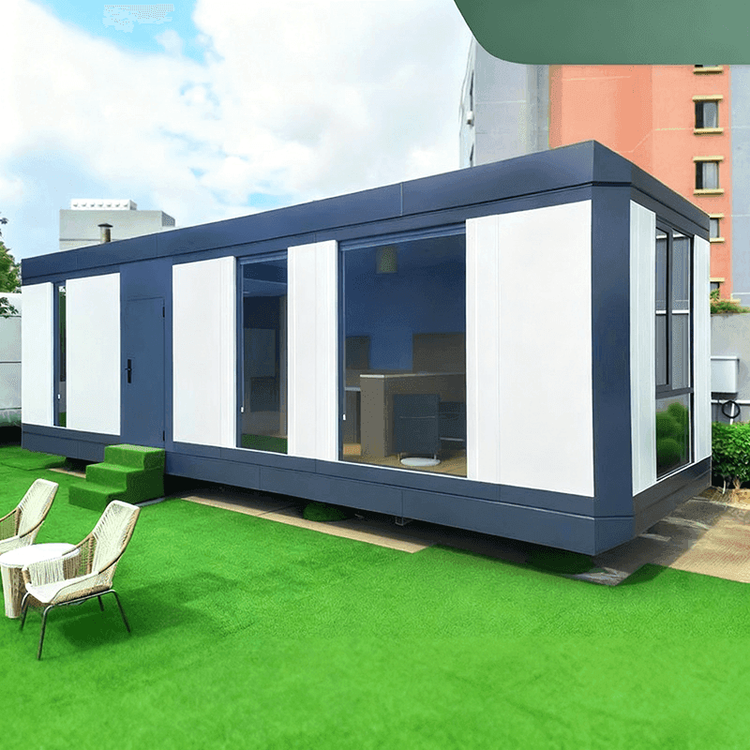
Huzhou Waterless Mobile Toilet
The Huzhou waterless mobile toilet is a sanitation facility based on specific technical principles, featuring mobility and utilizing a leasing model for application. It offers advantages such as water conservation in terms of environmental impact, but strict management is required in the subsequent treatment process.
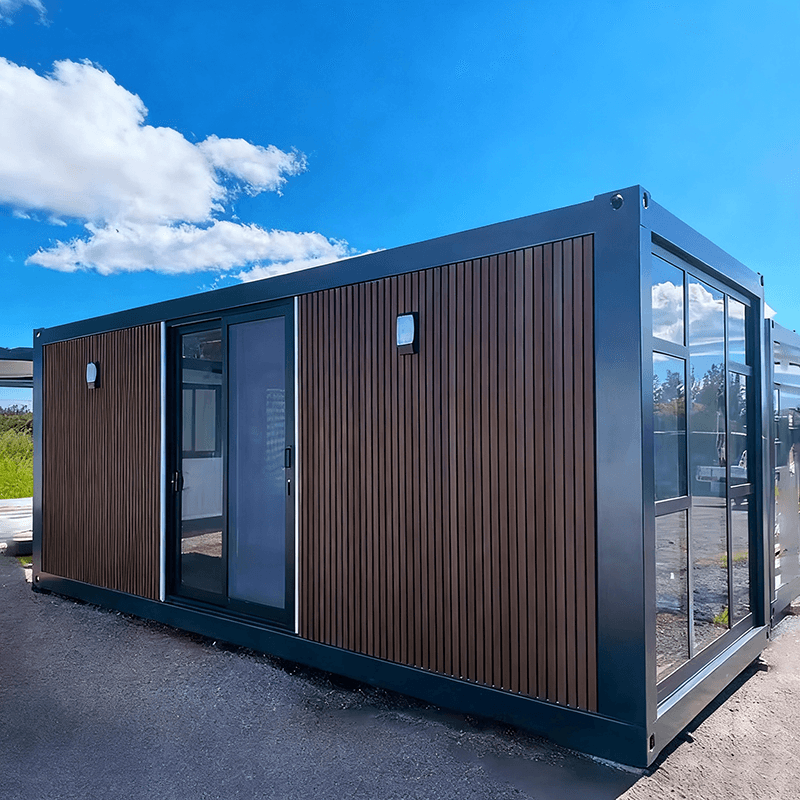
Technical Principles
The waterless mobile toilet differs from the traditional water-flushing sewage discharge model. Its core technology lies in blocking or transforming the moisture in excreta. It integrates multiple mechanisms internally, such as using replaceable sealed collection bags to achieve solid-liquid separation, collecting solids and liquids separately; or utilizing polymer materials to convert liquids into gel-like solids, thereby significantly reducing or even eliminating dependence on water supply networks and sewage discharge pipelines.
Mobility
Its structural design employs lightweight, high-strength composite materials and adopts a modular assembly approach. This design enables it to be rapidly deployed in venues lacking fixed sanitation infrastructure, such as areas in Huzhou hosting large-scale outdoor events, short-term construction projects, or temporary cultural and tourism initiatives. It effectively addresses basic sanitation needs within specific spatial and temporal scopes without requiring complex civil engineering construction and pipeline laying.
Leasing Model
From the perspectives of resource allocation and cost-effectiveness, the leasing model provides practical feasibility for the application of waterless mobile toilets. Demanders do not need to bear the costs of facility research and development, manufacturing, and long-term maintenance. They only need to pay for the usage rights and supporting services during specific periods. Service providers are responsible for the transportation, installation, periodic maintenance and cleaning, consumable replacement, and post-use recovery and disposal of the facilities.
Environmental Impact
The operational model of the waterless mobile toilet has two potential impacts. On the one hand, since it consumes almost no clean water resources and reduces sewage generation to a certain extent, it has a significant advantage in water conservation. On the other hand, the subsequent treatment process is crucial. The collected waste is usually transported to professional treatment sites in a centralized manner, where it may undergo resource utilization, such as using the degraded solid substances for composting or carrying out safe and harmless treatment. Closed-loop management of the entire process is key to evaluating its environmental benefits.