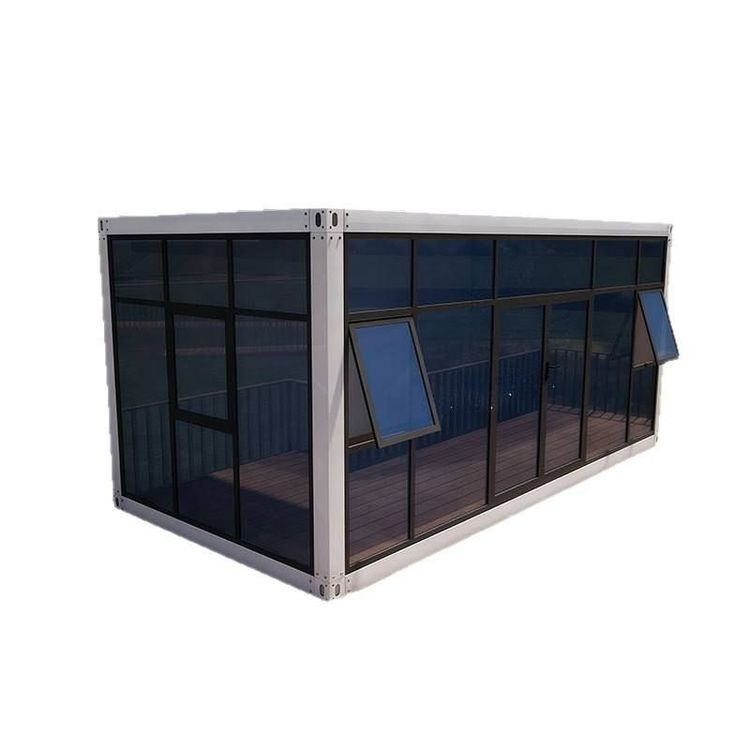
Mobile Toilet Sewerage
The sewerage situation of mobile toilets varies depending on their type and design. Some require connection to water supply and drainage systems, while others do not need traditional water flushing and water supply and drainage systems.

I. Mobile Toilets Requiring Water Supply and Drainage Connections
Water-flushing mobile toilets are a typical type that requires connection to water supply and drainage systems and are commonly found in scenic spots, construction sites, and other locations. These toilets achieve flushing and sewage discharge functions through water supply and drainage systems and are usually equipped with fecal sewage storage tanks or disposal devices. For example, temporary single-unit restrooms used at construction sites can achieve continuous flushing and sewage discharge by connecting to municipal water supply networks and sewage discharge pipelines. Some water-flushing mobile toilets in scenic spots adopt circulating water systems, using treated reclaimed water for flushing to reduce water consumption. Their core characteristic is dependence on external water sources and drainage systems, requiring regular cleaning of storage tanks or connection to municipal networks.
II. Mobile Toilets Not Requiring Water Supply and Drainage Connections
Waterless sanitary toilets use physical, biological, or chemical technologies to replace water flushing functions and are suitable for scenarios without water supply and drainage conditions, such as arid regions, ecological protection zones, and temporary locations. Common types include:
- Mechanical Packing Type: Feces are sealed in biodegradable bags through mechanical devices. The bags are replaced regularly, and no water is required throughout the process.
- Microbial Degradation Type: Microorganisms are used to decompose feces into harmless substances, suitable for long-term use locations.
- Foam Sealing Type: Foaming agents cover the surface of excreta to block odors and reduce water evaporation. Only a small amount of water is required for preparing the foaming solution.
- Vacuum Suction Type: A vacuum pump generates negative pressure to suck excreta into storage tanks, with extremely low water consumption and efficient sewage discharge.
- Chemical Agent Type: Chemical agents are used for disinfection, deodorization, and solidification of feces, suitable for extremely water-scarce environments.
III. Product Labeling and Selection Recommendations
Mobile toilet products on the market usually clearly indicate whether they require water supply and drainage connections. For example, "Packing-type mobile toilets do not require water supply and drainage" are suitable for temporary events or locations without water sources; "Outdoor mobile toilets for construction sites, temporary single-unit restrooms with water supply and drainage connections" are suitable for areas with municipal infrastructure. Selection should be based on a comprehensive consideration of water source conditions, sewage discharge capacity, and environmental protection requirements of the usage scenario. For example, microbial degradation types are preferred in ecological protection zones, while mechanical packing or vacuum suction types can be selected in arid regions.