
Mobile Toilet Sewer Connection
**The methods for connecting mobile toilets to sewers vary depending on the type, mainly including direct connection for water-flush mobile toilets, pumping services, and dry toilet pumping. **
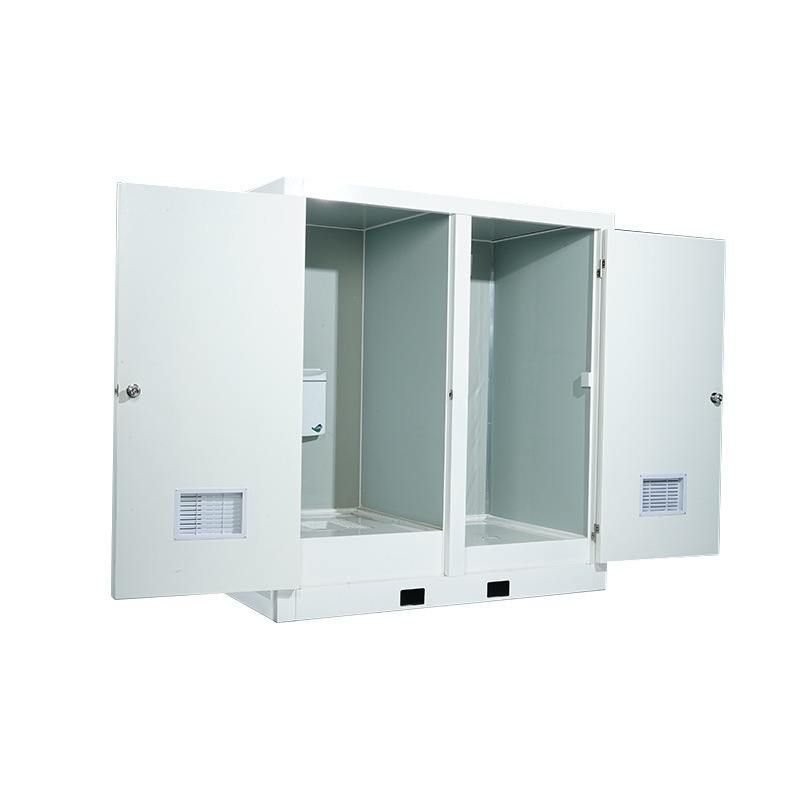
Installation of Sewer Pipes for Water-Flush Mobile Toilets
Water-flush mobile toilets require connection to both water supply and sewer pipes for normal operation. The installation of sewer pipes is similar to that of ordinary bathrooms, but the installation location and method vary slightly due to the diverse usage scenarios. During installation, choose a well-ventilated and easily drained location, ensuring sufficient space around the sewer pipe outlet for subsequent operation and maintenance. When connecting the sewer pipe, first select an appropriate connector to attach to the sewage outlet, ensuring that the connector size and type match to prevent leaks or loose connections. Then, extend the other end along the ground, keeping the pipe smooth to avoid bends or blockages. When sealing the connector with sealant, apply it evenly to ensure a good seal and prevent sewage leakage. Additionally, keep the sewer pipe vertical or horizontal to avoid excessive tilt that could prevent sewage from draining properly. Regular cleaning of the sewer pipe is also important, using professional tools or manual cleaning to prevent the buildup of dirt in the pipe, which could affect drainage efficiency.
Pumping Services
At large exhibitions, sports events, and other occasions, mobile toilets are used extremely frequently, with an average daily usage of up to 800 people per toilet. The ammonia concentration produced by the decomposition of urea in urine can exceed standards within 4 hours in a confined space, and the pumping response speed at this time determines the radius of odor diffusion. The intelligent dispatching system configured by relevant companies is connected to the Beijing Sanitation Operation Platform, which can obtain GPS positioning and overflow sensor data of mobile toilets in various regions in real-time, enabling a rapid response to overflow warnings and timely arrangement of pumping vehicles for cleaning to ensure the normal use of mobile toilets.
Dry Toilet Pumping
Brick-built dry toilets used in some rural homes and temporary construction camps have low moisture content in fecal residue, high fiber impurities, and are prone to hardening and clumping, making it difficult for conventional suction trucks to effectively break them up using negative pressure. A dry-wet separation cleaning process can be adopted, first softening the surface hardening with high-pressure water jets, then using a spiral auger-type dredging device to scrape it layer by layer, and finally sending the solid residue to a mobile slurry dewatering and solidification device to achieve efficient cleaning of the dry toilet.



