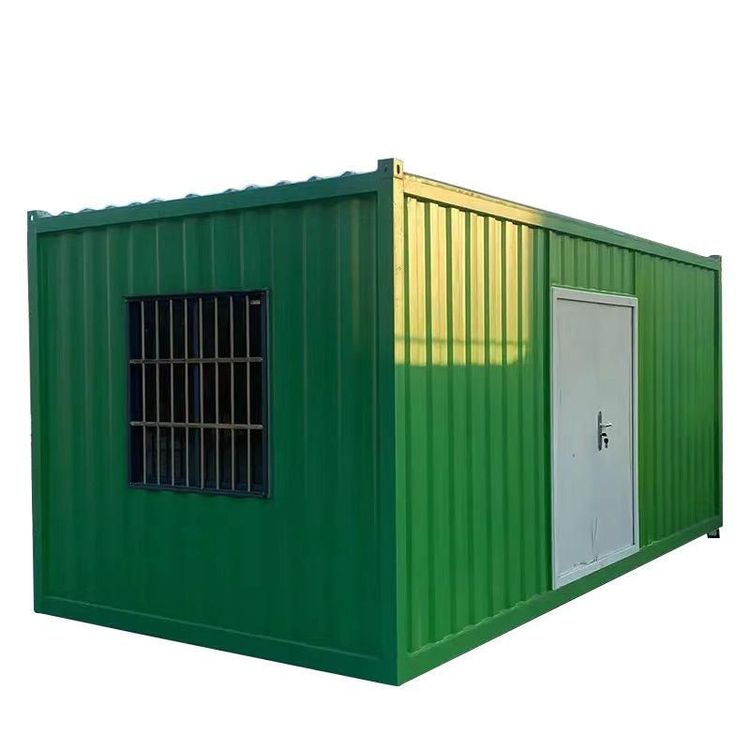
Mobile Toilet Sewage Suction Equipment
Mobile toilet sewage suction equipment mainly adopts vacuum suction technology to efficiently collect and transport fecal sewage in a closed manner through specialized vehicles or modular devices. The core equipment includes vacuum pumps, sewage suction vehicles, and supporting modular systems.
Vacuum Suction Technology as the Core Principle
Mobile toilet sewage suction equipment relies on vacuum suction technology to create a negative pressure environment, rapidly drawing fecal sewage from the toilet's sewage storage tank into the transport container. This technology generates continuous negative pressure through vacuum pumps (such as the XD40-3 vacuum sewage suction pump and the six-vane vacuum fecal suction pump), ensuring an efficient and leak-free sewage suction process. The suction strength and stability of the vacuum pump directly affect the equipment's processing capacity. For example, the six-vane pump enhances air extraction efficiency through its multi-vane design, catering to the sewage discharge needs of mobile toilets of different scales.
Specialized Sewage Suction Vehicles for Closed Transport
In areas like Nankai District, Tianjin, portable toilet rental companies commonly adopt the 'vacuum suction + closed transport' model, equipped with dedicated sewage suction vehicles. These vehicles typically integrate large-capacity sewage storage tanks, vacuum pumps, and sewage discharge piping systems, enabling on-site sewage suction operations and direct transport to legal sewage discharge points. The vehicle design emphasizes airtightness to prevent sewage leakage or odor diffusion during transport, meeting environmental protection requirements. Some vehicles are also equipped with high-pressure cleaning functions to clean the toilet interior after sewage suction, improving equipment reuse efficiency.
Modular Design Supports Customized Applications
Vacuum self-priming mobile toilets feature a modular design that integrates vacuum pumps, sewage storage tanks, and sewage discharge pipes into independent units, supporting rapid installation and disassembly. This design allows for adjustments in toilet capacity or sewage discharge methods based on site requirements, such as increasing the number of vacuum pumps to enhance suction speed or expanding the sewage storage tank capacity to extend usage periods. The modular system also supports nationwide customized supply, catering to the sewage discharge needs of various scenarios, including scenic spots, construction sites, and temporary events.
Equipment Selection Should Match Actual Scenarios
When selecting sewage suction equipment, it is essential to consider factors such as toilet usage frequency, sewage volume, and transport distance. For example, small-scale events may opt for three-wheeled fecal suction vehicles equipped with six-vane pumps to meet short-distance, high-frequency sewage suction needs; while large construction sites or scenic spots require large sewage suction vehicles to ensure single-trip transport capacity covers peak sewage discharge volumes. Additionally, equipment maintenance should involve regular checks of vacuum pump airtightness, piping patency, and vehicle airtightness to prevent environmental pollution caused by malfunctions.