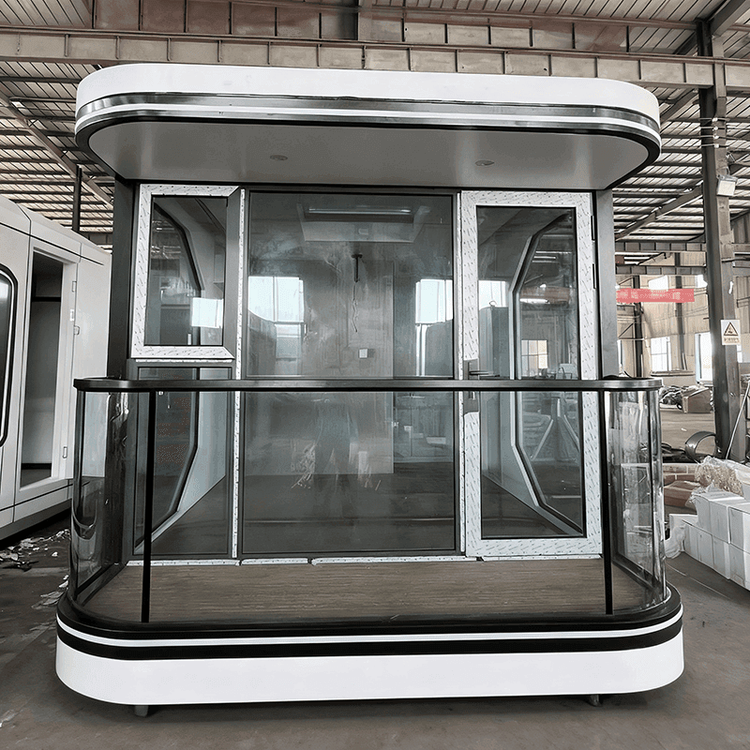
Mobile Toilet Setting Requirements
The setting requirements for mobile toilets cover six major aspects: design, site selection, facilities, installation, sanitation maintenance, and compliance reporting. Details are as follows:
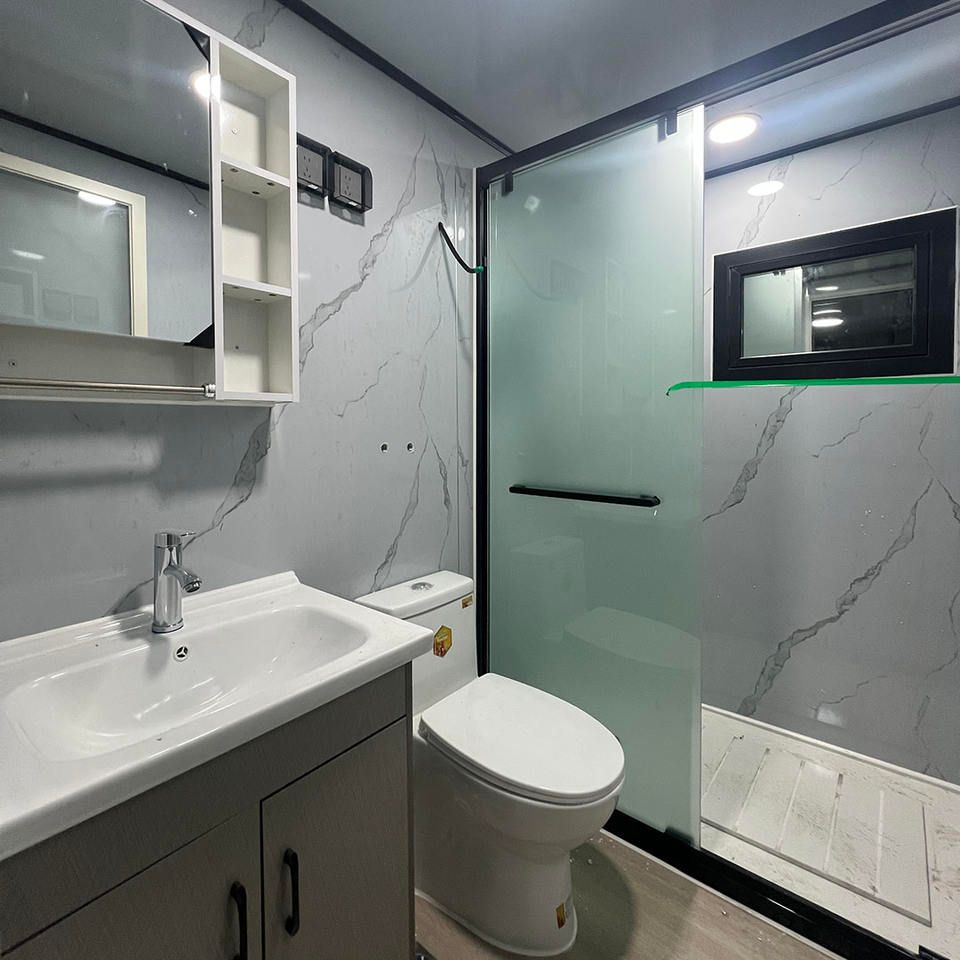
1. Design Principles The design of mobile toilets should balance mobility, cost-effectiveness, durability, and environmental friendliness, while also emphasizing environmental adaptability, enhanced usability, and humanitarian considerations. For example, lightweight materials are used to reduce transportation costs, water-saving flushing systems are installed to minimize resource consumption, and barrier-free designs are implemented to meet the needs of special populations.
2. Site Selection Criteria
- Distance Requirements: Mobile toilets should be placed at an appropriate distance from main pathways, entrances/exits, and crowded areas to avoid obstructing traffic. A safe distance of ≥1.5 meters from building exteriors is required to prevent odor diffusion or structural interference.
- Environmental Conditions: Site selection should avoid low-lying areas prone to waterlogging (to prevent rainwater backflow) and pollution sources (such as garbage dumps or sewage pipes). The surrounding ground should be firm and level to ensure easy vehicle access and routine maintenance.
3. Facility Configuration and Standards
- Basic Facilities: Each mobile toilet must be equipped with flushing systems, handwashing basins, toilet paper holders, hooks, and other essential facilities, ensuring internal cleanliness and hygiene. Some high-end models may include additional features like hand dryers and deodorization devices to enhance user experience.
- Quantity Requirements: The number of mobile toilets should be dynamically adjusted based on the number of users, typically estimated at one toilet per 50 people. For example, an event with 500 attendees requires at least 10 toilets to avoid long queues.
4. Installation and Placement Standards
- Stable Installation: Upon arrival, mobile toilets should be secured with ground anchors, counterweights, or other stabilizing devices to prevent displacement or tipping due to strong winds or collisions.
- Clear Signage: Visible gender identification signs should be placed outside the toilets, and lighting equipment (such as motion-activated lights) should be installed for nighttime use to ensure safety and convenience.
5. Sanitation and Maintenance Requirements
- Cleaning Frequency: The rental party must conduct at least one comprehensive cleaning per day, promptly removing waste and ensuring the facilities are odor-free and stain-free. For high-frequency usage scenarios (such as music festivals), cleaning frequency should be increased.
- Emergency Response: A basic toolkit (including plungers, disinfectants, and spare parts) should be provided to enable quick repairs in case of equipment failure, minimizing downtime.
6. Compliance and Reporting Procedures
- Advance Reporting: Prior to use, notification must be given to the local municipal department or relevant regulatory authority, specifying the usage time, location, and quantity. Some areas may require submission of a floor plan for layout approval.
- Qualification Verification: Choose a reputable rental company and confirm that it holds the necessary operational qualifications and safety measures (such as insurance and regular maintenance records) to avoid safety hazards caused by unqualified equipment.