Regulations on the Service Life of Mobile Toilets
There is no unified regulation on the service life of mobile toilets, which generally ranges from 5 to 20 years, depending on factors such as material, usage environment, and maintenance. Here is a detailed explanation:
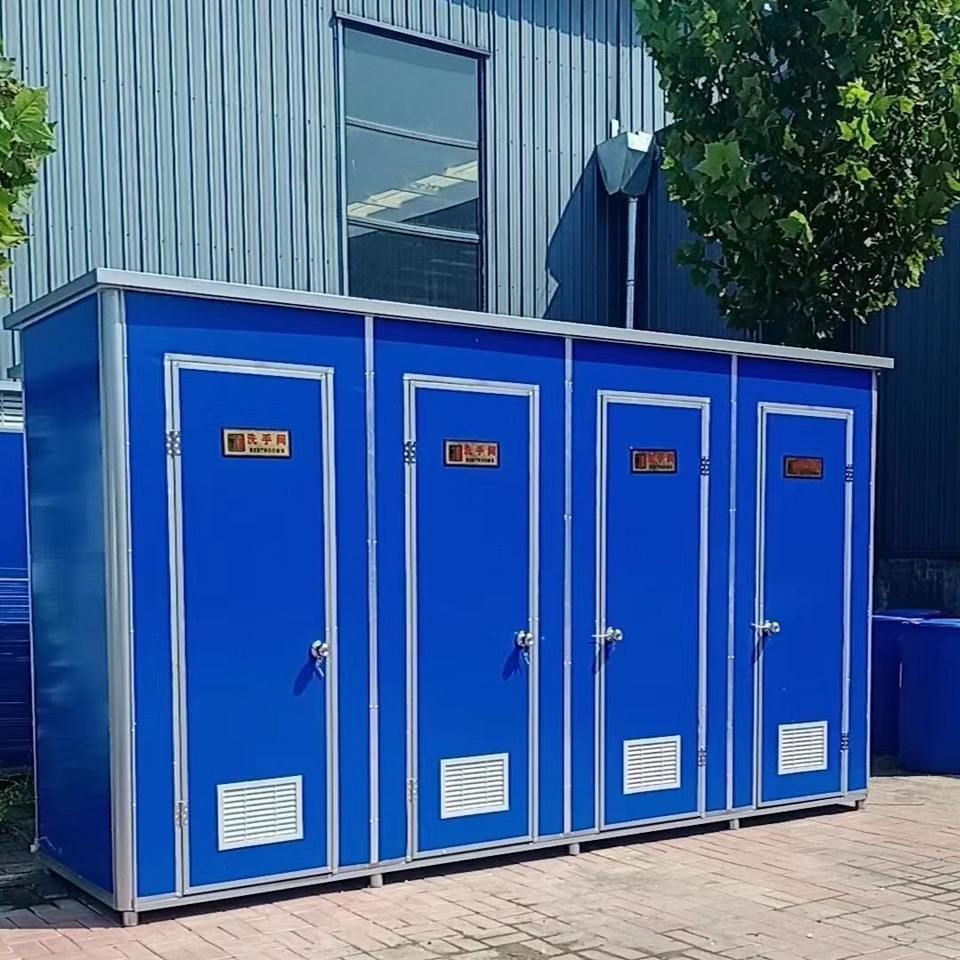
Material Differences Affect Service Life
The service life of mobile toilets varies significantly depending on the material used. Simple mobile toilets made of basic materials such as wood or ordinary plastics, or those exposed to harsh environments such as high temperatures, high humidity, and strong corrosion for extended periods without proper maintenance, may need to be scrapped after only 5 to 10 years of use. Mobile toilets of regular quality, often made of durable materials such as galvanized pipes and high-density polyethylene, can last 10 to 15 years with normal use and regular maintenance. Among them, plastic mobile toilets are lightweight and cost-effective but prone to aging, typically lasting about 8 years; metal materials (such as stainless steel) are highly corrosion-resistant and can last 10 to 15 years; fiberglass-reinforced plastic materials combine aesthetics with durability, lasting about 10 years. High-quality mobile toilets equipped with high-end configurations such as stainless steel frames and premium composite materials can last more than 20 years with proper maintenance in ideal environments.
Usage Environment Determines Service Life
Mobile toilets tend to have a longer service life in regions with mild climates and moderate usage frequencies. For example, dry and less rainy environments with small temperature variations can slow down the aging of materials. Conversely, regions with high humidity, strong winds, heavy dust, or extreme temperature variations can accelerate component wear and shorten the service life. Additionally, excessive usage frequencies (such as during peak tourist seasons) or prolonged exposure to ultraviolet rays and chemical pollutants can cause additional damage to the materials.
Maintenance is Key to Prolonging Service Life
Regular cleaning can prevent corrosion caused by dirt accumulation; inspecting component wear (such as hinges, locks, and seals) can identify potential issues early; and promptly repairing damaged parts (such as cracks and rust) can prevent problems from escalating. For example, metal materials require regular rust removal and painting, plastic materials should be protected from scratches by sharp objects, and fiberglass-reinforced plastic materials should be checked for structural stability. A comprehensive maintenance system can extend the service life of mobile toilets by 30% to 50%.