Interior of Mobile Toilets in Canada
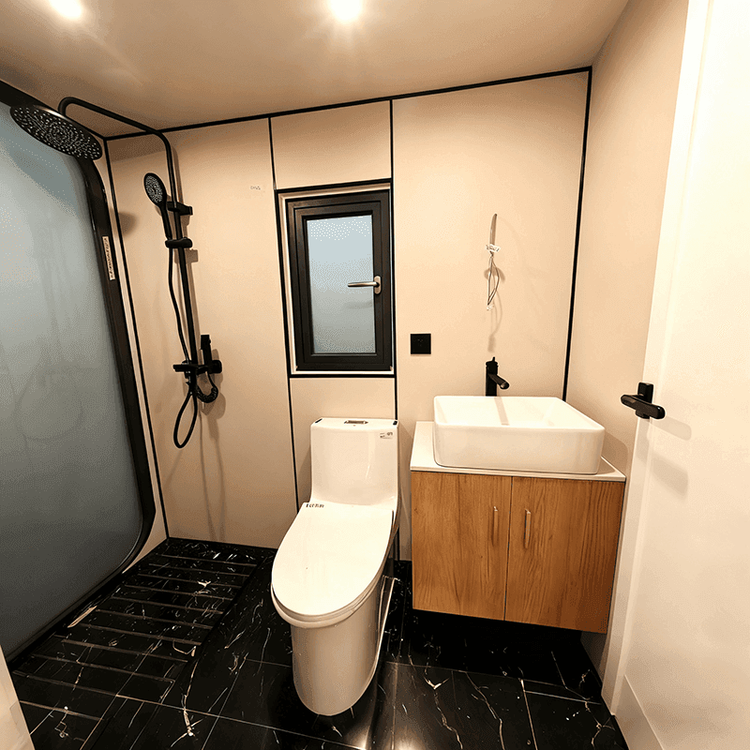
The interior facilities of mobile toilets in Canada are designed around the needs of hygiene, convenience, and durability, covering four core modules: sanitary ware, environmental control, water supply and drainage, and power systems, as well as structural accessories. The specific configurations are as follows:

1. Core Sanitary Ware
Toilets are primarily ceramic squat toilets or sit-down toilets, with high-end models using stainless steel and equipped with foot-operated or sensor-operated flush valves. Water tank capacities range from 5 to 10 liters, balancing water conservation with cleaning effectiveness. Handwashing systems include ceramic or stainless steel sinks (30-40 cm wide), push-button or sensor-operated faucets, and storage tanks to ensure water supply. Auxiliary facilities include mirrors, coat hooks, shelves, toilet paper holders, and trash bins, with some high-specification toilets adding child safety seats or toilet seat covers to meet family needs.
2. Environmental Control Systems
Ventilation systems are equipped with 20-50 watt high-power exhaust fans, providing 10-15 air changes per hour. Some products feature dual exhaust designs on the top and side walls to enhance odor removal. Lighting systems use 5-15 watt LED energy-saving lights, with some equipped with emergency lights to ensure illumination during power outages. Toilets in cold regions may be fitted with insulation materials, electric heaters, or small warm air blowers, while those in hot regions may include ventilation skylights or small air conditioners to adapt to extreme climates.
3. Water Supply and Drainage, and Power Systems
Water supply systems come in two types: self-contained tank models with top freshwater tanks holding 100-300 liters, supplied by pumps or gravity; and externally connected models that directly link to municipal water pipes. Sewage systems traditionally use bottom sewage tanks with capacities of 200-500 liters, requiring regular pumping and cleaning; modern eco-friendly models use foam sealing or microbial degradation technologies to reduce pollution. Power systems typically connect to 220V mains electricity or are powered by 12V/100Ah built-in batteries and solar panels, supporting the operation of exhaust fans, lighting, and sensor devices.
4. Structural Components and Accessories
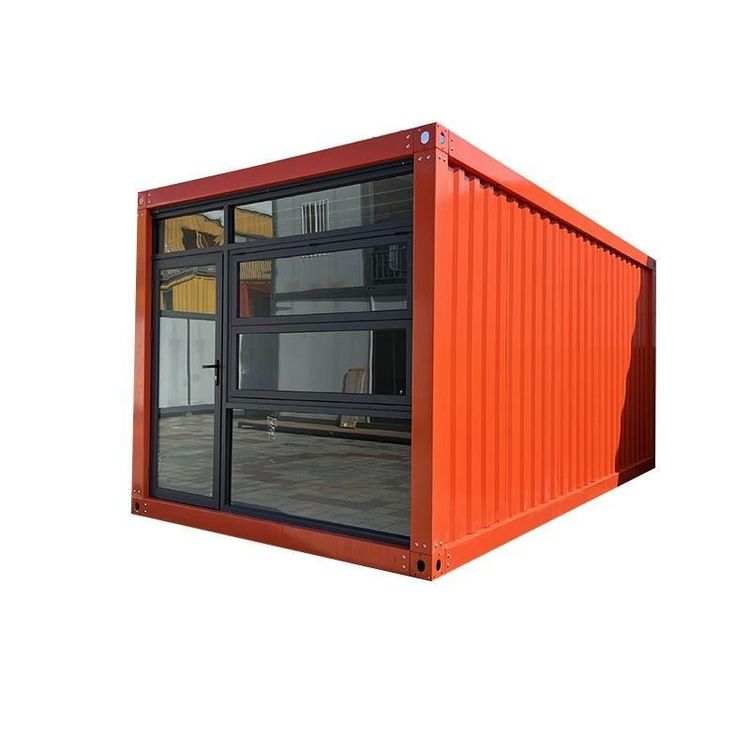
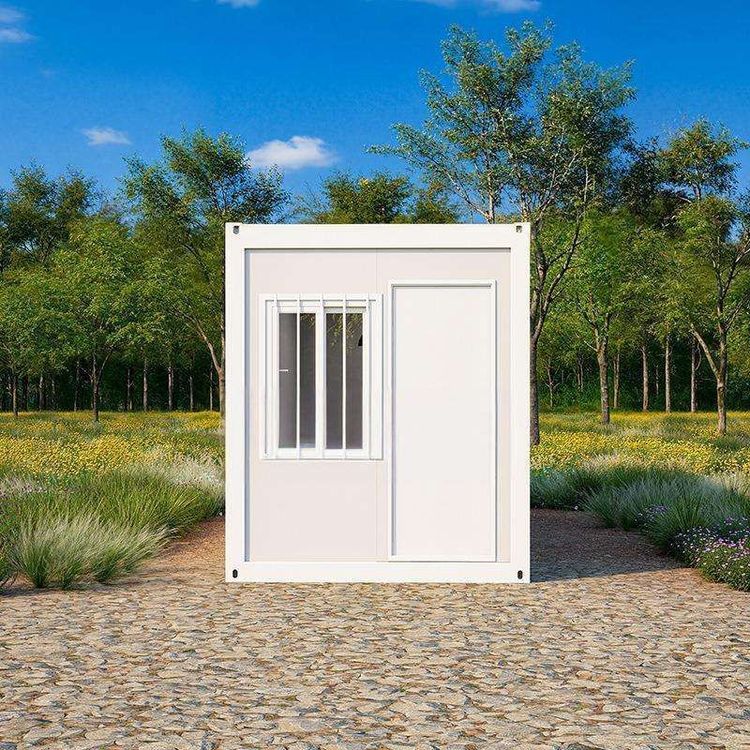
Safety door locks are installed inside, with 'Occupied/Unoccupied' indicator locks or LED displays outside to enhance privacy. Wall panels are made of high-density polyethylene (HDPE), fiberglass, or colored steel plates, while floors are laid with non-slip flooring or fiberglass grating to ensure safety and durability. For special populations, barrier-free restrooms have larger interior spaces, equipped with handrails, wheelchair turning spaces, and low-level sinks, reflecting humanized design.
Mobile toilets offer flexible configurations and can adjust module combinations based on usage scenarios (such as scenic spots, construction sites, temporary events) and budgets, for example, by adding intelligent sensor devices or expanding auxiliary functional areas. However, there are no clearly defined unique configuration standards in Canada itself.