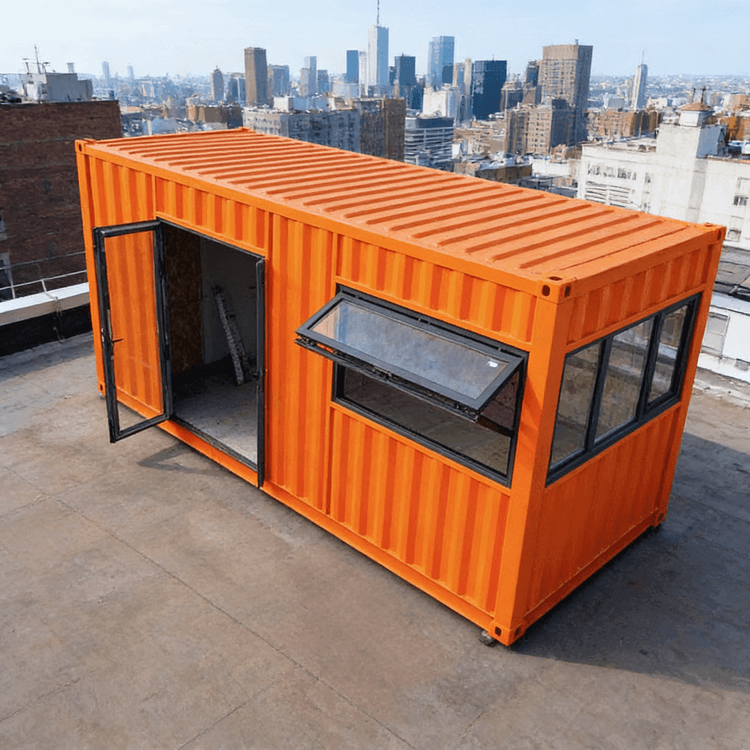
Mobile Toilet with Sealed Fecal Box
The core of a mobile toilet with a fecal box is its built-in sealed fecal box, which achieves hygienic and environmentally friendly waste management through leak-proof and odor-proof design, chemical degradation treatment, and regular replacement mechanisms.

Material and Function of the Sealed Fecal Box
The sealed fecal box is a key component of the mobile toilet, typically made of corrosion-resistant materials (such as high-density polyethylene or engineering plastics) to ensure durability when in contact with waste over long periods. Its core functions include leak prevention and odor control: the box structure is tightly sealed to prevent waste leakage and environmental contamination; special sealing designs (such as rubber gaskets and locking mechanisms) block odor diffusion, with some models also equipped with activated carbon filters for additional odor absorption.
Waste Treatment Mechanism
After use, waste falls directly into the fecal box, which is pre-loaded with degradants or deodorizers. These chemicals break down solid waste through biological degradation (e.g., converting feces into harmless substances) while neutralizing acidic substances to reduce odors. Some advanced models feature a simple flushing system that uses a small amount of water or eco-friendly cleaning solution to rinse the toilet, maintaining cleanliness without excessive water consumption, making them suitable for water-scarce environments.
Fecal Box Replacement and Waste Disposal
When the fecal box nears capacity, trained personnel perform a replacement. The process involves: removing the full fecal box → sealed transportation → installing a clean empty box. This procedure is quick and hygienic, avoiding direct contact with waste. The removed waste is transported to specialized treatment facilities, where it undergoes harmless treatment technologies (such as high-temperature composting or chemical disinfection) to be converted into organic fertilizer or discharged safely, enabling resource recycling.
Special Materials and Waterless Design
Some mobile toilets are constructed entirely from 304 stainless steel and paired with packing-type squat toilets and storage fecal boxes. These designs require no water or electricity supply, relying on mechanical packing devices to seal waste in the storage box for periodic cleaning. Their advantages include adaptability to extreme environments (e.g., wilderness, disaster zones) and the durability, corrosion resistance, and ease of cleaning provided by stainless steel, extending equipment lifespan.
In summary, mobile toilets with fecal boxes combine material science, chemical treatment, and professional operation and maintenance to achieve efficient waste collection and environmentally friendly disposal, making them ideal sanitation solutions for public spaces, temporary events, and water-scarce areas.