
How to Select Sites for Mobile Toilet Sales
The site selection for mobile toilet sales should be based on application scenario requirements, comprehensively considering usage needs, environmental conditions, and management convenience. The specific key points are as follows:
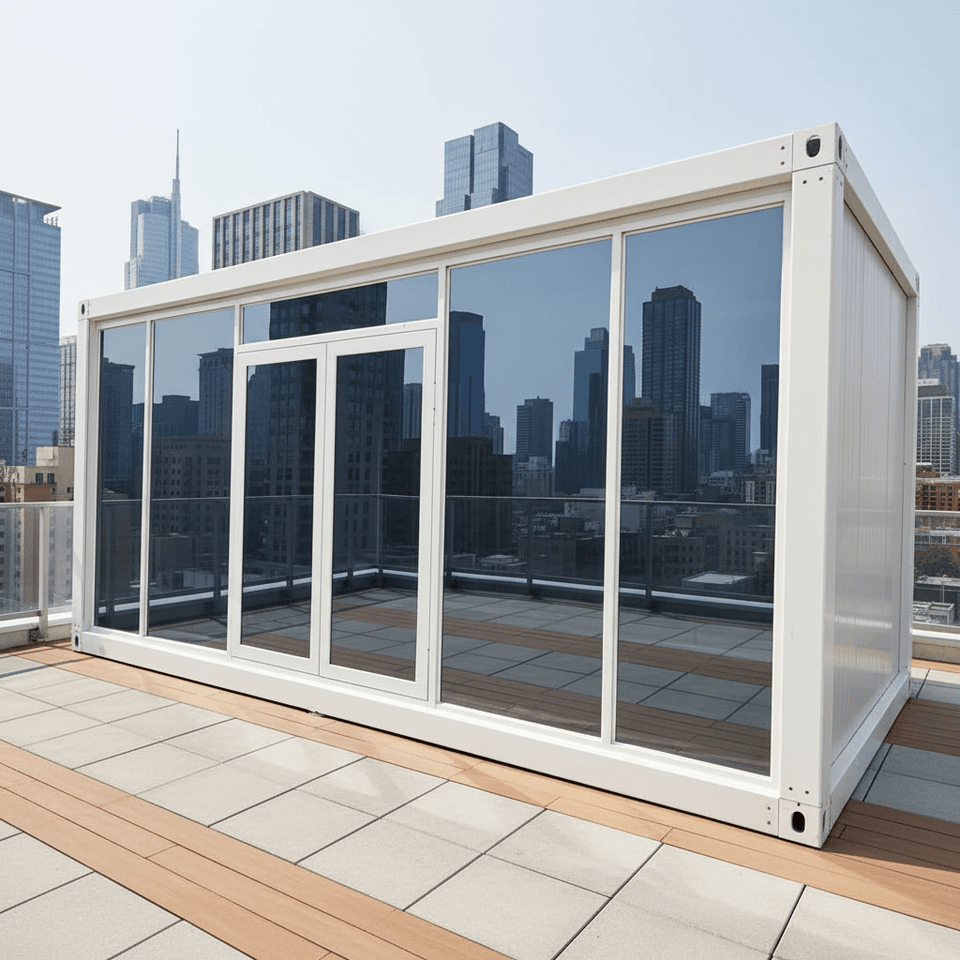
1. Close to high-traffic areas to shorten restroom distances Prioritize placement in densely populated areas such as main event entrances, dining areas, and rest areas, ensuring that users' walking distances do not exceed 50 meters. For example, at large events or gatherings, scientific placement should be based on pedestrian flow density to avoid long queues or user loss due to remote locations. This principle applies to both short-term events (such as music festivals and exhibitions) and long-term fixed venues (such as scenic spots and commercial streets), with the core goal of enhancing user convenience.
2. Avoid sensitive areas to reduce interference and impact Stay away from areas with high environmental requirements, such as main stages, audience seating areas, and food processing zones, to prevent odors and noise from interfering with normal activities and to avoid obstructing scenic views. For example, at sporting events, toilets should be placed on the periphery of the audience seating area rather than directly behind it; near dining areas, a minimum distance of 10 meters should be maintained to avoid cross-contamination of odors.
3. Evaluate terrain and drainage conditions to ensure facility stability Choose flat, dry areas and avoid low-lying, flood-prone spots to prevent rainwater backflow or sewage overflow. If direct sewage discharge is required, proximity to municipal sewer networks or septic tanks is necessary; if storage tanks are used, regular cleaning access must be reserved. For example, in special terrains such as mountains or beaches, measures like steel frame fixation, anti-slip steps, and sandbag bases should be employed to enhance stability, and corrosion-resistant materials (such as stainless steel) should be selected to extend service life.
4. Ensure transportation convenience to support rapid deployment Reserve space for lifting vehicle passage (width ≥ 4 meters) to ensure that toilets can be smoothly lifted to designated locations by cranes. This is particularly important for temporary events, where road bearing capacity and traffic restrictions should be confirmed in advance with venue management to avoid construction delays due to transportation obstacles.
5. Adapt to special scenarios to address environmental challenges Customized designs are required for extreme climates or complex terrains:
- Cold regions: Install electric tracing systems, antifreeze solutions, and insulated water pipes to prevent equipment freeze damage;
- Hot regions: Increase ventilation openings, powerful exhaust fans, and mosquito lamps to improve user experience;
- Mountainous/beach areas: Prevent settlement through steel frame fixation, anti-tilt devices, or concrete bases, and select anti-slip, corrosion-resistant materials.
6. Dynamically optimize site selection based on real-time data Periodically assess the rationality of site selection by monitoring usage frequency, facility wear rates, and cleaning and maintenance efficiency at different locations. For example, if the usage rate of toilets in a certain area remains consistently below average, they can be relocated to higher-demand areas to achieve efficient resource allocation.



