
Mobile Toilet Sales Plan
The mobile toilet sales plan covers six core aspects: demand communication, solution design, quotation and contract confirmation, production and quality control, transportation and installation, and after-sales support.
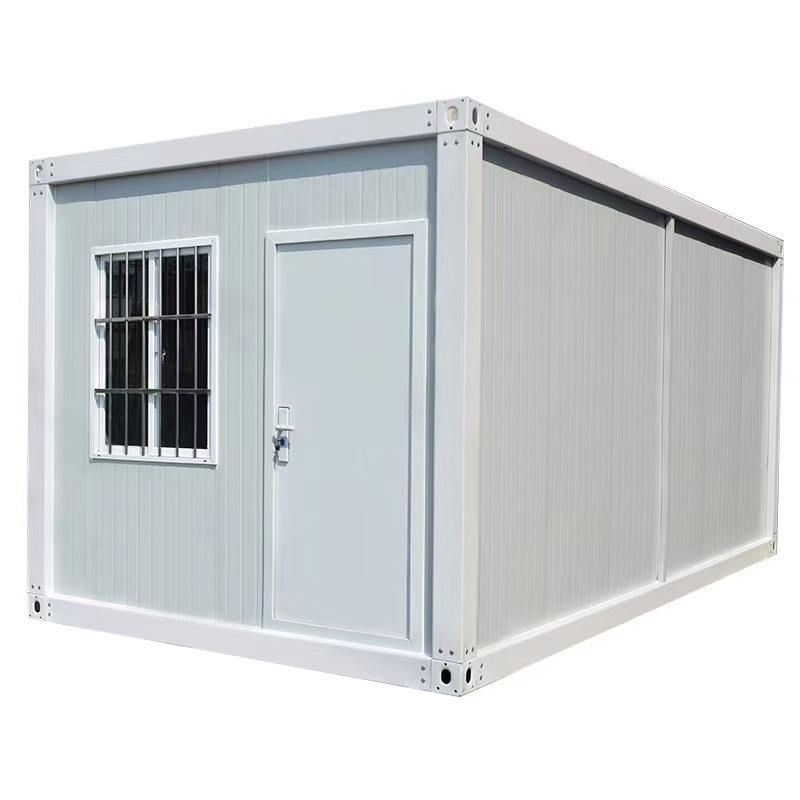
1. Demand Communication and On-Site Assessment
It is essential to communicate in-depth with customers about the usage scenario, clarifying the number of users, duration, site environment (such as terrain, traffic, and access to water and electricity), and special functional requirements (such as barrier-free design and baby care room configuration). Professional personnel should be arranged to conduct on-site inspections to evaluate waste disposal methods (such as septic tank capacity and sewage pipe connection points) and determine the type (such as single-unit, connected, or trailer-mounted), quantity, and layout plan of mobile toilets. For example, large-scale events require planning toilet distribution based on pedestrian density to avoid queues, while remote areas may need to consider solar power or water storage equipment.
2. Solution Design and Product Recommendation
Design solutions based on customer needs, including product specifications (such as size and material), placement planning (such as spacing and aisle width), transportation routes (such as road height restrictions and turning radii), and auxiliary facilities (such as handwashing stations and lighting systems). Provide customers with explanations of product materials, functional features, and environmental indicators. For example, the 'Hengtai' brand product from Cangzhou Hengtai Sanitation Equipment Co., Ltd., model htcs-528, is made of color steel plate or metal carved plate material, featuring freeze resistance (-30°C to 40°C applicable), odor resistance, and water-saving functions. It supports customization, operates on 220V voltage, and has dimensions of 120015003000mm, meeting the needs of various scenarios.
3. Quotation and Contract Confirmation
Submit a detailed quotation that includes product unit prices, transportation costs (affected by distance and vehicle type), installation costs (such as hoisting equipment rental), and long-term maintenance budgets (such as consumable replacement cycles). Prices vary based on material and craftsmanship (e.g., stainless steel costs 30%-50% more than plastic) and functional configurations (e.g., smart sensor flushing adds 15%-20% to the cost). After customer confirmation, sign a contract specifying product specifications, delivery time (45-60 days for custom products), payment terms (such as installment payments or full payment), and after-sales service terms (such as warranty period and response time).
4. Production and Quality Control
Custom products should be manufactured according to contract requirements, involving structural assembly (such as welding processes), installation of internal facilities (such as toilets and ventilation systems), and waterproof testing (simulating heavy rain conditions). Material selection should comply with environmental standards (such as E0-grade panels). Quality inspectors conduct multiple rounds of checks (such as for appearance defects and functional stability) and specialized tests (such as load-bearing tests and electrical leakage detection) to ensure product safety and reliability.
5. Transportation and On-Site Installation
Plan transportation routes and confirm site accessibility (such as height and width restrictions). For large projects, transport in batches to reduce risks. Use specialized vehicles (such as flatbed trailers) and handling equipment (such as forklifts) to prevent transportation damage. Upon arrival at the site, place and secure the toilets according to the plan, connect water and electricity pipes (such as connecting to municipal water supplies or generator power), test functions (such as flushing, lighting, and ventilation), and clean up site waste to protect the surrounding environment.
6. Usage Training and After-Sales Support
After installation, provide customers with operation guides (such as switch locations and cleaning cycles) and maintenance training (such as replacing filters and unclogging pipes), emphasizing daily usage precautions (such as prohibiting the disposal of hard objects). Offer long-term after-sales support, including regular inspections (such as quarterly), emergency repairs (with a 24-hour response time), and supply of consumables (such as toilet paper and cleaning agents) to ensure the continuous and stable operation of mobile toilets.



