
Mobile Toilet Safety Inspection Center
For the Mobile Toilet Safety Inspection Center, you can refer to the following institutions, which provide professional inspection services across different dimensions:
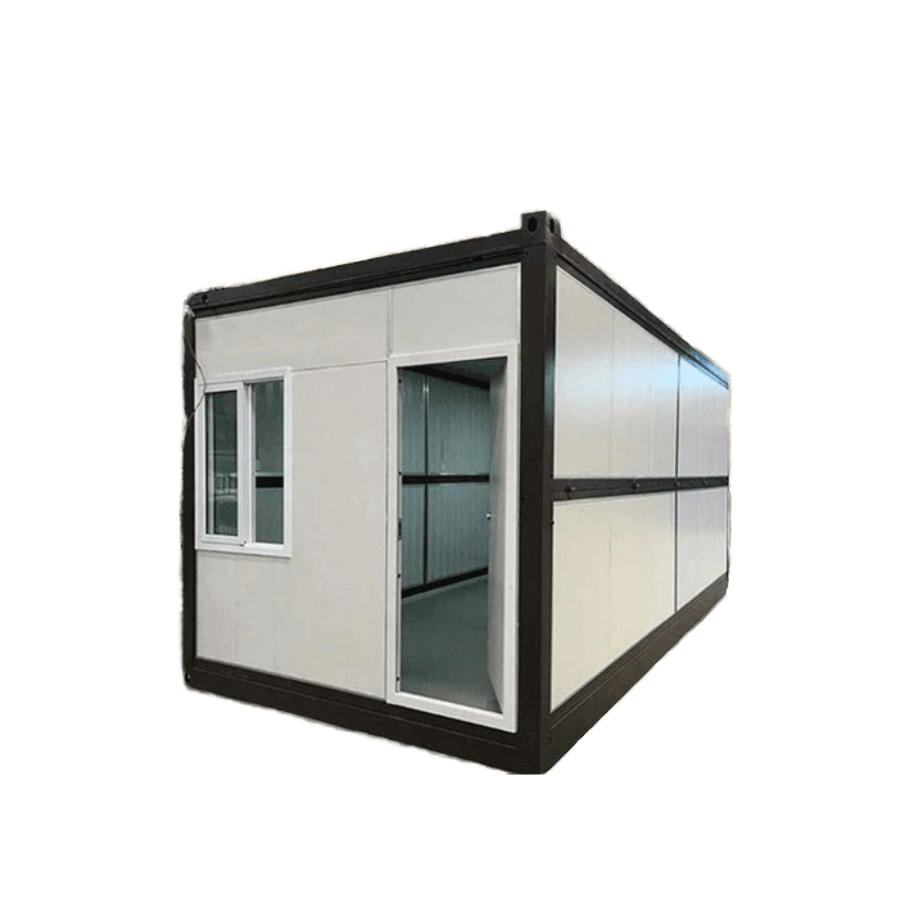
1. Zhongxi Inspection As a third-party inspection institution, its inspection scope covers various types of mobile toilets, including flush-type, packing-type, and foam-sealing-type toilets. The inspection items focus on structural stability (such as anti-overturning, wind resistance, and earthquake resistance), material environmental friendliness (such as formaldehyde and heavy metal content), water-saving and sealing performance (such as water tank sealing and sewage pipe sealing), and ventilation and exhaust effects (such as air exchange frequency and odor concentration). Through mechanical property tests (such as load-bearing capacity and impact resistance) and waste treatment capacity evaluations (such as microbial degradation efficiency and fecal treatment cycle), the safety and functionality of mobile toilets can be comprehensively verified.
2. Junce Engineering Technology Co., Ltd. It specializes in main structural safety inspections, covering electrical safety (such as grounding resistance tests and leakage protector response simulations) and mechanical safety (such as the sensitivity of automatic control switches and the compliance of door and window installations). Through structural stability inspections (such as tilt measurements and crack width monitoring) and damage inspections (such as non-destructive testing of steel structure welds and aging assessments of load-bearing components), potential risk points can be accurately identified, and quantitative evaluation reports on wind and earthquake resistance can be provided.
3. East China Environmental Inspection Center and Coastal Area Sanitation Inspection Laboratory The former focuses on sanitation index inspections, evaluating the sanitation compliance of mobile toilets through microbial cultures (such as Escherichia coli and total bacterial count) and air quality analyses (such as ammonia and hydrogen sulfide concentrations). The latter establishes a sanitation evaluation system, formulating inspection procedures in combination with usage scenarios to ensure data traceability. Both provide improvement suggestions to help optimize sanitation management.
4. South China Environmental Monitoring Institute and Central and Western China Inspection and Certification Center The South China Institute provides full-project inspections, integrating the three dimensions of sanitation, structure, and environmental protection, with an emphasis on data accuracy. The Central and Western China Center conducts quality certification services, performing graded certifications from basic sanitation requirements to energy-saving and environmental protection performance (such as solar energy utilization and water resource recycling rates), providing authoritative bases for product market access.
5. Huai'an Housing Quality Inspection Station Relying on CMA and CNAS certification qualifications, it can conduct building structure verifications (such as material strength tests and structural damage analyses) and load-bearing capacity analyses (such as load tests and deformation monitoring) on mobile toilets, suitable for safety reviews after disaster reconstruction or long-term use.
Selection Suggestions: Match institutions according to inspection needs. For structural safety, prioritize Junce or Huai'an Station; for sanitation indicators, choose the East China Center; for full-project evaluations, select the South China Institute; and for quality certifications, opt for the Central and Western China Center.



