
Mobile Toilet Roof Waterproofing
Mobile toilet roof waterproofing is typically achieved through structural design, material selection, and routine maintenance.
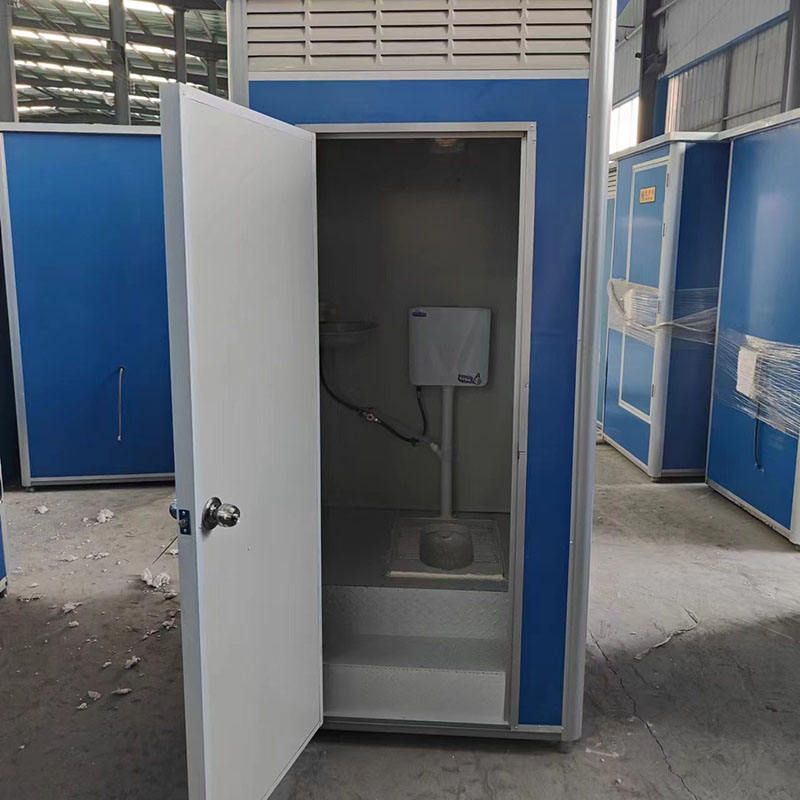
I. Structural Design for Waterproofing
The main frames of mobile toilets produced by reputable manufacturers are mostly made of metal or high-strength plastics, with sealant applied at the joints for waterproofing. This design effectively fills structural gaps, preventing rainwater from infiltrating through the connections. Additionally, the roofs are usually equipped with rain eaves, which extend the length of the eaves to block direct rainwater intrusion and reduce the impact pressure of rainwater on the roof. Some mobile toilets feature a gable roof design, utilizing the inclined angle to quickly channel rainwater away, avoiding long-term soaking of the roof by accumulated water and thereby reducing the risk of leakage.
II. Material Selection for Waterproofing
The choice of roofing materials directly affects the waterproofing performance. Some mobile toilets with pitched roofs are covered with waterproof asphalt shingles, which offer excellent waterproofing and weather resistance, effectively withstanding rainwater erosion. The frame structures are made of galvanized square steel, ensuring both strength and rust resistance, preventing structural deformation and subsequent leakage caused by frame corrosion. The exterior wall materials are selected as waterproof and flame-retardant metal carved panels, which undergo special surface treatment to form a dense waterproof layer, while their flame-retardant properties reduce the risk of fire.
III. Routine Maintenance for Waterproofing
In response to aging issues caused by extreme weather or long-term use, scenic area staff implement preventive maintenance measures. For example, before the rainy season arrives, they inspect the drainage system and clear debris from the drainage outlets to ensure rapid rainwater discharge and prevent water backup. If sealant is found to be aged or cracked, timely repairs are carried out, including reapplying sealant or replacing damaged components. Furthermore, mobile toilets are typically sited away from low-lying areas, with elevated foundations to prevent rainwater backup and further ensure internal dryness.
Through comprehensive measures involving structural design, material selection, and routine maintenance, the waterproofing performance of mobile toilet roofs can be effectively guaranteed, adapting to usage needs in various environments.



