Risks of Mobile Toilets
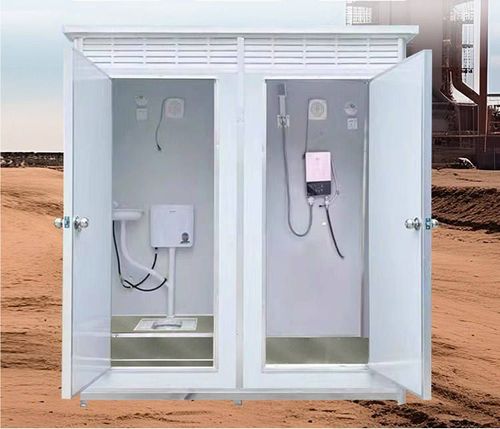
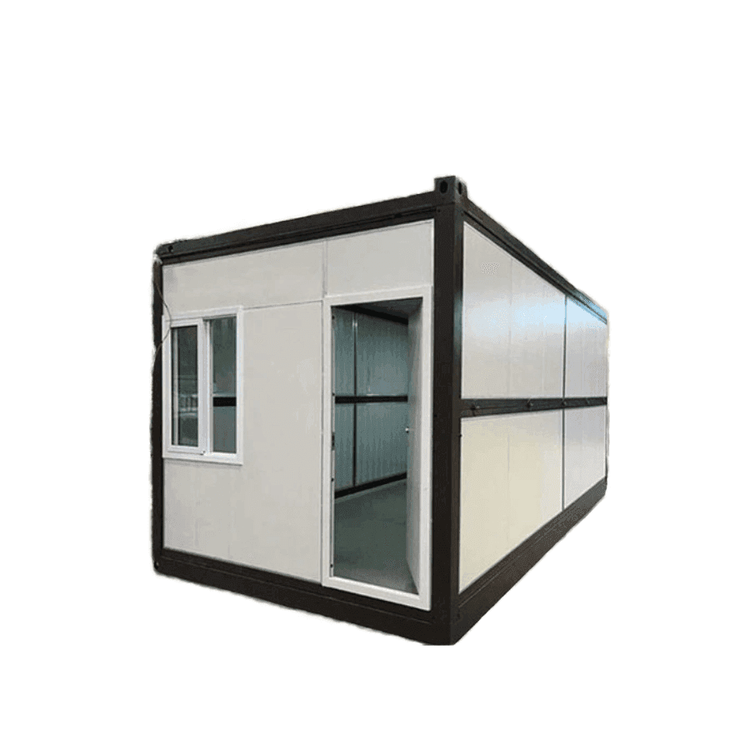
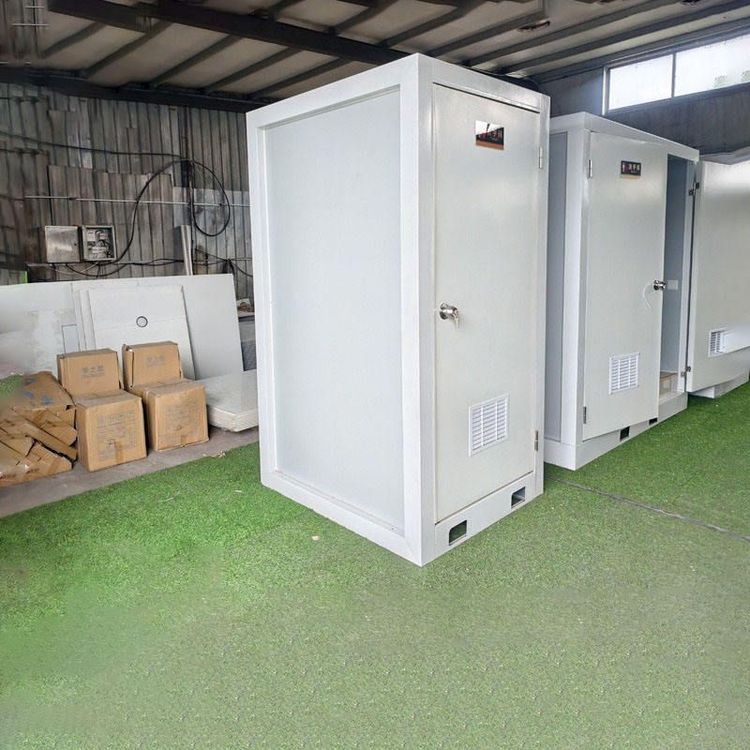
The risks of mobile toilets mainly include three categories: health and hygiene risks, accidental safety risks, and risks associated with the facilities themselves.

Health and Hygiene Risks
High-frequency contact surfaces in mobile toilets, such as door handles and flush buttons, may harbor pathogens like Escherichia coli and norovirus. Failure to wash hands thoroughly can lead to gastrointestinal infections. Pathogenic microorganisms remaining on the edges of toilet seats may increase the risk of urinary tract infections and condyloma acuminatum. Improper disinfection can exacerbate the cross-infection of sexually transmitted pathogens. Additionally, the pungent odor in some mobile toilets can affect respiratory health when exposed for extended periods.
Accidental Safety Risks
Physiological Factors: Patients with cardiovascular diseases may experience transient ischemic attacks when standing up quickly after prolonged squatting. Hypertensive patients are at higher risk of accidents when defecating immediately after waking up in the morning. Forceful breath-holding during defecation can trigger cerebral hemorrhage or angina pectoris. Sudden urination after holding it in can induce micturition syncope. Environmental Factors: Slippery floors can easily cause hip fractures in the elderly, while the lack of barrier-free facilities may lead to falls among individuals with physical disabilities. The volatilization of cleaning agents in confined spaces can trigger asthma attacks, and poor-quality non-slip mats pose tripping hazards. Aged or temporarily installed mobile toilets may have electrical circuit degradation or damage, leading to electric shock risks. Malfunctioning locks may result in door latch failures, trapping users inside or allowing unauthorized entry. Worn non-slip mats can cause slips and falls on rainy days or after cleaning due to accumulated water. External Risks: Mobile toilets located in secluded corners may face security risks such as stalking and theft when used at night. Toilets near construction sites may increase the risk of磕碰 (collision) due to falling debris or personnel movement. Roadside toilets too close to traffic lanes may result in vehicle scrapes when entering or exiting. During large-scale events, excessive foot traffic, insufficient toilet stalls, or overly narrow spacing may lead to crowding and stampedes.
Risks Associated with the Facilities Themselves
Poor-quality mobile toilets have low durability and may collapse or break. The lack of safety facilities such as handrails and alarm devices makes it difficult to prevent slips or respond to emergencies effectively. Cracks in the toilet body affect structural stability, while broken doors or windows may injure users or compromise sealing. Malfunctioning door locks fail to ensure privacy, and uneven floors can lead to falls. Clogged toilets produce odors and inconvenience, while insufficient supplies of toilet paper and hand soap affect the user experience. Loosely installed internal items such as toilet paper holders and hand soap dispensers may fall and injure users.