
Mobile Toilet Revision
The revision of mobile toilets mainly involves innovations in design, functionality, and technological applications, aiming to enhance user experience and management efficiency.
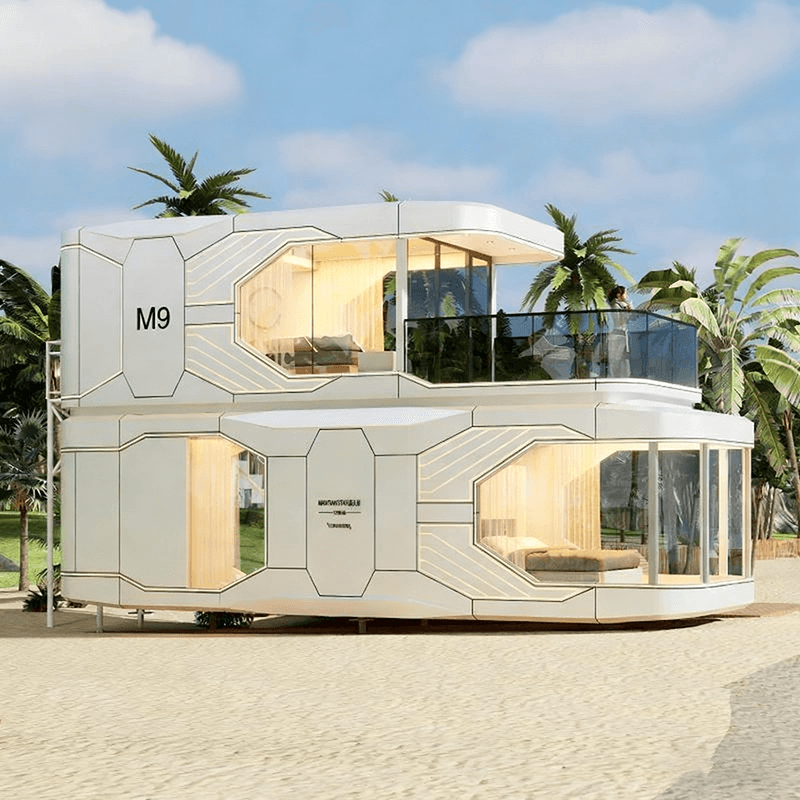
Design Aspect: The revision of mobile toilets emphasizes the combination of aesthetics and practicality. For example, the use of aluminum checkered plates and stone-like designs not only improves the durability of the toilets but also makes their appearance more in harmony with natural environments, suitable for rural settings, creating a safe and comfortable restroom space. This design considers both aesthetics and practical needs such as slip resistance and ease of cleaning.
Functionality Aspect: The functionality of mobile toilets continues to expand to meet the needs of diverse scenarios. Take the 5G smart carbon-neutral public restroom in a scenic spot in Qingcheng Mountain, Chengdu, as an example. It achieves an odorless and tasteless environment through a 'three-stage microbial composite bacteria' collaborative treatment system and utilizes microbial degradation technology to achieve a 'waterless flushing' feature, effectively addressing the pain points of traditional mobile toilets such as strong odors and high water consumption. Additionally, this public restroom incorporates cultural and tourism features by displaying cultural and tourism information through ultra-high-definition large screens and touchscreens, providing convenience for tourists. It also integrates an AI vertical model for cultural tourism, achieving a deep integration of 'public restroom + cultural tourism' and enhancing the added value of the public restroom.
Technological Application Aspect: The revision of mobile toilets relies on the support of advanced technologies. The rise of prefabricated public restrooms has made the construction of mobile toilets more efficient and flexible. Through modular design, they can be quickly assembled and disassembled to adapt to different site requirements. Meanwhile, the application of technologies such as 5G and the Internet of Things has made the management of mobile toilets more intelligent, such as real-time monitoring of toilet stall usage and environmental parameters, providing decision support for managers and improving management efficiency.
These revisions and innovations not only enhance the user experience of mobile toilets but also promote their application in more scenarios, demonstrating the diverse development trends of mobile toilets in terms of design and functionality.



