
Back to blog
Article
Mobile Toilet Relocation
Admin September 20, 2026
Mobile toilet relocation requires proper preliminary preparations, standardized relocation processes, and attention to special considerations, as detailed below:
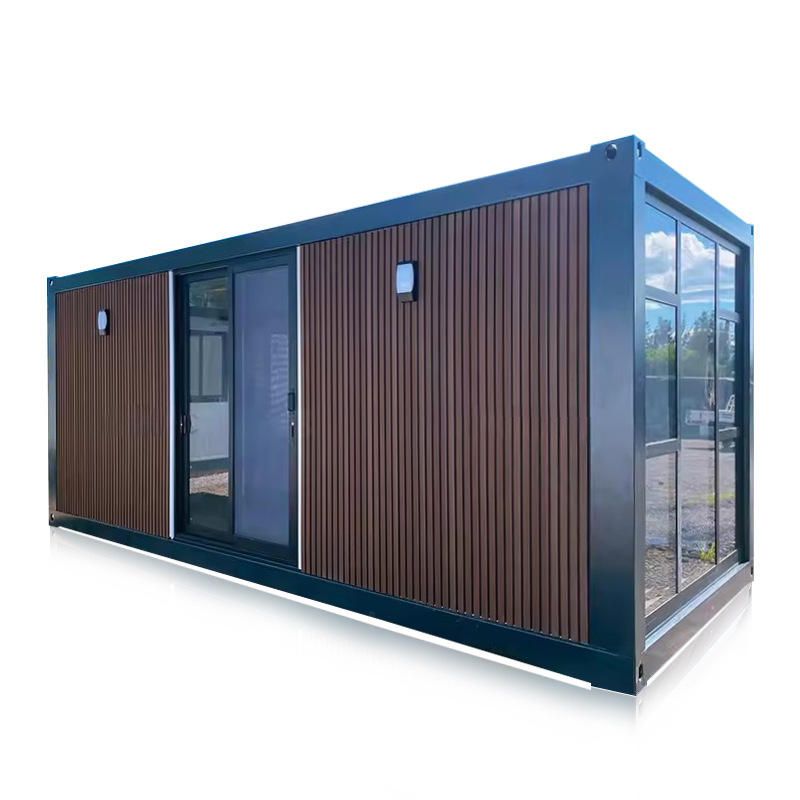
I. Preliminary Preparations
- Select a reputable rental company: Ensure the company has legal qualifications, vehicle transportation capabilities, and emergency handling experience to avoid relocation delays or equipment damage due to unprofessional service providers.
- Estimate usage volume: Based on the scale of the event, the number of participants, and the duration of use, reasonably estimate the demand for mobile toilets and reserve an additional 10%-20% to prevent supply shortages due to unexpected needs.
- Understand policy restrictions: If the relocation area involves special road sections (such as certain sections in Suqian), apply for a traffic permit from the traffic management department in advance to avoid transportation disruptions due to traffic restrictions.
II. Standardized Relocation Process
- Empty and inspect: Before relocation, thoroughly empty the toilet contents to prevent residue leakage and environmental pollution; simultaneously, inspect the equipment for integrity, such as water tanks, sewage pipes, and electrical circuits, to ensure no damage or malfunctions.
- Professional team operation: Have an experienced team handle the disassembly and transportation, using specialized tools to secure the equipment and prevent structural deformation due to bumps or rollovers during transportation.
- Proper placement location:
- Terrain selection: Avoid low-lying areas prone to water accumulation to prevent rainwater backflow; keep away from fire sources (such as barbecue areas, bonfire sites) and electrical facilities (such as transformers, distribution boxes) to reduce safety hazards.
- Distance control: Maintain a walking distance of within 50 meters from the main event area for convenience of use and to avoid odor diffusion.
- Signage setup: Install clear directional signs outside the toilets and add warning lights or reflective strips at night to enhance safety and visibility.
III. Key Points for Relocating Special Types of Toilets Taking fiberglass mobile toilets as an example, their lightweight and sturdy structure support lifting, shoveling, and manual handling, with 3-4 people able to complete the operation, making them suitable for complex terrains or limited spaces. During relocation, note the following:
- Lifting point selection: Ensure the lifting hook is fixed to the load-bearing structure of the toilet frame to avoid cracking due to localized stress.
- Manual handling coordination: Maintain a unified rhythm during handling to prevent equipment tilting or slipping due to uneven force application.
Through scientific planning and standardized operations, mobile toilet relocation can be efficient and safe, meeting event demands.



