How About Mobile Toilets
Mobile toilets are suitable for specific scenarios, but they have both advantages and disadvantages. Their suitability needs to be evaluated based on specific needs and management capabilities.

Advantages
Flexibility and Rapid Deployment
Mobile toilets do not require complex civil engineering work and can be installed, connected to water and electricity within a few hours, making them ideal for temporary and emergency situations. For example, during large-scale outdoor music festivals, sports events, or exhibitions, additional toilet facilities can be quickly added. The installation time for a standard single mobile toilet usually does not exceed 4 hours.High Space Utilization
They can be placed in corner spaces, along roadsides, or beside green belts, enabling intensive land use. This feature effectively alleviates the problem of limited land resources in urban cores or scenic areas.Environmentally Friendly and Energy-Efficient Design
They generally use water-saving fixtures, are equipped with septic tanks or microbial degradation systems, and some high-end models integrate solar power supply, automatic ventilation, and intelligent deodorization functions, significantly reducing environmental impact.Wide Range of Application Scenarios
- Municipal Engineering: As a supplement to urban public toilets, they address the shortage of public toilets in old urban areas or busy streets.
- Tourist Attractions: They can be added during peak seasons or at temporary attractions to relieve the pressure on tourists' toilet facilities. For example, during the May Day holiday in 2026, the Jinci Scenic Area in Shanxi increased its daily reception capacity from 3,000 to 5,000 people by deploying buses as mobile men's toilets.
- Construction Sites: They provide basic sanitation facilities for workers, meeting safety production requirements.
- Emergency Relief: They can be quickly set up after earthquakes, floods, and other disasters to prevent the spread of diseases.
Well-Structured and Fully Equipped
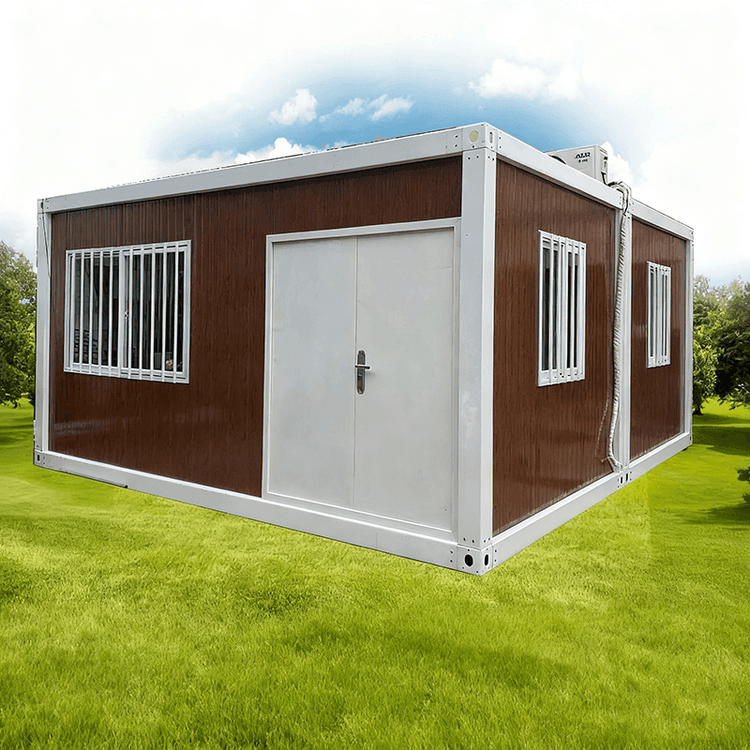
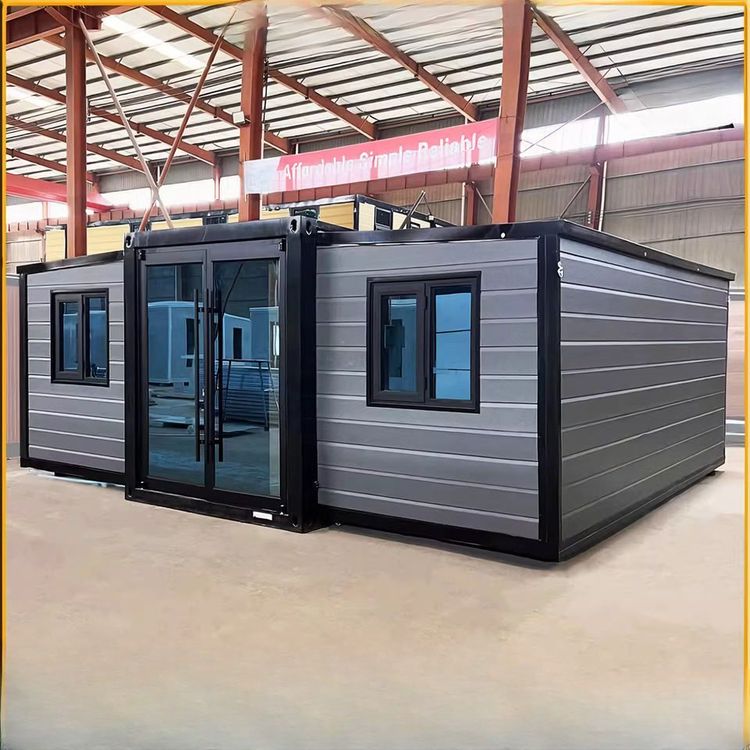
They are made of lightweight and durable materials (such as galvanized square steel and bamboo-wood fiber boards), with a sturdy structure that is corrosion-resistant and rust-proof. Internally, they are equipped with independent stalls, flushing devices, hand basins, non-slip tiled floors, and lighting fixtures, balancing practicality and aesthetics.
Disadvantages and Challenges
Maintenance Costs and Operational Management
Regular cleaning of septic tanks, replenishment of disinfectants and cleaning supplies are required. Poor management can lead to odors, blockages, or poor hygiene conditions. The cost of a single cleaning operation is approximately 50-150 yuan, depending on the location and frequency.Comfort and Space Limitations
The limited size of the cabin results in a cramped interior space, which is not friendly to people with mobility issues or those carrying large items. Overall comfort is lower than that of large fixed public toilets.Resistance to Damage and Safety
The lightweight structure has weak resistance to wind and impacts, requiring reinforcement measures in windy or crowded areas. Attention should also be paid to anti-theft and fire safety performance.Winter Usage Issues
In cold northern regions, if not equipped with insulation layers and heating systems, water pipes and fixtures are prone to freezing and damage, rendering them unusable.