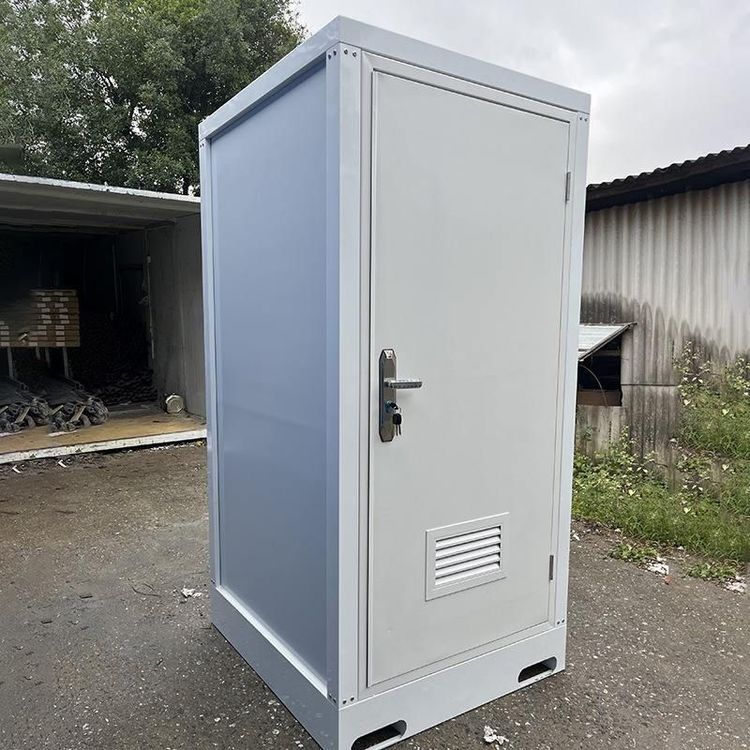
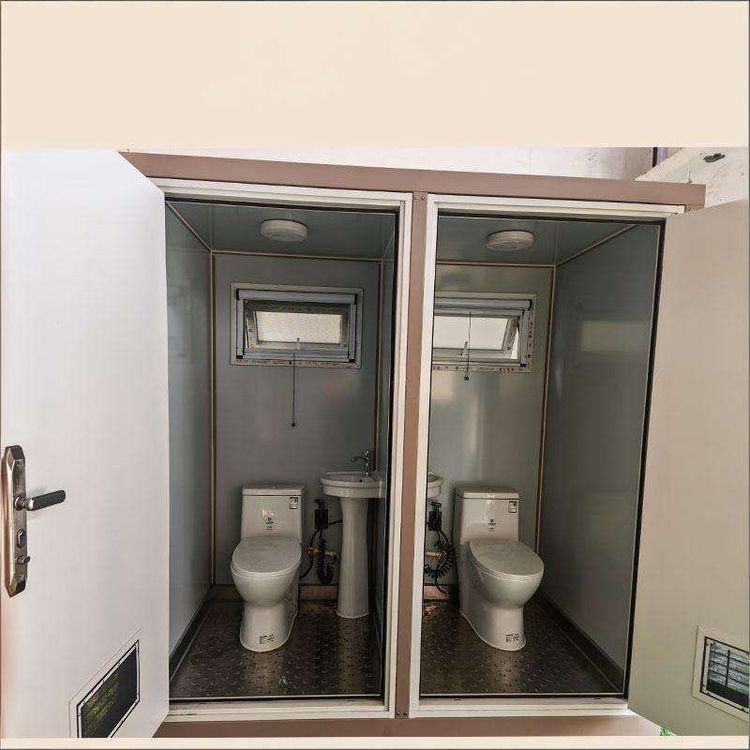
What Are the Prospects for Mobile Toilet Rental?
The prospects for mobile toilet rental are generally stable and exhibit sustained growth potential, but operational challenges must be addressed to achieve high-quality development.

Dual Drivers of Policy and Demand Expand the Market
At the policy level, initiatives such as the "Toilet Revolution," urban renewal, and mandatory installation requirements at construction sites continue to drive market expansion. On the demand side, there is a diverse range of needs: construction sites serve as long-term stable customers, while cultural tourism attractions, camping sites, and sporting events generate short-term rental demand during peak seasons. Municipal emergency services (e.g., flood prevention and disaster relief) and remote areas without sewer systems (e.g., mines and rural regions) rely on eco-friendly mobile toilets. For example, the Hulunbuir region uses modular designs to quickly meet seasonal tourism demands, leasing toilets to winter ice and snow projects to balance utilization rates, demonstrating demand flexibility.
Market Size Growth Coexists with Regional Differentiation
In 2024, the market size of China's mobile toilet industry reached 12 billion yuan, a 15% year-on-year increase, and is expected to grow to 13.8 billion yuan by 2025. Regionally, economically developed areas in East and South China account for over 40% of the market, while the central and western regions, with growth rates exceeding 20%, have become new growth poles. Rental volumes in second- and third-tier cities like Siping are also steadily increasing. Rising user demands for environmental friendliness, comfort, and aesthetics are driving product upgrades toward intelligence and high-end features, such as the application of smart sensors and IoT monitoring technologies.
Industry Trends and Core Challenges
- Technological Upgrades: Biodegradation, IoT, and other technologies enhance operational efficiency, but issues such as power supply stability and signal transmission must be resolved, especially in regions with extreme climates like low temperatures, where localized modifications are required.
- Service Model Transformation: Leading companies are extending from equipment rental to the provision of sanitation management systems, expanding their market share through technological upgrades and brand building.
- Operational Barriers: Waste removal, environmental compliance, and maintenance services are core challenges. The average annual effective usage period of assets is less than four months, and while cross-regional allocation can balance utilization rates, transportation costs erode profits.
Competitive Landscape and User Pain Points
The industry is fragmented, with large enterprises accounting for only 18% of the over 1,200 companies nationwide. Users face issues such as inconsistent quality, inadequate after-sales maintenance, and opaque pricing. Professional service providers build competitive advantages through standardized quality inspections, full-specification customization, and one-stop services. For example, companies like Qinggu Environmental Protection have developed differentiated service models.
In summary, the mobile toilet rental industry is poised for favorable growth supported by policy incentives and rigid demand. However, it must address operational challenges through technological innovation, service optimization, and regional resource integration to achieve high-quality development.