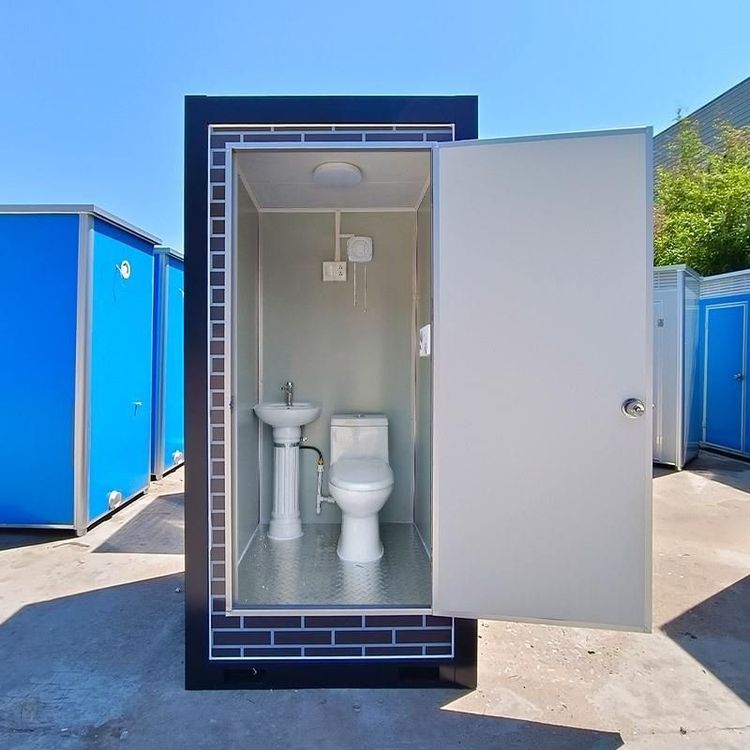
Profit from Mobile Toilet Rental
The profit from mobile toilet rental is influenced by multiple factors, with variations in profitability across different scenarios and operational models. Specific profits require analysis based on actual situations, but approximate ranges can be estimated through typical cases.

Vacuum toilet rental yields relatively high profits. Taking a certain scenic spot as an example, the annual maintenance cost of traditional toilets exceeds 500,000 yuan, while switching to vacuum toilets reduces costs by 70%. The profit sources mainly include three aspects: First, significant water-saving advantages. Based on an average daily usage of 1,000 people, annual water savings exceed 3,000 tons, resulting in savings of tens of thousands of yuan in water fees. Second, independence from municipal sewage networks, enabling flexible deployment. In areas without sewage networks, such as plateaus and deserts, there is substantial room for rental premiums. Third, the resource utilization of fecal waste can generate additional income. A certain rental company has increased its annual income by over 200,000 yuan by collaborating with agricultural cooperatives to sell fecal waste.
The event service provider model offers considerable profits. It provides per-use charging services for core scenarios, with a single rental fee ranging from 30 to 50 yuan per toilet unit per day. For large-scale events, a single cooperation can yield revenue in the tens of thousands of yuan. The profit from this model is directly related to the event scale and the number of toilet units. Larger events and higher toilet demands result in higher profits.
The annual scenic spot托管 (trusteeship) model provides stable profits. A long-term agreement is signed with the scenic spot, with tiered charging based on visitor numbers. For example, a basic service fee of 300 yuan per day is charged for fewer than 5,000 visitors per day, with the excess portion shared at 0.1 yuan per visitor. Calculating based on the annual service fee income from 10 units, 10 units × 300 yuan per day × 200 effective operating days = 600,000 yuan. After deducting procurement costs of 400,000 yuan and operating costs of 60,000 yuan, the net profit in the first year is approximately 140,000 yuan, with an investment payback period controlled within 18 months.
The profit from simple mobile toilet rental is influenced by multiple factors. The rental cost structure includes equipment purchase costs, transportation and installation fees, maintenance and management expenses, and profit markups. The size of the profit markup depends on factors such as market competition conditions and the company's operating costs. Factors affecting rental costs include equipment model and material, rental duration, rental quantity, rental location, and market competition. Rental companies determine their profit margins by comprehensively considering these factors.