
Precautions for Mobile Toilet Rental
The following precautions should be taken when renting mobile toilets:
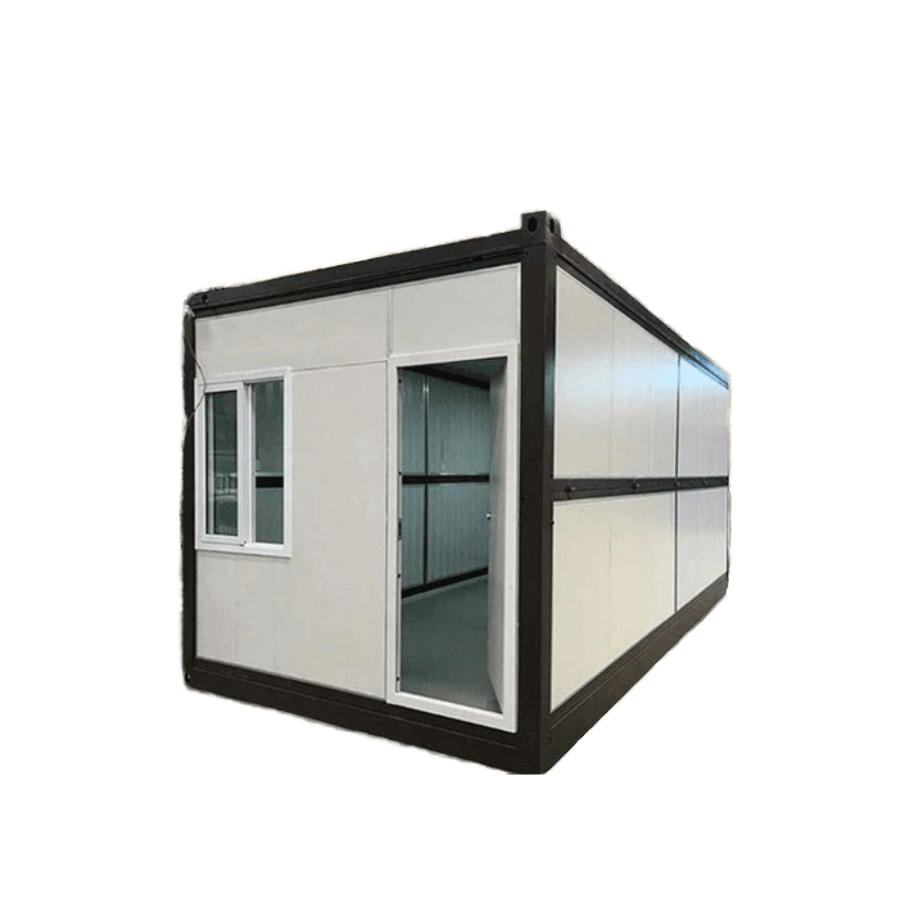
I. Select the Type Based on Usage Scenarios
Different scenarios have varying functional requirements for mobile toilets. Large-scale events (such as concerts and music festivals) require multi-stall models with partitions to handle high foot traffic. Construction sites or outdoor camping can opt for basic models with squat toilets and flushing systems, balancing practicality and cost. High-end weddings or scenic spots can customize luxury models to enhance the user experience and match the scene.
II. Pay Attention to Configuration Details
- Material: Prioritize stainless steel or thickened plastic shells, which are durable and corrosion-resistant, suitable for long-term outdoor use.
- Sewage Disposal Design: Mobile sewage outlets facilitate easier transportation and cleaning, reducing manual labor.
- Water and Electricity Supply: For temporary electricity needs, consider solar panel power to avoid the risk of tangled wires. If connecting to a water source, confirm the water source material (PVC or PPR) and the type of connection (faucet or pipe).
- Load-Bearing and Anti-Slip: On soft outdoor ground, choose models with anti-slip wheels and reinforced bases to prevent equipment from tipping over or being damaged.
III. Evaluate Rental Services
- Delivery Range: Confirm whether the service provider covers urban areas and surrounding townships to avoid usage disruptions due to delivery limitations.
- Cleaning Frequency: Clarify the number of daily cleanings and whether temporary additional staff will be provided during events to ensure hygiene standards are met.
- Emergency Response: Require the service provider to offer reinforcement or relocation plans for severe weather conditions like heavy rain or strong winds to reduce safety risks.
- Additional Services: Prioritize service providers that offer free maintenance and backup equipment to avoid event interruptions due to equipment failures.
IV. Inspect On-Site Conditions
- Access Restrictions: Confirm whether the site is a restricted area and the vehicle access requirements (such as vehicle type and height restrictions) to ensure smooth transportation and placement of the equipment.
- Ground Conditions: Check if the ground is flat and hard, and whether trucks and forklifts can pass, to avoid equipment placement issues due to ground problems.
- Water Source and Sewage Disposal: Measure the distance from the site to the water source and confirm whether water connection is needed. If on-site sewage disposal is not possible, plan the access route for fecal suction trucks.
V. Rental Duration and Sewage Disposal
- Rental Period: For temporary use, pay attention to the capacity of the fecal storage tank. For long-term use, confirm whether on-site discharge is possible or if regular cleaning is required.
- Sewage Disposal Feasibility: If there are no on-site sewage disposal conditions, plan the operating time for fecal suction trucks in advance to avoid usage disruptions.
VI. Cleaning Service Requirements
If cleaning services are required, confirm whether there are accommodation and dining facilities near the site and clarify the cleaning time requirements (such as daily cleaning periods and additional services during events).
VII. Usage Precautions
- Reasonable Location Selection: Keep away from construction dust and noise sources, ensure proper drainage to avoid water accumulation.
- Daily Maintenance: Regularly inspect the flushing system, electrical circuits, and doors and windows, and promptly clean garbage and stains.
- Safety Protection: Equip with anti-slip mats, handrails, and other facilities, and ensure they are securely installed to meet safety standards.
- Response to Severe Weather: Reinforce equipment before strong winds or heavy rain, and suspend use if necessary to prevent accidents.
You may also like

Portable Toilet Custom Explained: How to Choose the Right One
Read More
Top Portable Toilet Smart Manufacturers: How to Choose a Factory Partner
Read More
Portable Toilet Picture: Top Options & Considerations
Read More