
How to Renovate Mobile Toilets
The renovation of mobile toilets should be tailored to the specific usage scenarios (urban, rural, or homemade), focusing on optimizing appearance, upgrading functionality, adapting structures, and improving facilities.
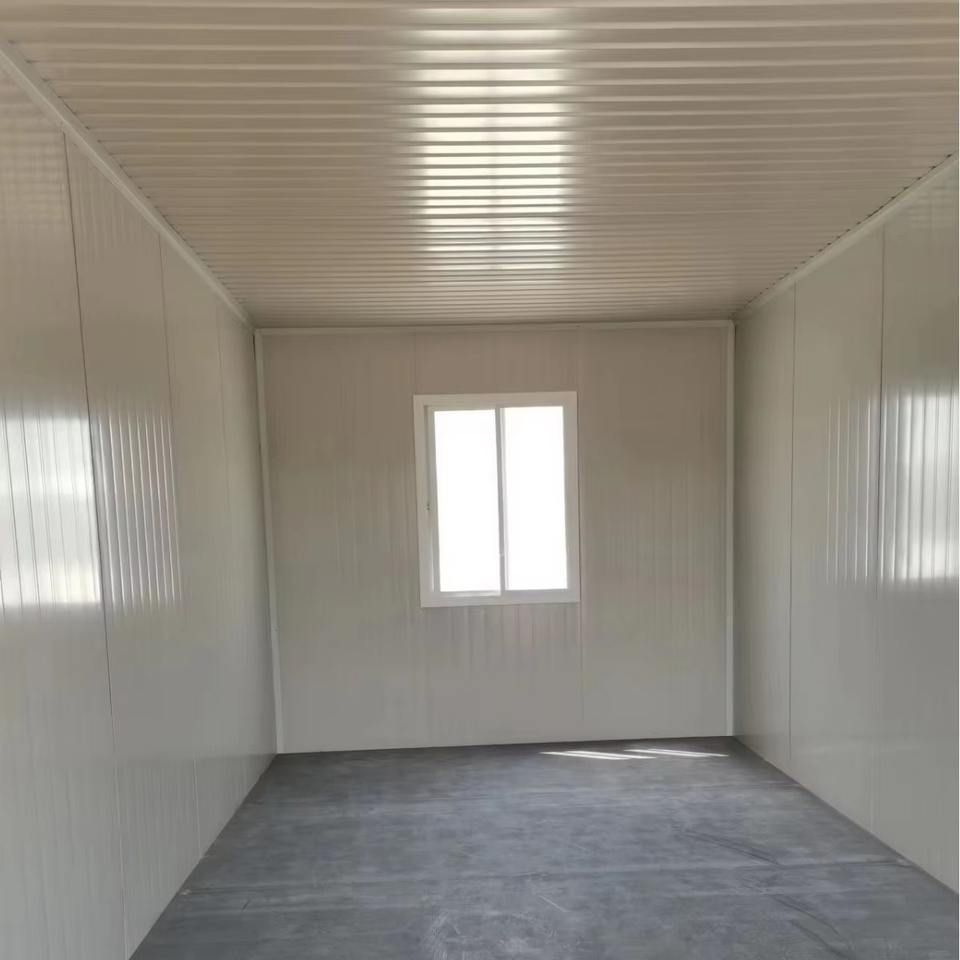
Urban Mobile Public Toilet Upgrades
1. Appearance Upgrade: Use soft color tones (such as light beige, light brown) as the base, paired with dark blue borders or local accents, to naturally blend the building with the surrounding environment and enhance visual comfort.
2. Functional Upgrades:
- Addition of a Third Restroom: Equip with barrier-free facilities (such as handrails, emergency call buttons) and child seats to meet the needs of the elderly, disabled individuals, and families with children.
- Expansion of Sanitation Services: Set up “Sanitation Stations” in some public toilets, equipped with refrigerators, microwaves, charging ports, and showers, providing temporary rest, hot meals, and charging facilities for sanitation workers.
Rural Mobile Toilet Renovation
1. Structural Design and Technical Optimization:
- Main Materials: Use galvanized steel frames with electrostatic spraying on the surface to form a rainproof, moisture-proof, and corrosion-resistant protective layer, extending service life.
- Ventilation and Deodorization: Design intake ports and chimneys internally, using natural ventilation combined with burner assistance to reduce odors; motor-driven basic functions with modular assembly technology for quick setup and portability.
2. Customized Adaptation: - Environmental Adaptability: Choose color-coated steel or stainless steel materials to suit different climatic conditions; add thicker insulation layers in cold northern regions and optimize burner fuel consumption in densely populated areas to balance energy consumption and deodorization effects.
- Parameter Adjustments: Intake port sizes, chimney heights, etc., can be customized according to actual needs, supporting customized appearances based on drawings.
- Noise Reduction Design: Adjust the noise reduction system to lower mechanical noise during equipment operation, enhancing the user experience.
Homemade Mobile Toilet Renovation (Using a Water Storage Tank as an Example)
1. Base Construction: Fix universal wheels at the four corners of the bottom of a plastic pallet for easy mobility.
2. Water Storage Tank Processing: Use an angle grinder to cut an opening at the top of the water storage tank, invert and stack two open tanks, and secure the outer frame with self-tapping screws.
3. Facility Installation:
- Drainage System: Cut a hole in the floor inside the tank, insert an elbow and connect it to a water pipe, seal the gaps, and cut off the excess.
- Toilet and Sink: Align the toilet with the drainage port and secure it with adhesive; fix the water pipe to the wall with clips, install a faucet, pipe caps, and a stainless steel basin sink, and create a drainage pipe outlet.
- Shower Facilities: Connect the toilet tank's inlet pipe to the shower hose, install a bracket and a showerhead.
4. Doorway and Door Construction: Cut a rectangular doorway in the tank and outer frame, make a door with wooden boards and hinges, and install handles.



