Does a Mobile Toilet Need Renovation?
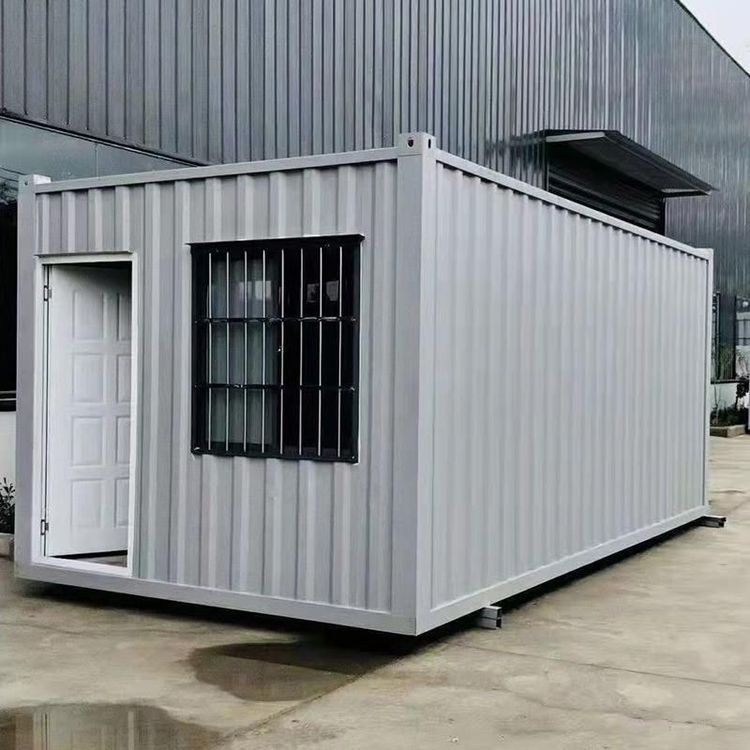
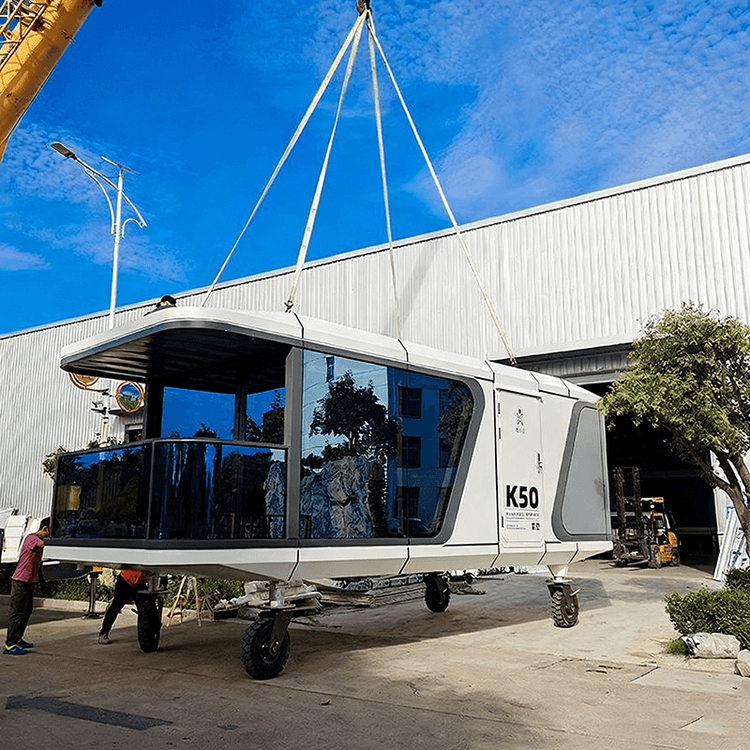
Mobile toilets generally require renovation, especially the high-end versions, as the renovation process is crucial for enhancing their user experience and quality.

Renovating a mobile toilet is not merely about decoration; it involves a comprehensive design that integrates functionality and comfort. The renovation primarily includes the following aspects:
1. Internal Facility Configuration
High-end mobile toilets are equipped with complete facilities such as sinks, mirrors, and antibacterial countertops. These facilities not only improve hygiene conditions but also enhance the sense of public service quality. For example, public toilets in scenic spots may optimize the spacing between squatting positions to ensure reasonable usage space, while construction site toilets focus on durability, using moisture-proof panels for walls and anti-slip tiles for floors to adapt to high-intensity usage scenarios.
2. Basic Equipment Installation
The renovation process includes the installation of basic equipment such as internal walls, doors and windows, and water and electricity facilities. These are essential for the normal operation of mobile toilets, and their installation quality directly affects usage safety and convenience. For instance, proper layout of water and electricity lines can prevent leaks or electrical failures, while the sealing of doors and windows affects ventilation and insulation.
3. Ventilation and Moisture-Proof Design
Renovation optimizes ventilation and moisture-proof performance based on different usage scenarios. For example, public toilets in scenic spots may reserve ventilation duct interfaces to maintain fresh air through natural or mechanical ventilation, while construction site toilets select moisture-proof panels and tiles to reduce damage to the structure in humid environments and extend service life.
4. Enhancement of Safety and Durability
The selection of renovation materials should consider both safety and durability. For example, antibacterial countertops can inhibit bacterial growth, and anti-slip floors reduce the risk of slipping, which are particularly important in public places. Additionally, construction site toilets may adopt reinforced structures or wear-resistant materials to withstand frequent relocation or high-intensity usage.
5. Scenario-Based Customization Needs
Different usage scenarios have varying renovation requirements. Public toilets in scenic spots may prioritize aesthetics and comfort, using soft lighting and eco-friendly materials, while construction site toilets focus on functionality, emphasizing the stability and ease of maintenance of equipment. This scenario-based customization is achieved through the renovation process, enabling mobile toilets to better adapt to specific environmental needs.
In conclusion, renovation is a key step in transforming a mobile toilet from merely 'usable' to 'user-friendly.' Its design must comprehensively consider functionality, safety, durability, and scenario adaptability to ultimately enhance the user experience and the overall quality of public services.