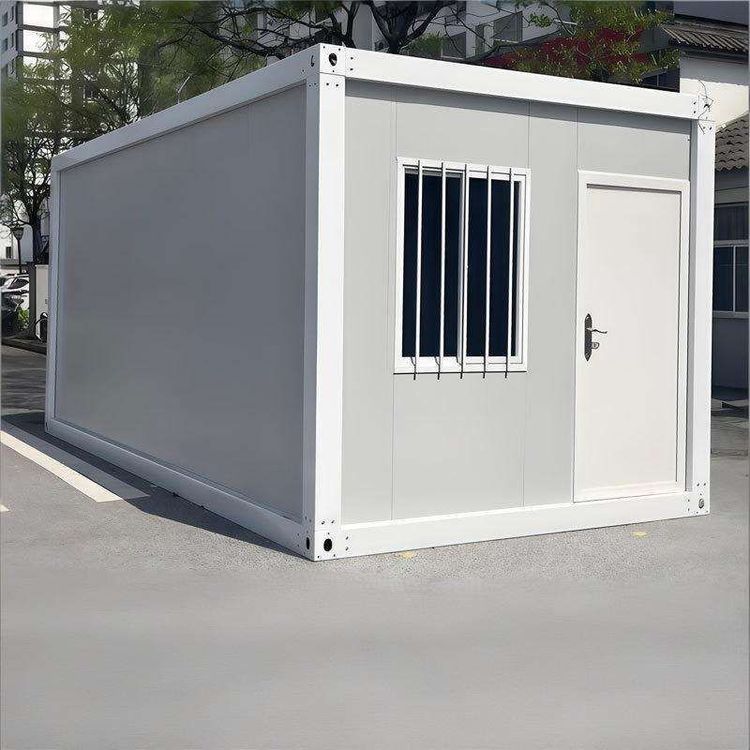
Mobile Toilet Reinforcement Rubber Strip
When reinforcing mobile toilets, rubber strips are mainly used for door and window sealing and structural reinforcement assistance, enhancing stability by filling gaps and reducing wind resistance.

Application of Rubber Strips in Door and Window Sealing Reinforcement
Door and window sealing is a crucial aspect of mobile toilet reinforcement, where rubber strips play a key role. First, it is necessary to check whether the original sealing rubber strips are aging. If there are signs of cracking, hardening, or reduced elasticity, the damaged parts should be replaced promptly to ensure sealing performance. When closing doors and windows, ensure that the locks are secure to prevent increased gaps due to loose locks. For gaps in doors and windows, windproof rubber strips can be used for filling. These rubber strips usually have good flexibility and sealing properties, effectively blocking wind and rain intrusion. In case of strong wind warnings, windproof baffles can also be installed on the inner side of the door to further reduce the impact of wind pressure on the toilet body. Rubber strips can also be used for sealing between the windproof baffles and doors and windows to enhance the overall windproof effect.
Auxiliary Role of Rubber Strips in Structural Reinforcement
In terms of structural reinforcement of mobile toilets, although rubber strips are not the main reinforcement materials, they can play an important auxiliary role. Windproof cables can be installed at connection points, and diagonal cables can be set at the top of the equipment to form triangular supports with ground fixed points, enhancing structural stability. At this time, flexible materials similar to sealing rubber strips can be used to fill structural gaps and reduce wind resistance. For example, using rubber strips to fill gaps at the connections between walls and frames, and at the contact points between support structures and the ground, can make the structure more compact, preventing structural loosening or wind penetration caused by gaps. Meanwhile, the flexible properties of rubber strips can also absorb vibrations to a certain extent, reducing structural stress caused by wind or other external forces and assisting in improving overall stability.
Considerations for Rubber Strip Selection and Use
When selecting rubber strips for reinforcement, it is necessary to choose according to specific usage scenarios and requirements. Door and window sealing rubber strips should have good sealing properties, weather resistance, and elasticity to ensure long-term use effects. Rubber strips for structural reinforcement assistance should have certain flexibility and durability to withstand certain external forces. When using rubber strips, ensure that they are installed firmly to avoid loosening or falling off. At the same time, regularly check the condition of the rubber strips and replace aging or damaged ones in a timely manner to ensure the reinforcement effect.