How to Use Quantifiers for Mobile Toilets
The use of quantifiers for mobile toilets should be determined based on the specific context, with common usages being 'ge' (a measure word for individual items) or 'zuo' (a measure word for buildings or structures). The specific rules are as follows:

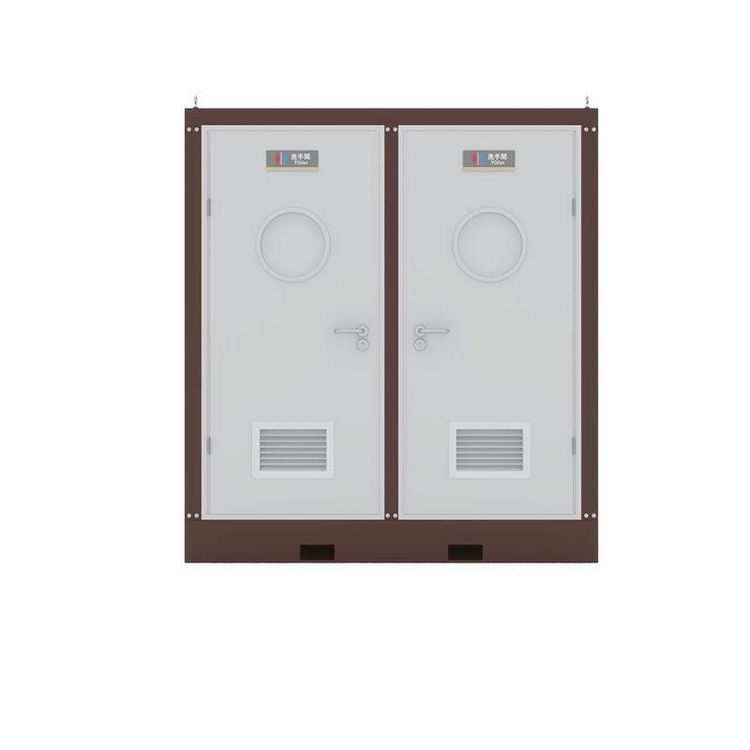
1. When emphasizing mobility or temporariness, prioritize using 'ge' When the temporary placement or movable characteristics of mobile toilets are highlighted, 'ge' is the most commonly used quantifier. For example, 'A mobile toilet has been set up at the street corner,' emphasizes its temporary setup and the ability to be relocated at any time; 'Three mobile toilets were temporarily deployed at the event site,' highlights its flexibility as an emergency facility. This usage aligns with everyday language habits and is suitable for most non-fixed scenarios.
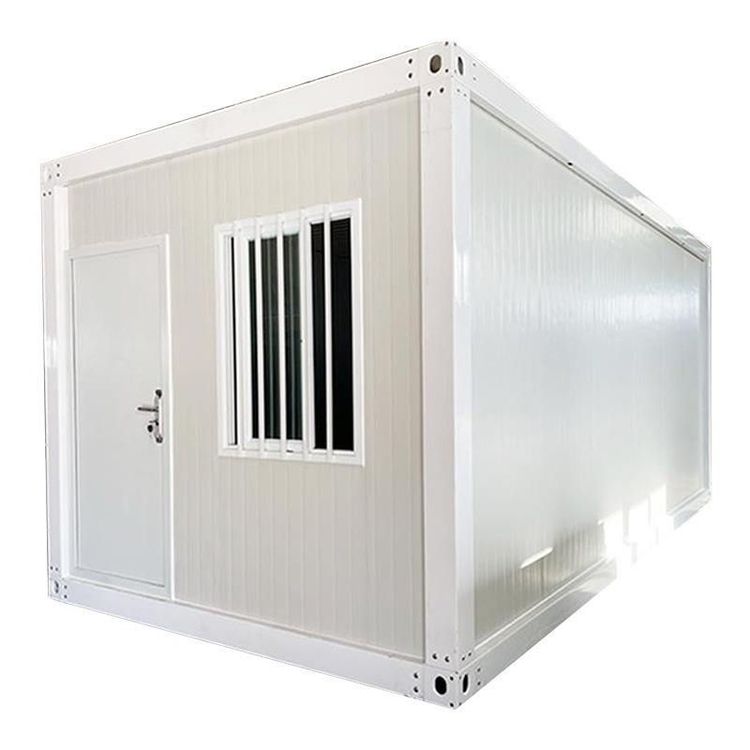
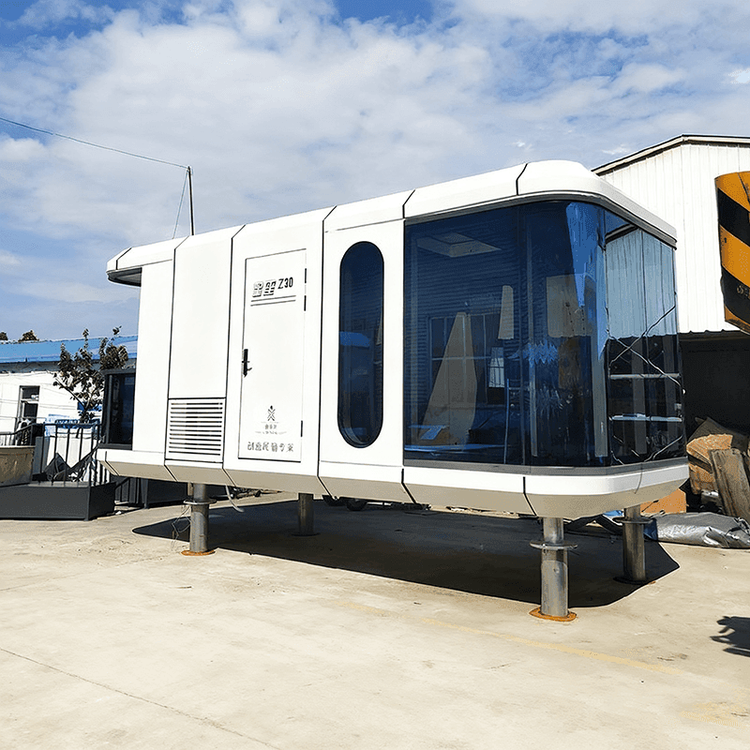
2. When serving as an independent building and meeting the attributes of a public toilet, 'zuo' can be used If a mobile toilet possesses characteristics of an independent building (such as a fixed foundation, larger scale, or long-term use) and functions similarly to a public toilet, it can be compared to traditional buildings and use 'zuo'. For example, 'Five mobile toilets were temporarily constructed on the construction site,' where 'zuo' emphasizes its stability as an independent facility; 'Two mobile toilets were planned in the scenic area,' highlights its fixedness as infrastructure. However, it should be noted that this usage requires two conditions: first, its physical form is close to that of an independent building; second, its usage period is relatively long or its function is positioned for long-term service.
3. Avoid using 'suo' 'Suo' is typically used for institutional places such as education and research institutions (e.g., 'school,' 'research institute') or specific functional buildings (e.g., 'police station,' 'clinic'), but it is not suitable for mobile toilets. For example, the expression 'one suo of mobile toilet' does not conform to language norms and can easily cause ambiguity.
Summary: The choice of quantifier should be based primarily on the context—use 'ge' for temporary and flexible scenarios; use 'zuo' for independent and long-term scenarios; avoid using 'suo'. Correct use of quantifiers not only accurately conveys information but also reflects language professionalism.