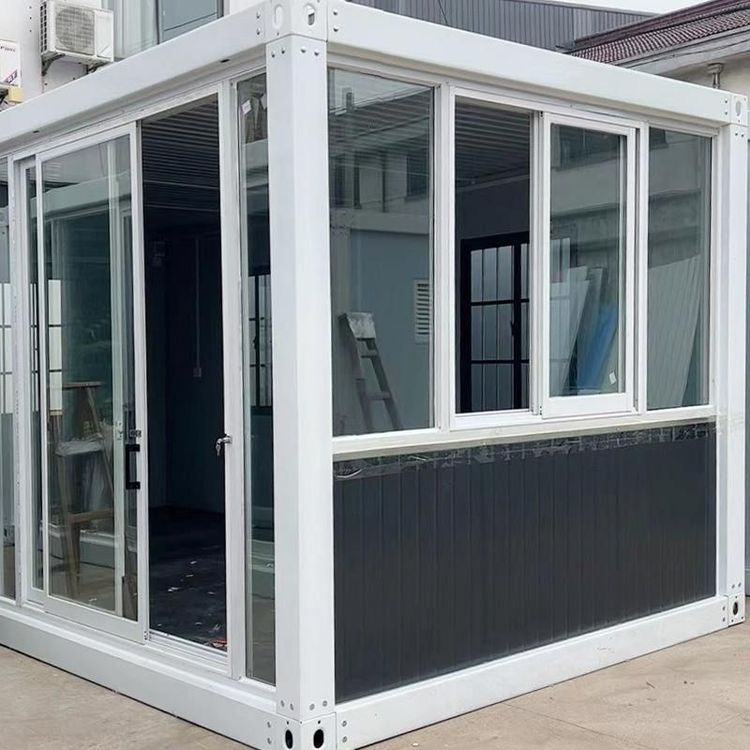
Mobile Toilet Quality Description
The quality of mobile toilets should be comprehensively evaluated from multiple dimensions, including structure and materials, sewage discharge systems, supporting facilities and functions, hygiene, environmental protection, comfort, convenience, and adaptability.

I. Structure and Material Standards High-quality mobile toilets often use hot-dip galvanized steel pipes or steel structures for their main frames, which offer high strength, corrosion resistance, and wind pressure resistance, ensuring no deformation during long-term use. For wall materials, the exterior walls commonly employ metal carved panels or color-steel composite panels, while the interior walls use easy-to-clean, moisture-resistant materials such as stone plastic panels and aluminum-plastic panels. The interior is filled with flame-retardant insulation materials like rock wool, addressing heat insulation, sound insulation, and fire prevention needs. The floor requires waterproof and anti-slip treatments, with anti-slip patterned aluminum panels or reinforced composite flooring being common choices to ensure safety during use.
II. Sewage Discharge System Standards The sewage discharge system directly affects hygiene and environmental protection. Water-flush direct-discharge types need to be connected to municipal pipelines, requiring stable and water-saving flushing systems. Waterless packaging or microbial degradation types are suitable for scenarios without sewage pipelines, necessitating good sealing, no odor leakage, and达标 (up-to-standard) degradation efficiency. Recirculating water flush types purify and reuse flushing water through biotechnology, requiring verification of water treatment purification effects and system stability.
III. Supporting Facilities and Function Standards The interior should be equipped with basic facilities such as exhaust fans, lighting, sinks, and mirrors, along with convenient amenities like storage racks, paper towel holders, and hooks. The ventilation system is crucial, requiring high-power exhaust fans or active fresh air systems to prevent odor accumulation. For electrical safety, all wiring should have moisture-proof, waterproof, and grounding protection functions to avoid electric shock risks.
IV. Hygiene, Environmental Protection, and Comfort Mobile toilets should have efficient drainage systems to ensure timely discharge of waste, reducing environmental pollution. The interior space should be adequate, with good ventilation and lighting. Facility heights and widths should conform to ergonomic principles to enhance user comfort.
V. Convenience and Adaptability Mobile toilets should be easy to move and install, adapting to the needs of different venues (such as scenic spots, construction sites, and temporary events). Maintenance should also be simple, for example, the sewage discharge system should be easy to clean, and materials should be wear-resistant to reduce long-term maintenance costs.
VI. Relevant Certifications and Implementation Standards Production should comply with national standards such as GB/T 18092-2000 Waterless Flush Toilets and CJ/T 378-2011 Portable Toilets, ensuring that design, materials, and performance meet industry specifications.