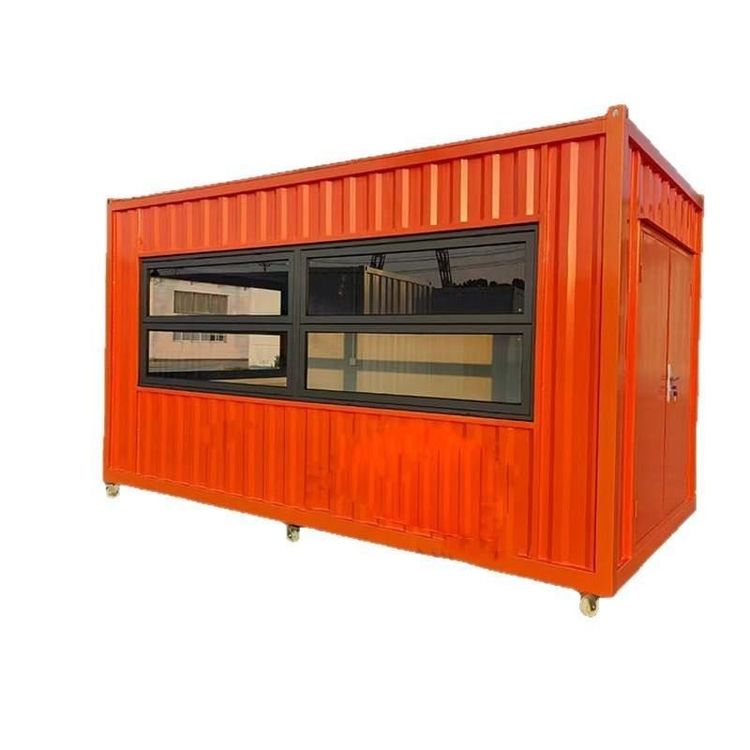
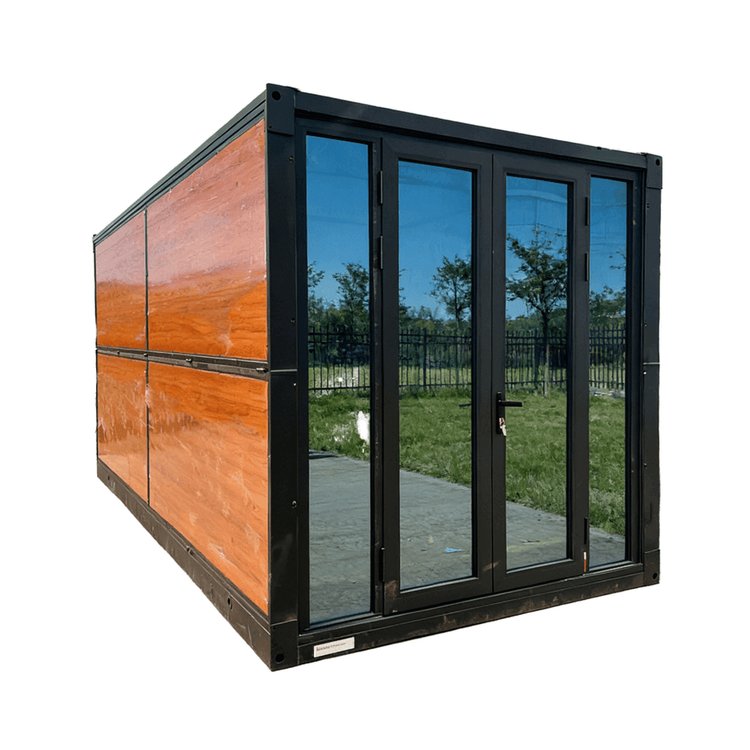
Mobile Toilet Procurement Plan
The mobile toilet procurement plan needs to be formulated comprehensively based on project requirements, budget, procurement methods, and qualification requirements. The following provides references from different dimensions:

I. Selection of Procurement Methods
Flexibly choose procurement methods based on project scale and budget. If the budget is clear and cost control is required, competitive negotiation can be adopted (e.g., the Qinghai Fengye project, with a budget of 720,000 yuan for the procurement of 4 mobile toilets), which is suitable for scenarios with complex technology or requiring multiple rounds of negotiation. If the budget is low and requirements are clear, inquiry can be selected (e.g., the Hubei Bureau 338 project, with a budget of 0 yuan but detailed requirements in the documents), to quickly determine suppliers through price comparison. If the project scale is large and the budget is sufficient (e.g., the Xichuan County project with a contract amount of 1,664,000 yuan), open bidding is more in line with the principle of fair competition and can attract more high-quality suppliers to participate.
II. Budget and Cost Control
It is necessary to clarify the budget ceiling and funding sources. For example, the Qinghai Fengye project sets a maximum price limit of 720,000 yuan to avoid overspending. The 2026 Fuyong Street project has a budget of 1,280,000 yuan and explicitly does not accept imported products. The requirement for localization should be noted in the bidding documents to control costs. If the budget is limited, reference can be made to the Hubei Bureau 338 project, which compresses prices through inquiry but needs to ensure that the procurement documents list detailed technical parameters to avoid quality risks due to low prices.
III. Supplier Qualification Review
Strictly reviewing supplier qualifications is crucial for ensuring project quality. All projects require suppliers to comply with Article 22 of the Government Procurement Law and provide materials such as business licenses, financial reports, and tax payment certificates. Special requirements need to be focused on: For example, the Qinghai Fengye project prohibits joint bidding and requires the provision of a screenshot of no bad records on "Credit China". The Hubei Bureau 338 project requires suppliers to have no major illegal records in the past 3 years. The Fuyong Street project specifies that only one of the head office and branches can bid and requires the provision of an authorization letter. These clauses can effectively avoid cooperation risks.
IV. Contract Performance and Acceptance
It is necessary to clarify the performance period and acceptance criteria. The Xichuan County project requires completion within 30 calendar days after contract signing, which is suitable for urgent needs. The Qinghai Fengye project does not specify the performance period and needs to be supplemented in the negotiation documents. The Hubei Bureau 338 project takes "completion acceptance as qualified" as the node and needs to refine the acceptance process in the procurement documents. In addition, the Fuyong Street project requires suppliers to fill in the "SME Declaration Form" to implement government procurement policies. Such clauses need to be planned in advance according to the project nature.
V. Document Acquisition and Bidding Process
It is necessary to standardize the document acquisition and bidding methods. The Qinghai Fengye project acquires documents online through the Zhengcaiyun platform, with the response document submission deadline at 09:30 on October 27, 2025. The Hubei Bureau 338 project provides an electronic link to download documents, with the deadline at 09:30 on November 3, 2025. Time nodes must be strictly observed to avoid bid rejection due to overdue submission.