Principles of Mobile Toilets
The principles of mobile toilets vary depending on the type, mainly divided into two types: ordinary mobile toilets and Dutch lifting mobile toilets, as detailed below:
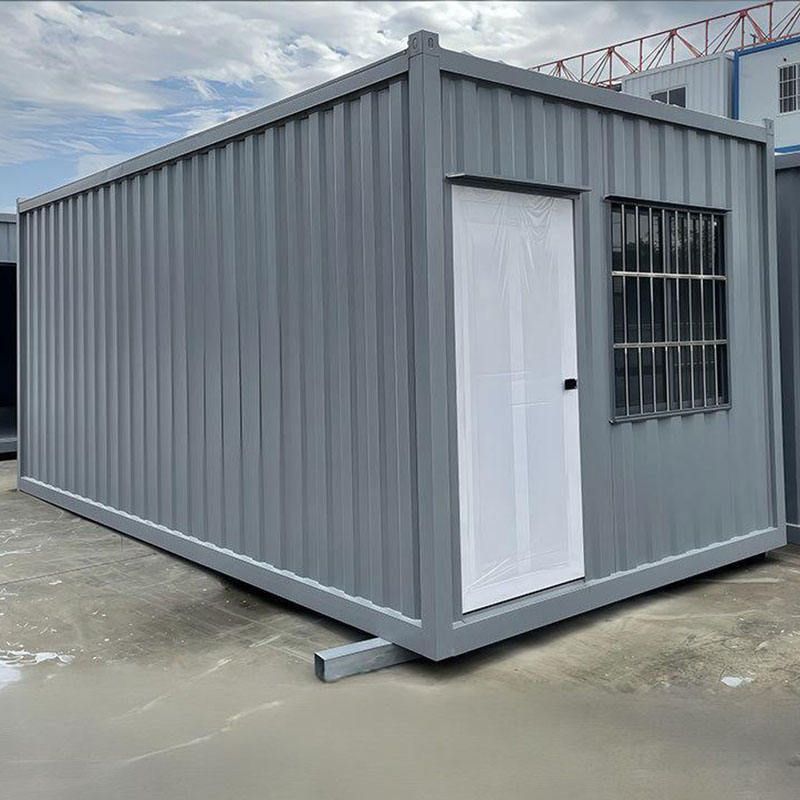
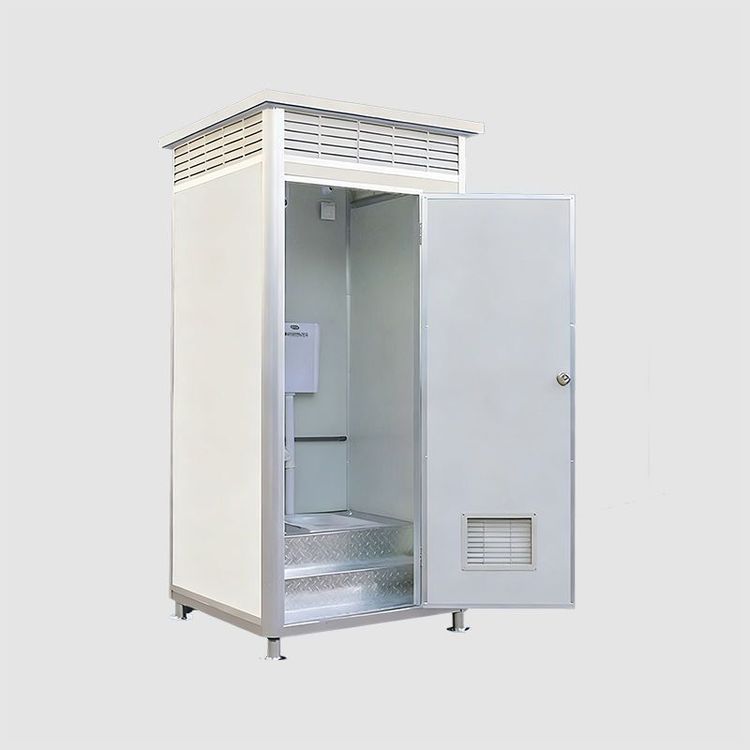
Taking the ordinary mobile toilet with a seated storage system as an example, its structural layout is relatively clear. The hand-washing basin is typically located on the left side, allowing users to fill it with water by turning the tap to meet daily hand-washing needs. Below the hand-washing basin, there is a foot-operated water outlet device for convenient drainage. The freshwater tank, on the other hand, is situated on the front right side, also filled by turning the tap, providing water for toilet cleaning and other purposes. This type of mobile toilet offers unique advantages in construction, eliminating the need for traditional civil engineering work. It is installed as a finished product, with a relatively simple assembly process akin to building with blocks. It is supported by columns and fixed through splicing, ready for use immediately after installation. This significantly saves construction time and costs, while offering high flexibility for relocation and adjustment according to actual needs.
The design of the Dutch lifting mobile toilet is more sophisticated and intelligent. The toilet body is made of stainless steel, featuring durability and corrosion resistance, enabling it to adapt to various environmental conditions. It comes with a built-in hydraulic system, operating similarly to an elevator shaft. During the day, the entire toilet is completely hidden underground, not affecting the normal use and aesthetics of the ground surface. At 11 p.m., the toilet pops up from the ground on time, providing convenience for nighttime travelers. By 4 a.m., it automatically sinks back underground, with the manhole cover closing tightly to ensure ground flatness and safety. The toilet, when raised at night, includes compartments, and a red door handle indicates that it is in use, facilitating identification by other users. Additionally, in the morning, cleaning staff can directly flush the ground to maintain toilet cleanliness. The entire device is buried 1.5 meters underground, and the slots automatically lock when raised, ensuring stability during use.