
Mobile Toilet Pit Design
The design of the toilet pits in mobile toilets varies depending on the type and sewage treatment method. Modern designs place greater emphasis on hygiene, convenience, and environmental protection, with traditional pit forms being less commonly used directly.
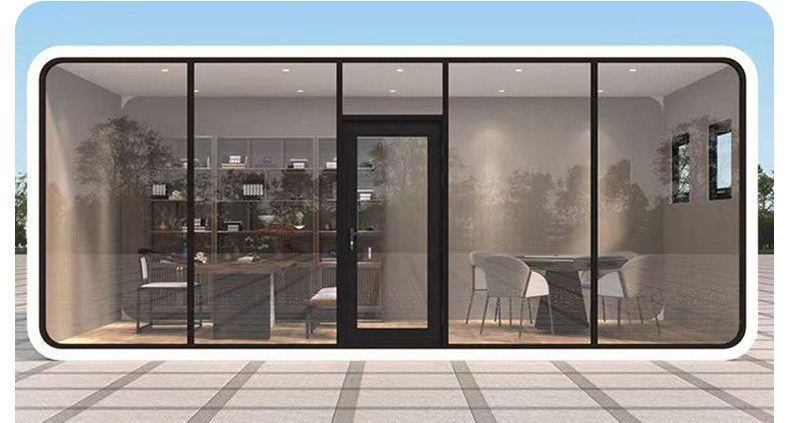
In terms of material evolution, traditional mobile toilets initially used materials such as wood, which had a simple structure, easily absorbed odors, and had poor sanitary conditions. With technological advancements, modern materials such as fiberglass-reinforced plastic and polyethylene have gradually been adopted. These materials are corrosion-resistant, easy to clean, and have good sealing properties, effectively improving the overall performance of the toilets.
Based on sewage treatment methods, mobile toilets can be mainly classified into the following types, each with distinct pit design features:
Water-flush and waterless suction types: These toilets are typically equipped with a flushing system that uses water flow to flush feces into underground or sewage collection tanks. Their pit designs are similar to traditional toilets but feature more sealed structures to prevent odor emission. The waterless suction type uses vacuum pumps and other equipment to suction feces into sewage collection tanks, reducing water consumption and being suitable for water-scarce areas.
Recirculating water-flush type: This type of toilet uses biodegradation or chemical treatment technologies to purify sewage and recirculate it for flushing. Its pit design needs to consider the circulation path of water flow and the layout of purification devices to ensure efficient sewage treatment and reuse.
Dry-packing type: These toilets use biodegradable packing bags to collect feces without the need for flushing, reducing water consumption and sewage discharge. Their pit designs are similar to collection containers and are equipped with automatic packing devices that seal and pack feces after use for easy subsequent treatment.
For outdoor or simple mobile toilets, some designs may reference traditional pit forms but are constructed using color-coated steel or integrated panels, with modern facilities such as toilets and washbasins installed inside to enhance the user experience. On the other hand, movable temporary public toilets usually have built-in independent wastewater tanks and flushing systems, featuring modular designs with high-strength engineering plastics or metal materials for the main frame, corrosion-resistant panels for the outer layer, compact internal space but complete functions, and standard flushing toilets instead of traditional pits.
You may also like

Portable Toilet Used in 2026: Buying Guide & Recommendations
Read More
Portable Toilet Custom Explained: How to Choose the Right One
Read More
Top Portable Toilet Smart Manufacturers: How to Choose a Factory Partner
Read More