Back to blog
Article
Mobile Toilet Packing and Shipping Process
Admin October 22, 2026
The mobile toilet packing and shipping process mainly includes three stages: preparation before transportation, precautions during transportation, and placement after transportation, as detailed below:

Preparation Before Transportation
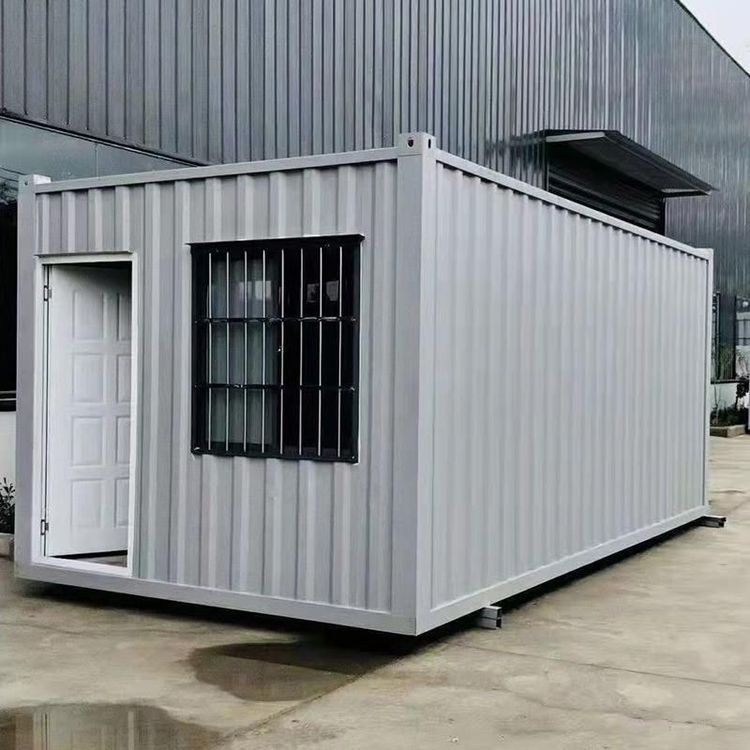
- Assess the Overall Structure: Conduct a comprehensive assessment of the mobile toilet's dimensions, weight, and material properties. Common products often use lightweight composite materials, but customized products may have increased volume and weight due to functional requirements (such as adding water storage capacity or smart devices), necessitating adjustments to the transportation plan based on the actual situation.
- Select Transportation Vehicles: Match vehicles according to equipment specifications. Flatbed trucks are suitable for regular-sized units, while specialized trailers are used for extra-long or overweight equipment. Ensure the vehicle's load capacity matches the total weight of the equipment to avoid overloading risks.
- Secure Internal Components: Use straps, foam pads, and other materials to secure internal components such as water storage devices, sewage pipes, doors, and windows to prevent shifting or collision during transportation. For smart mobile toilets, additional moisture-proof and shock-proof measures are required, such as wrapping with moisture-proof film or filling with shock-absorbing materials to protect electronic components from damage.
- Plan Routes and Timing: Survey routes in advance to avoid height and width restrictions on urban roads and peak traffic hours. For long-distance transportation, select operating times based on weather forecasts to avoid adverse weather conditions such as heavy rain or strong winds affecting transportation safety.
Precautions During Transportation
- Proper Loading: Place the equipment steadily on the transportation vehicle and securely connect it to the vehicle base using nylon straps or metal fasteners to prevent sliding or tilting. If stacking is required, use isolation brackets to separate the equipment and avoid direct surface contact that could cause wear.
- Smooth Driving: Drivers should maintain a constant speed, avoid sudden braking or sharp turns, and prioritize main roads with good road conditions. When passing through bumpy sections, slow down in advance to reduce equipment vibration.
- Regular Inspections: Check the equipment's securing status, vehicle tires, and braking system at regular intervals or mileage to ensure no loosening or malfunctions. For long-distance transportation, monitor the equipment's exterior for contamination or corrosion caused by environmental factors such as sandstorms or rain, and take protective measures promptly (such as covering with a waterproof cloth).
Placement After Transportation
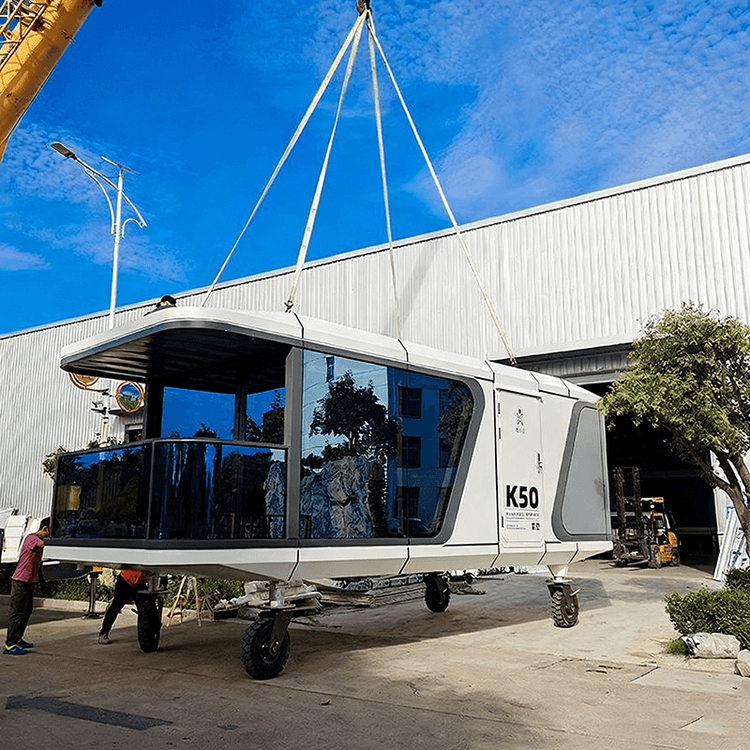
- Unloading: Use professional tools such as forklifts or cranes to complete unloading. Operators must ensure the equipment lands steadily to avoid structural damage from severe impacts.
- Inspection: Conduct a comprehensive inspection of the mobile toilet, focusing on confirming the integrity of internal pipes, circuits, and sanitary facilities. If any damage caused during transportation is found (such as pipe ruptures or circuit shorts), record it immediately and contact the transportation provider or insurance company for negotiation and resolution.