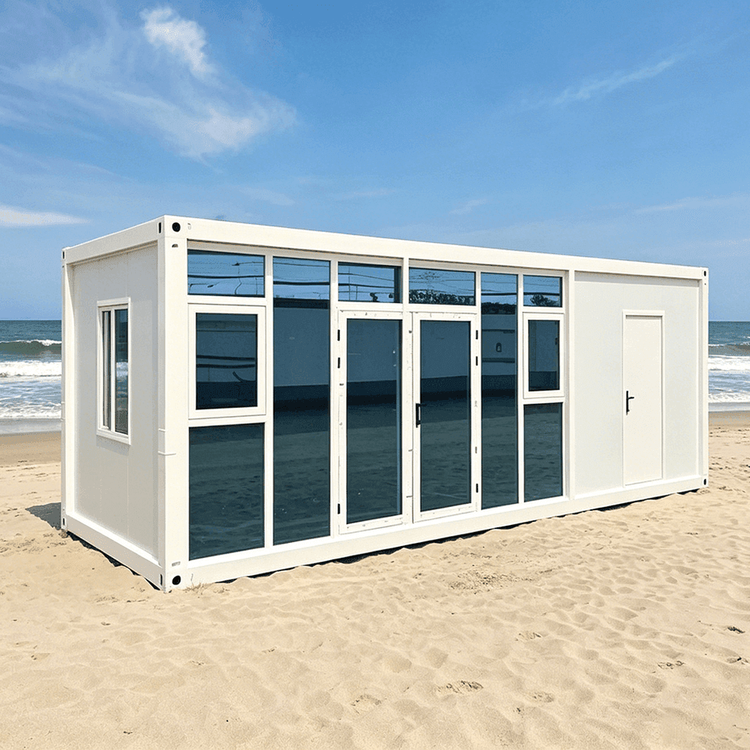
Mobile Toilet Outdoor Transparent Window
The design of outdoor transparent windows for mobile toilets needs to balance daylighting and privacy protection
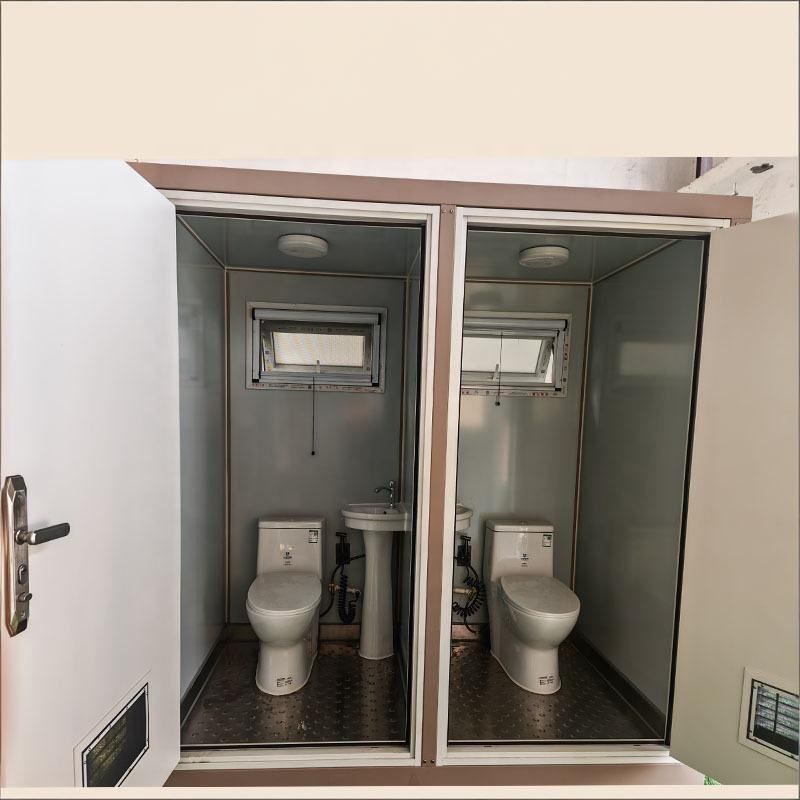
The main purpose of installing transparent windows in mobile toilets outdoors is to enhance internal daylighting and improve the user experience. For example, the Apple Cabin toilet, which covers an area of 30 square meters, features two arc-shaped transparent windows at the front. These windows not only allow natural light to enter but also reduce the possibility of direct external views through the arc-shaped structure, demonstrating a balance between functionality and privacy. However, some mobile toilets have flaws in their transparent window designs. For instance, in a case in Henan, the upper part of the toilet featured unobstructed transparent windows, making it easy for the public to be observed while using the facilities, leading to privacy breaches. This phenomenon indicates that transparent window designs must strictly adhere to the following principles:
1. Privacy Protection as a Priority
The materials and positions of transparent windows should avoid directly exposing users. Semi-transparent materials such as frosted glass, window films, or blinds can be used to allow light transmission while blurring the view. For example, the arc-shaped windows of the Apple Cabin toilet may be treated with special glass to reduce transparency while ensuring daylighting. If transparent glass is used, adjustable shading devices such as curtains or electric sunshades must be installed to allow users to control light and privacy according to their needs.
2. Rational Planning of Window Positions and Angles
Transparent windows should avoid the line of sight of frequently active areas. For example, placing windows at higher positions (such as the top or upper sides) and using angled designs can make it difficult for external observers to see inside. The issue in the Henan case was that the windows were located in the upper part without any shading. Adjusting them to an angled installation or increasing their height could effectively reduce privacy risks.
3. Selecting Window Types Based on Functional Needs
Choose window forms according to the usage scenarios of mobile toilets. Toilets in public areas can prioritize small, high-positioned fixed transparent windows, supplemented by internal lighting. For scenic spots or temporary event venues, operable transparent windows can be designed to meet ventilation needs, but they must be equipped with locks to prevent accidental opening.
4. Referencing Industry Standards and User Feedback
Before designing, research successful cases (such as the Apple Cabin toilet) and failed lessons (such as the Henan case) of similar products to clarify users' core needs for privacy, daylighting, and ventilation. Additionally, evaluate the actual effects of transparent window designs under different lighting conditions through simulation tests or on-site observations to ensure both functionality and privacy are guaranteed.
Transparent windows are a crucial aspect of mobile toilet design. Through material selection, position planning, type matching, and standard referencing, a balance between daylighting optimization and privacy protection can be achieved, avoiding embarrassment or social disputes caused by design oversights.
You may also like
Standard Portable Toilet Specifications Model Dimensions: What to Know
Read More
House Reviewed: Best Picks & Tips
Read More
Portable Toilet Eco-Friendly Specifications Sizes & Dimensions: A Complete Guide
Read More