Mobile Toilet Outdoor Service
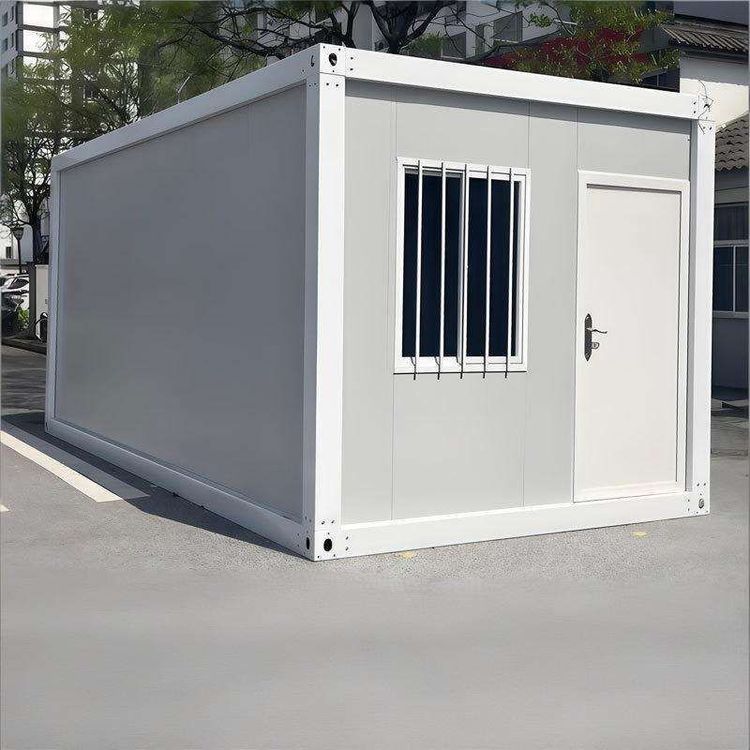
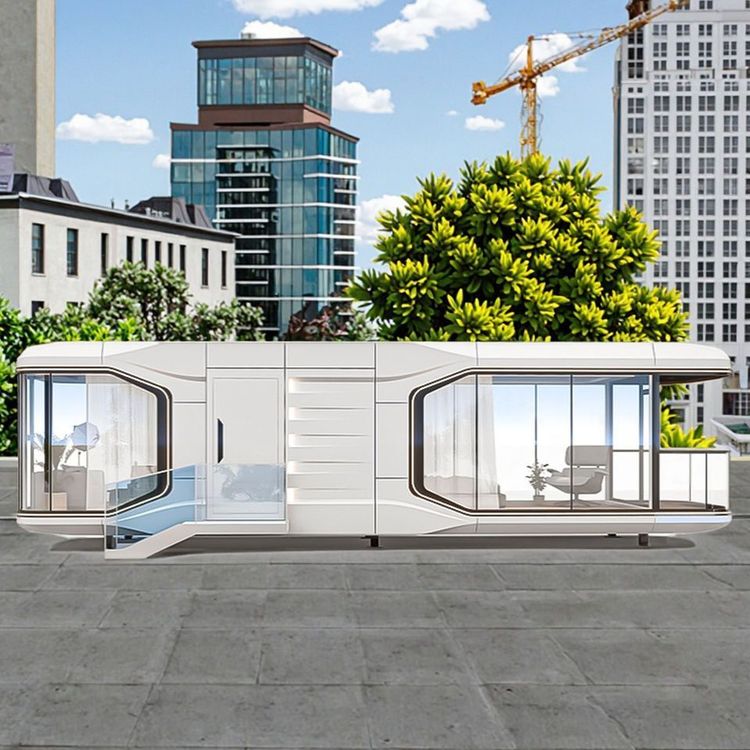
Mobile toilets can provide convenient toilet services for a variety of outdoor scenarios.

I. Applicable Scenarios Mobile toilets are suitable for outdoor environments such as stations, docks, tourist attractions, villa areas, newly built residential communities, large construction sites, squares, densely populated public places, and bustling commercial streets. For example, in 2023, the Lanzhou Yellow River Scenic Area met the needs of tourists by installing mobile toilets; Dezhou Hongtu Metal Products Co., Ltd. customized apple-pod-shaped mobile toilets for a strawberry base and provided four-squat-position products for scenic area campsites; Hebei Jijie Environmental Protection Equipment Leasing Co., Ltd.'s mobile toilets have served temporary or fixed scenarios such as product launches, groundbreaking ceremonies, construction projects, parking lots, international events, construction sites, and food stalls. These cases demonstrate that mobile toilets can meet both short-term event needs and serve as long-term public facility supplements.
II. Structural Composition and Classification Mobile toilets consist of modules such as fecal sewage storage tanks (or disposal units), floor slabs, sanitary ware, walls, washing equipment, water tanks, roofs, and mobile devices. Based on structural form, they can be divided into single-unit structures (independent units) and composite structures (multi-unit combinations); by mobility method, they are classified as lifting and handling types (requiring mechanical assistance) and powered towing types (self-towable); and according to sewage treatment method, they include flush types (relying on water sources), waterless suction types (vacuum sewage suction), recirculating flush types (sewage purification and reuse), and dry packing types (fecal seal collection). This diverse design enables them to adapt to different environmental conditions.
III. Core Advantages The core value of mobile toilets lies in their mobility, combinability, and reusability. Through modular design, toilets can be quickly disassembled, assembled, and transported to target locations, such as through trucks or trailers for cross-regional allocation; composite structure products can also flexibly increase or decrease squat positions based on foot traffic. Additionally, their materials are mostly lightweight and corrosion-resistant, reducing transportation costs and extending service life. Compared to traditional fixed toilets, mobile toilets do not require complex civil engineering projects, significantly shortening construction periods, and are particularly suitable for emergency scenarios or temporary events.