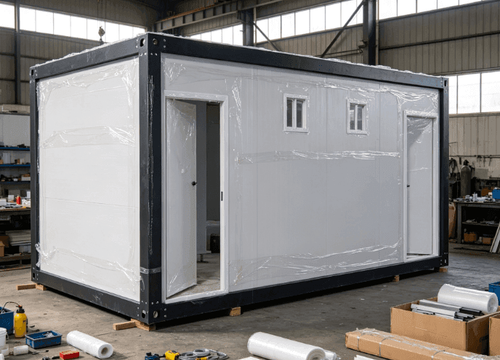
Mobile Toilet Odor Prevention
Mobile toilet odor prevention is mainly achieved through technologies such as material optimization, biological treatment, microbial degradation, and intelligent monitoring. The specific methods are as follows:

1. Combination of High-Quality Materials and Flushing Facilities
Portable direct-discharge restrooms are manufactured using high-quality plastic materials, which are corrosion-resistant and easy to clean, reducing odor generation caused by fecal residue. The built-in flushing facilities quickly remove waste through water flow, preventing solid waste from lingering and producing irritating gases like ammonia and hydrogen sulfide. The flushing system is typically designed to be high-pressure or water-saving, ensuring both cleaning effectiveness and reduced water consumption.
2. Biological Treatment and Intelligent Foam Sealing Technology
Some mobile toilets incorporate biological treatment and intelligent control technologies, creating a foam sealing layer on the toilet surface to achieve multiple functions:
- Odor Isolation: The foam layer covers the fecal surface, blocking odor molecules from volatilizing into the air;
- Reduced Flushing: The lubricating effect of the foam reduces waste adhesion, allowing for a 70% reduction in flushing frequency and indirectly lowering odor generation;
- Fragrance Function: Foam liquid can be infused with scents like rose or osmanthus to mask residual odors with pleasant fragrances;
- Splash Prevention and Self-Cleaning: The foam cushion reduces fecal splatter while inhibiting bacterial growth, addressing odor sources at the root.
3. Microbial Degradation and Zero-Discharge Technology
Prefabricated public restrooms, represented by Zhongyunhui, utilize microbial degradation technology, with the following core principles:
- No Dependence on Sewer Networks: Fecal matter is decomposed by microbial colonies into water and carbon dioxide, achieving “zero discharge” and avoiding odors caused by sewage retention in traditional toilets;
- Intelligent Monitoring and Bacterial Inoculation: An built-in automatic ammonia concentration monitoring system continuously detects odor indicators, automatically releasing targeted bacterial strains when concentrations exceed standards to accelerate organic decomposition and neutralize odors;
- Air Quality Optimization: Negative-pressure ventilation or air purification devices ensure that air quality metrics (such as ammonia and hydrogen sulfide concentrations) in the restroom remain at excellent levels.
Technology Selection Recommendations:
- For short-term use scenarios (e.g., exhibitions, construction sites), flush-type or foam-sealed toilets are recommended for their balance of cost and odor control effectiveness;
- For long-term, sewer-free areas (e.g., scenic spots, remote regions), microbial degradation toilets are advised to address odor issues at the source.