Mobile Toilet Freeze Prevention in Northeast China
In Northeast China, the freeze-prevention design of mobile toilets needs to focus on thermal insulation and cold resistance performance, materials and craftsmanship, as well as intelligent freeze-prevention technology to ensure their normal use in low-temperature environments.
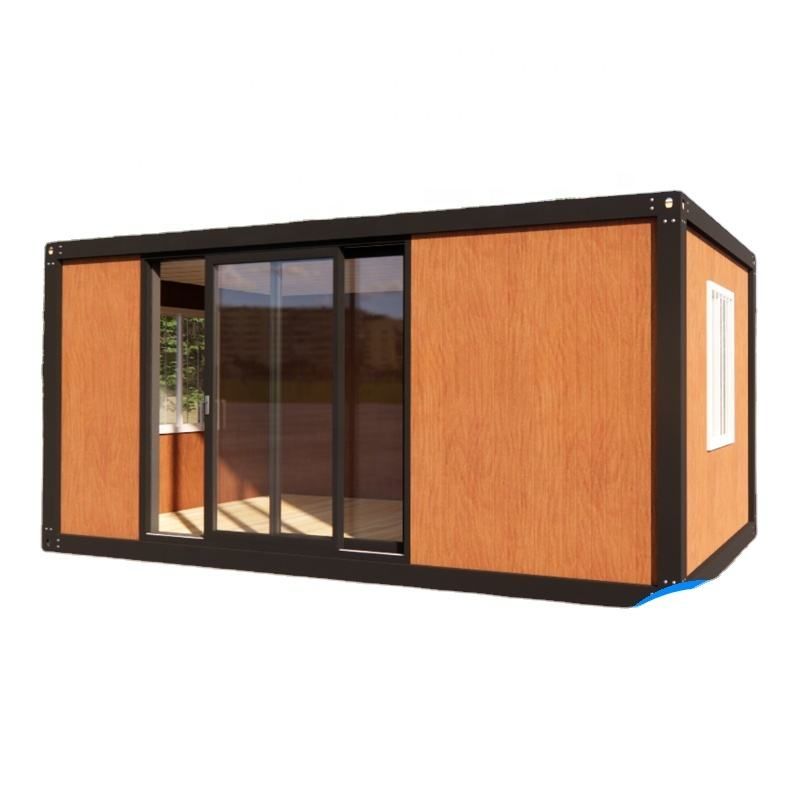
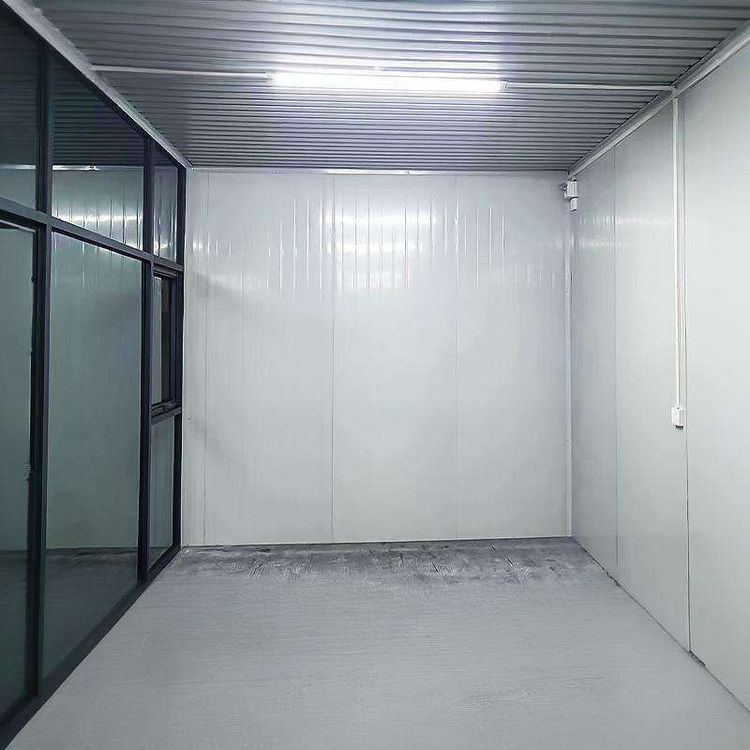
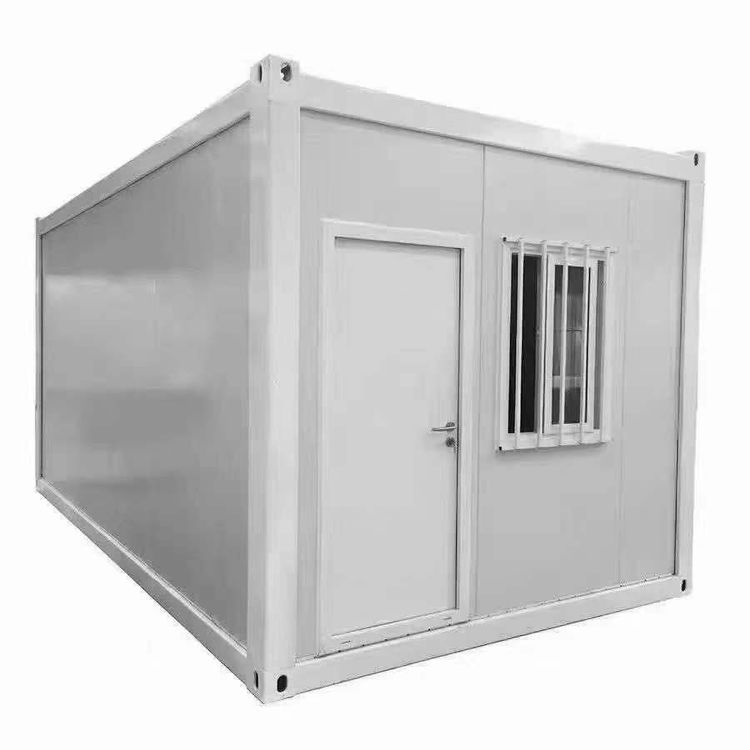
Thermal insulation and cold resistance performance are core indicators. In winter in Northeast China, temperatures often drop below minus 30℃. Mobile toilets need to achieve efficient thermal insulation through structural and material design. For example, using a thickened steel structure frame combined with a high-density insulation layer (such as polyurethane foam material) can effectively block the invasion of external low temperatures. Polyurethane foam has better insulation performance than ordinary materials and has strong sealing properties, which can reduce the generation of condensed water and avoid equipment damage caused by internal condensation. In addition, the interior is equipped with an intelligent temperature control system that can automatically adjust the heating power according to the ambient temperature to ensure that the toilet temperature is maintained within a comfortable range (such as above 5℃), avoiding equipment freezing or user discomfort due to low temperatures.
Materials and craftsmanship directly affect the freeze-prevention effect and service life. The steel structure frame needs to undergo hot-dip galvanizing or sandblasting and rust removal treatment to enhance its corrosion resistance. The high-humidity and freeze-thaw alternating environment in Northeast China can accelerate metal corrosion. An untreated frame may show structural damage within two or three years. In terms of wall panels, metal carved panels have more advantages than ordinary color-coated steel tiles. They have stronger corrosion resistance and impact resistance, and their integrated design of insulation and aesthetics better meets freeze-prevention requirements. In addition, the door and window seals need to use low-temperature-resistant materials (such as silicone) to avoid air leakage caused by low-temperature hardening, further reducing the thermal insulation performance.
Intelligent freeze-prevention technology is the key to solving freeze-blockage problems. In low-temperature environments, pipe freezing or blockage is a common problem, which needs to be solved through the coordinated use of electric tracing heating insulation technology and intelligent drainage design. The electric tracing heating system can be laid along the pipes to prevent liquid freezing through continuous heating; the intelligent drainage design monitors the pipe temperature through sensors and automatically starts the drainage process to avoid the freezing of residual water. For example, some products use induction switches, allowing users to complete operations without touching the equipment, reducing heat loss caused by frequent switching and lowering the risk of freeze-blockage at the same time. Such technology can ensure the stable operation of mobile toilets in outdoor environments at minus thirty degrees.