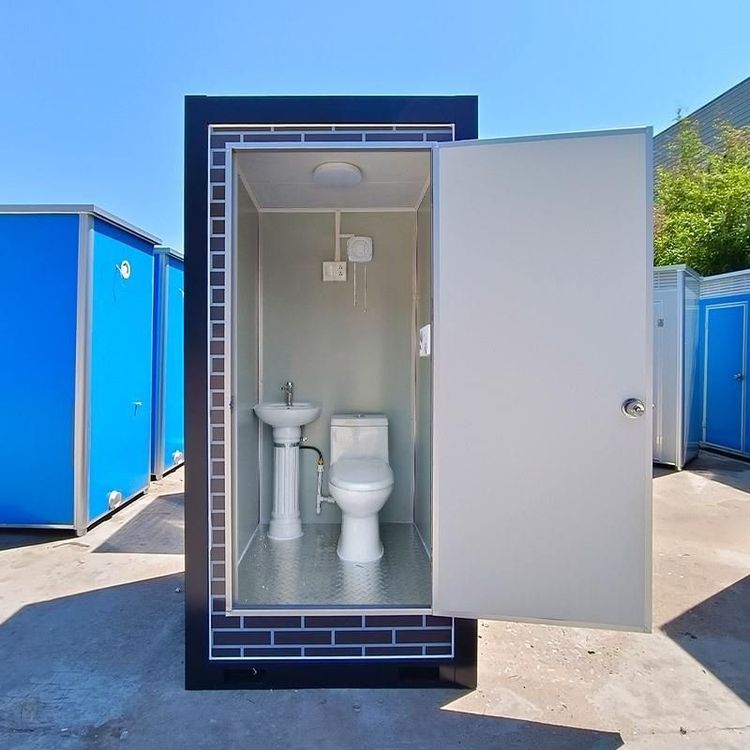
Mobile Toilet Without Water Flush
The types of mobile toilets that do not require water flushing are commonly known as waterless mobile toilets or mobile waterless toilets. They handle or collect waste through non-traditional water-flushing methods.

Working Principles
- Packaging Technology: Excrement is sealed in biodegradable plastic bags through mechanical devices, isolating it from the external environment. The collected plastic bags can be transported to designated locations for unified treatment, avoiding direct pollution to the environment.
- Biodegradation: Specific microbial strains are used to decompose excrement under suitable conditions. Microorganisms convert organic matter into water and carbon dioxide through metabolic activities, partially achieving waste reduction and harmlessness, and reducing reliance on traditional treatment methods.
- Composting: Organic waste is decomposed by microorganisms, producing carbon dioxide and water vapor during the process. The final product is humus, rich in organic matter and nutrients, which can be used for soil improvement, achieving resource recycling.
- Incineration: Waste is converted into ash through high-temperature incineration. The treatment process is fast and hygienic, effectively reducing waste volume and pathogen content, but it requires electricity or fuel, increasing operational costs.
- Chemical Treatment: Chemical agents are used to disinfect and decompose waste. Chemical agents can destroy the organic structure in excrement and inhibit microbial growth, but they require regular replacement and may involve environmental impact issues related to chemical treatment.
- Circulating Filtration and Chemical Treatment: The liquid part is purified through filtration and chemical treatment and then used for toilet flushing in a循环 (circulating) manner, achieving water reuse. The solid part is separated and stored, and cleaned regularly, reducing the demand for fresh water.
Application Scenarios and Advantages and Disadvantages
Waterless mobile toilets are widely used in scenarios lacking water supply and drainage networks, such as outdoor activities, temporary gatherings, construction sites, emergency rescue operations, and remote areas. Their advantages include environmental protection and water conservation, flexible installation, and low-cost maintenance. They can save a large amount of water resources annually, require no pipeline connections for installation, can be quickly deployed, and only require regular cleaning of treated products for maintenance, with low costs. However, there are also some limitations, such as the long decomposition time required for composting toilets, which may produce odors; incineration toilets rely on electricity or fuel, increasing operational costs; and chemical toilets may involve chemical treatment, requiring attention to environmental impacts.