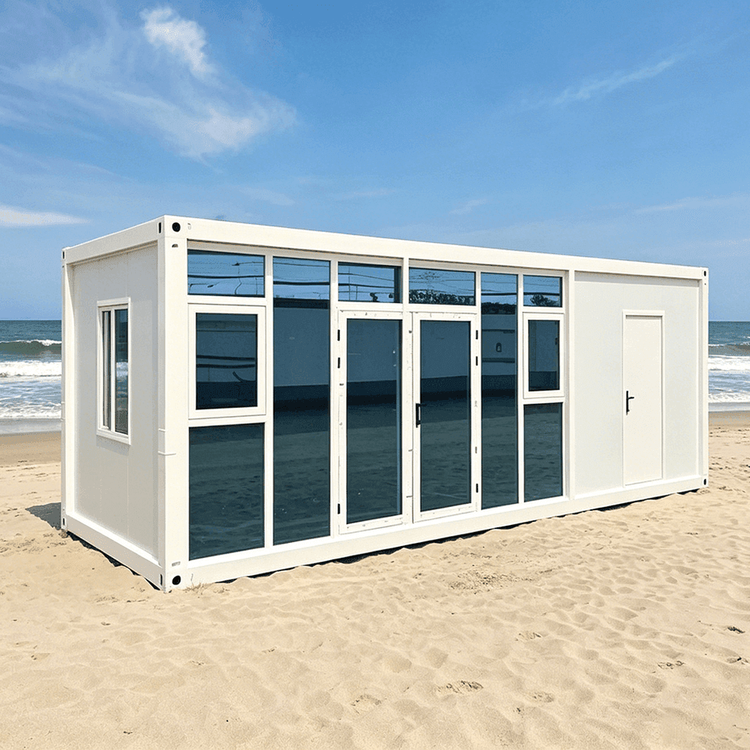
Mobile Toilet Without Holes
The absence of holes in mobile toilets is typically related to their design type and functional implementation, which can be categorized into the following scenarios:

1. No Trap (Direct Discharge) Design
If a mobile toilet uses an old-style squat toilet without small holes around it, it may belong to a direct discharge structure. This design connects directly to the sewer through a drainage pipe, eliminating the need for additional holes for drainage or odor prevention. Its core principle is to use gravity to allow waste to flow directly into the sewer system, but it requires a reasonable pipe slope to prevent blockages. However, direct discharge designs may pose a risk of odor backflow, so modern toilets often use traps (water seals) to isolate odors, and hole-free designs may only be suitable for specific scenarios (such as temporary events or areas with well-established drainage conditions).
2. Closed Container Collection System
Portable mobile toilets (such as those used for outdoor events) typically do not rely on traditional drainage holes but instead collect waste through closed containers (such as plastic buckets or detachable fecal storage tanks). These toilets fall into two categories:
- Dry Toilets: These absorb moisture and decompose organic matter by adding coverings like sawdust or coconut shell charcoal, reducing odors and suitable for scenarios without a water source;
- Chemical Toilets: These use blue deodorizers (containing disinfectants and fragrances) to decompose waste and inhibit bacterial growth, requiring regular cleaning of the storage tank. The "hole-free" design of these toilets eliminates the need for connection to a sewer but requires manual removal of the containers, making them suitable for short-term or emergency use.
3. Septic Tank or Pretreatment System
If a mobile toilet is fixed but lacks direct drainage holes, it may be equipped with a septic tank or pretreatment device. Waste first enters the septic tank for preliminary decomposition (reducing organic matter content through anaerobic fermentation) and is then periodically cleaned by a sewage suction truck. Some high-end models may integrate a small-scale sewage treatment system to convert waste into dischargeable liquid, but such designs are costly and mostly used for long-term use in scenic spots or remote areas.
4. Special Scenario Adaptation Design
In areas without sewer coverage (such as deserts or plateaus), mobile toilets may adopt vacuum suction or packaging technologies:
- Vacuum Toilets: These use a vacuum pump to generate negative pressure, quickly sucking waste into a fecal storage tank and reducing water consumption;
- Packaging Toilets: These use biodegradable plastic bags to encapsulate waste, which is then collected and processed centrally, eliminating the need for drainage holes throughout the process.
Summary: The hole-free design of mobile toilets essentially 脱离传统下水道系统 (detaches from traditional sewer systems), achieving waste management through physical isolation, chemical treatment, or mechanical collection. When choosing, it is necessary to comprehensively consider the usage scenario (such as duration, environment, water source) and functional requirements (such as odor control, cleaning frequency).
You may also like
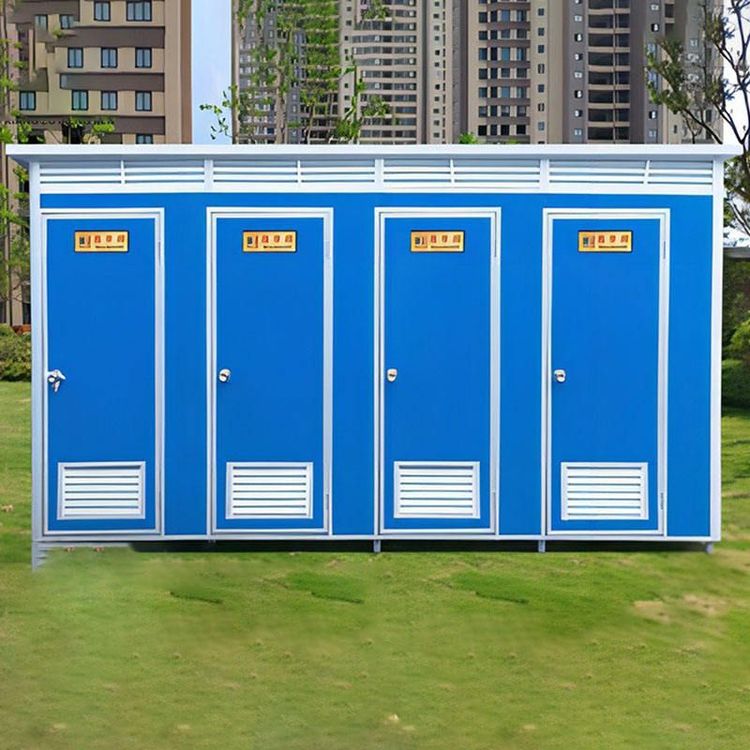
Standard Portable Toilet Specifications Model Dimensions: What to Know
Read More
House Reviewed: Best Picks & Tips
Read More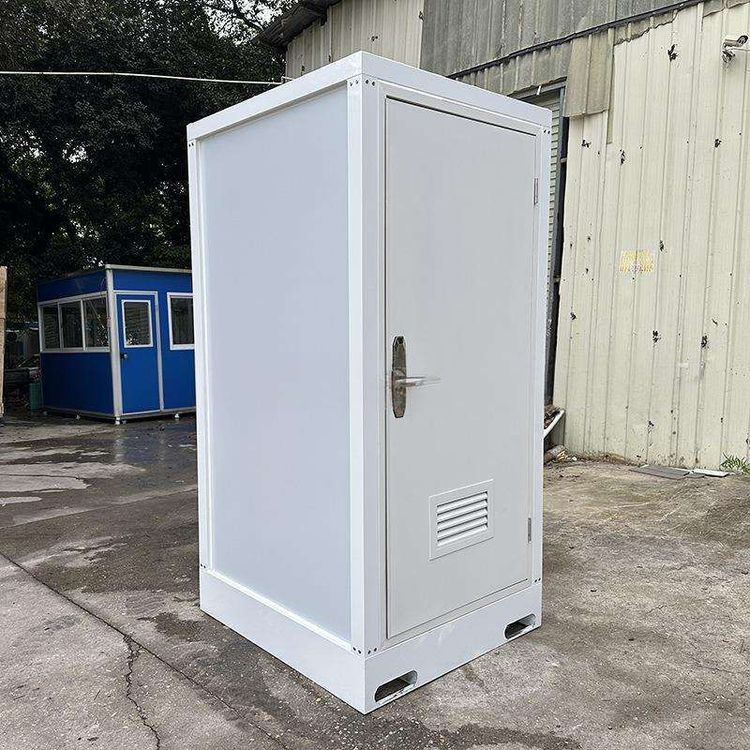
Portable Toilet Eco-Friendly Specifications Sizes & Dimensions: A Complete Guide
Read More