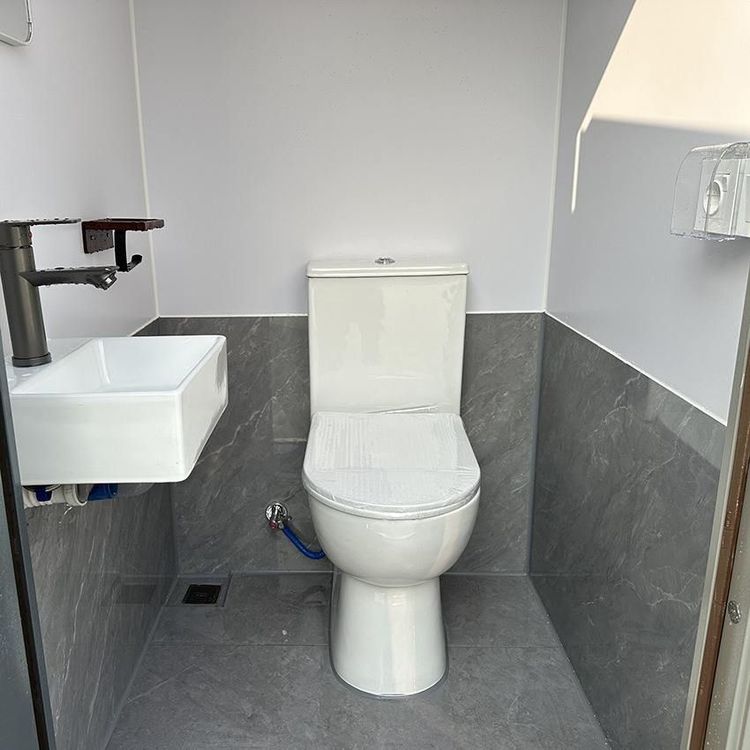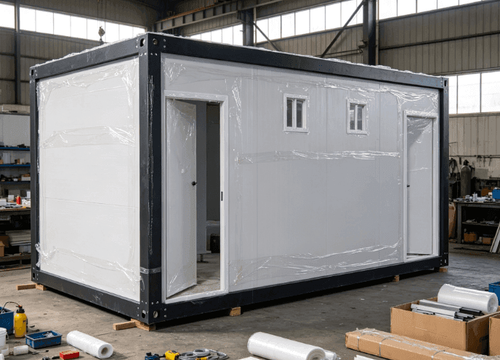
What Materials Are Used for Mobile Toilets
Common materials used for mobile toilets include fiberglass reinforced plastic, stainless steel, polyethylene or plastic, metal sheets or aluminum alloy, as well as composite or new materials, each with its own characteristics and suitable scenarios.
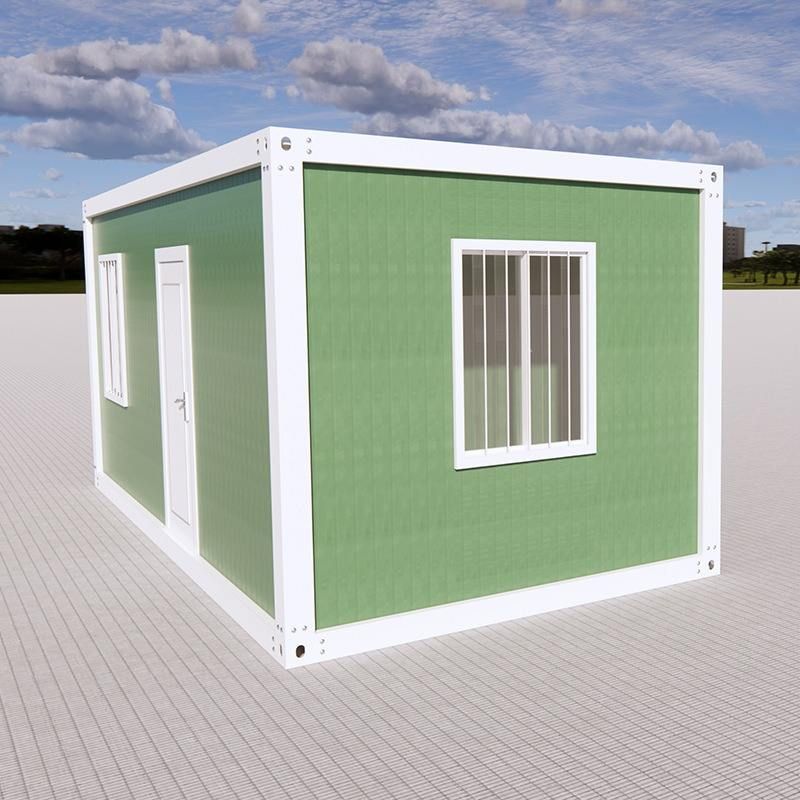
Fiberglass reinforced plastic is composed of glass fibers and resin, offering the significant advantage of being lightweight. This makes it extremely convenient for transportation and installation, saving labor and time costs. Its smooth surface is easy to clean and resistant to rust and corrosion, maintaining good performance even in humid or rainy environments. Additionally, fiberglass reinforced plastic has good thermal insulation properties, providing a relatively comfortable internal environment for users. However, its strength is relatively low, and it may develop cracks or even break under strong impacts, requiring regular inspection and maintenance.
Stainless steel is widely used in mobile toilets due to its strong impact and corrosion resistance, making it highly suitable for areas with high foot traffic or frequent use. Its surface is easy to disinfect, ensuring good hygiene conditions and providing strong protection for public health and safety. However, stainless steel has high thermal conductivity, causing the internal temperature to change easily with the weather, which may cause discomfort to users in cold or hot weather. Moreover, the cost of stainless steel is usually high, limiting its widespread application to some extent.
Polyethylene or plastic materials are lightweight, low-cost, and easy to mold and transport, giving them certain advantages in the manufacturing of mobile toilets. They have good sealing properties, effectively preventing odor leakage and keeping the surrounding environment fresh. At the same time, they are weather-resistant and not easily affected by rain or ultraviolet rays. However, these materials have low strength and are prone to wear or deformation under long-term use or harsh weather conditions, requiring frequent replacement.
Metal sheets or aluminum alloy materials combine the characteristics of lightweight and high strength, with aluminum alloy also having good corrosion resistance, making them particularly suitable for coastal or high-humidity areas. They have a stable structure, capable of withstanding strong winds or other external forces, and require relatively simple maintenance. Through surface treatment techniques, their service life can be further extended. However, their thermal insulation properties are poor, and additional insulation layers may be needed in cold regions.
Composite or new materials, such as fiber-reinforced plastics or hybrid materials, can balance the relationships between weight, strength, and cost, typically integrating multiple advantages and having good durability and environmental adaptability. They are also more flexible in design and functionality. However, the cost and technical requirements of these materials are high, and their current application scope is relatively narrow.