
Mobile Toilet Materials
The materials for mobile toilets mainly include several categories such as foundational structural materials, functional component materials, connecting and fastening materials, and auxiliary materials.
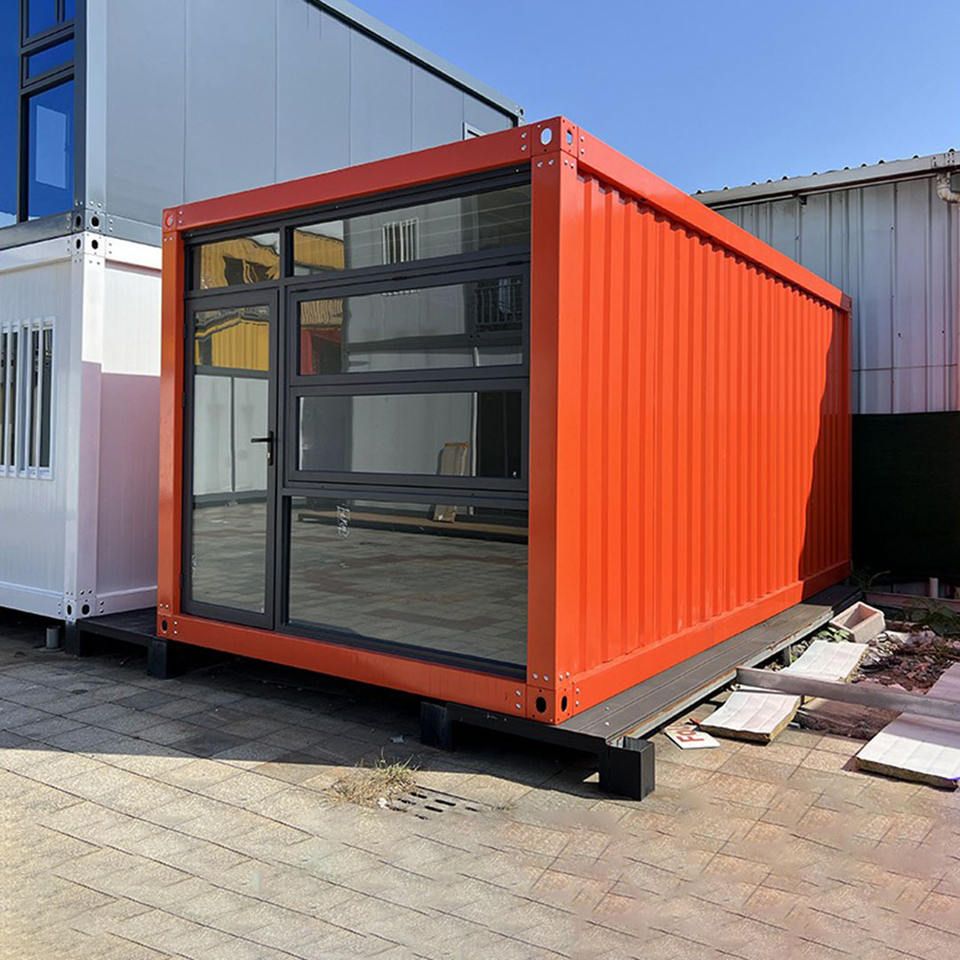
Foundational structural materials are crucial for constructing the overall framework and providing support for mobile toilets. Common ones include wooden boards and wooden strips, which can be used to build the wall frames and floor sub-bases of the toilet, offering basic structural support. Aluminum sheets are also frequently used for constructing walls and roofs. Aluminum sheets are lightweight, corrosion-resistant, and have relatively high strength, making them suitable for the needs of mobile toilets and ensuring the structural stability and durability of the toilet. The choice of flooring materials depends on different design requirements and usage environments, such as non-slip and easy-to-clean materials, to ensure safety and hygiene during use.
Functional component materials are the core parts for realizing the various functions of mobile toilets. The toilet tank is an important part of the flushing system, used for storing and providing the water needed for flushing. Sanitary ware includes toilets, washbasins, etc. Their materials are usually ceramic or plastic. Ceramic sanitary ware has a smooth surface and is easy to clean, while plastic sanitary ware is lightweight and cost-effective. The fecal sewage storage tank (or fecal sewage treatment device) is a key component for treating fecal sewage. The storage tank is generally made of materials with good sealing properties to prevent odor leakage and sewage overflow. The treatment device may involve more complex filtration and purification technologies, placing higher demands on the materials.
Connecting and fastening materials are used to firmly connect various components together. Butterfly hinges are commonly used for installing doors to enable the opening and closing function. Screws are commonly used fasteners for connecting structural components such as wooden boards and aluminum sheets. Adhesive can be used for bonding and fixing some components to enhance structural stability.
Auxiliary materials include plastic buckets (or water storage buckets), which can be used for storing flushing water or as containers for other liquids. Casters are installed at the bottom of mobile toilets to facilitate their movement and positioning. Three-way straight pipes, elbows, valve switches, drainage pipes, hoses, etc. are used for connecting and controlling the water system to ensure the normal flow and drainage of water.



