
Mobile Toilet Marketing Plan
The mobile toilet marketing plan can be designed from five aspects: market background and target positioning, market research, marketing strategies, implementation plan, and effectiveness evaluation, as detailed below:
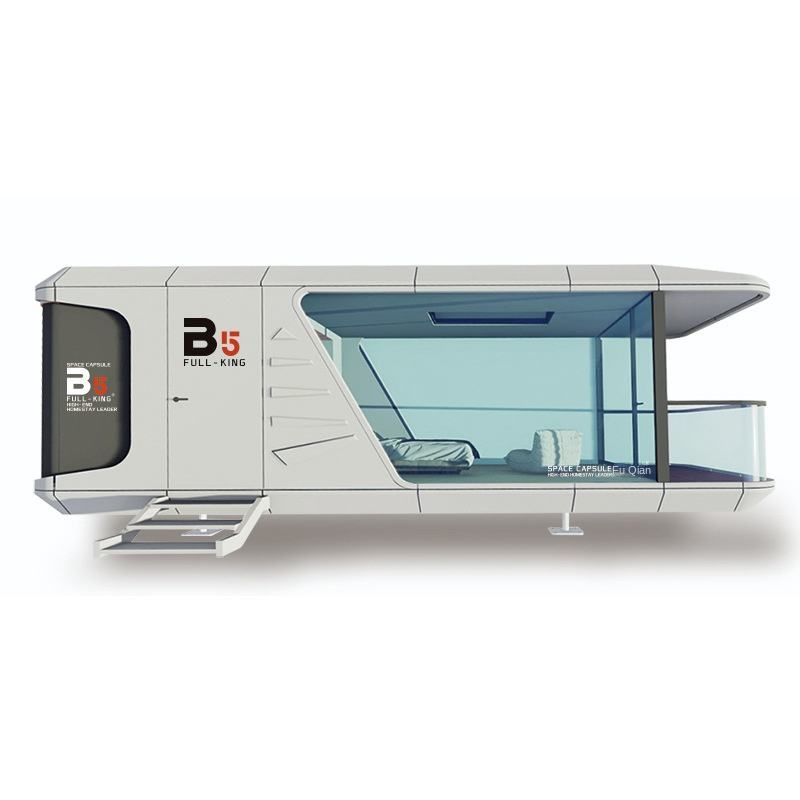
Market Background and Target Positioning: With socio-economic development, people's demands for quality of life and public sanitation facilities have increased, leading to growth in the demand for mobile toilets. The target positioning includes enhancing brand awareness to make it the top choice for consumers; improving user satisfaction by enhancing the experience in terms of design, functionality, and hygiene; and expanding market share to attract more partners and consumers.
Market Research: Conduct consumer demand analysis through surveys and interviews to understand needs regarding the appearance, functionality, hygiene, and location of mobile toilets. Perform competitor analysis to study product features, marketing strategies, and market shares within the industry, identifying strengths and weaknesses. Pay attention to market trends such as intelligence, environmental protection, and humanization to provide direction for product development and marketing strategies.
Marketing Strategies:
- Product Strategy: Design the appearance by combining modern aesthetics and humanization; introduce intelligent and eco-friendly elements to innovate functionality; use advanced technologies and materials to ensure hygiene; and design for environmental adaptability based on climatic conditions.
- Price Strategy: Differentiate pricing based on product features, materials, and design; conduct promotional activities such as limited-time discounts and group-buying offers.
- Channel Strategy: Establish online channels such as official websites and e-commerce platform flagship stores; collaborate with home improvement markets and real estate developers to expand offline channels; and build partnerships with relevant enterprises and government agencies for joint promotion.
- Promotion Strategy: Enhance brand awareness through media advertising; utilize social media to publish content, create short videos, and conduct online activities for content marketing; collaborate with surrounding businesses for joint promotions, host themed events, and set up experience zones for offline activities; and cooperate with catering, tourism, and advertising enterprises to achieve mutual benefits.
Implementation Plan: Develop products based on market research results; strictly control production quality; establish good relationships with partners to expand channels; and carry out marketing activities in an orderly manner according to promotion strategies.
Effectiveness Evaluation: Monitor changes in customer traffic through data analysis; understand brand awareness through surveys and word-of-mouth; and assess user satisfaction through feedback, adjusting and optimizing marketing strategies in a timely manner.
You may also like

Portable Toilet Used in 2026: Buying Guide & Recommendations
Read More
Portable Toilet Custom Explained: How to Choose the Right One
Read More
Top Portable Toilet Smart Manufacturers: How to Choose a Factory Partner
Read More