
Mobile Toilet Maintenance Plan
The maintenance plan for mobile toilets should be systematically carried out from multiple aspects such as cleaning and disinfection, equipment inspection, and system maintenance. The specific measures are as follows:
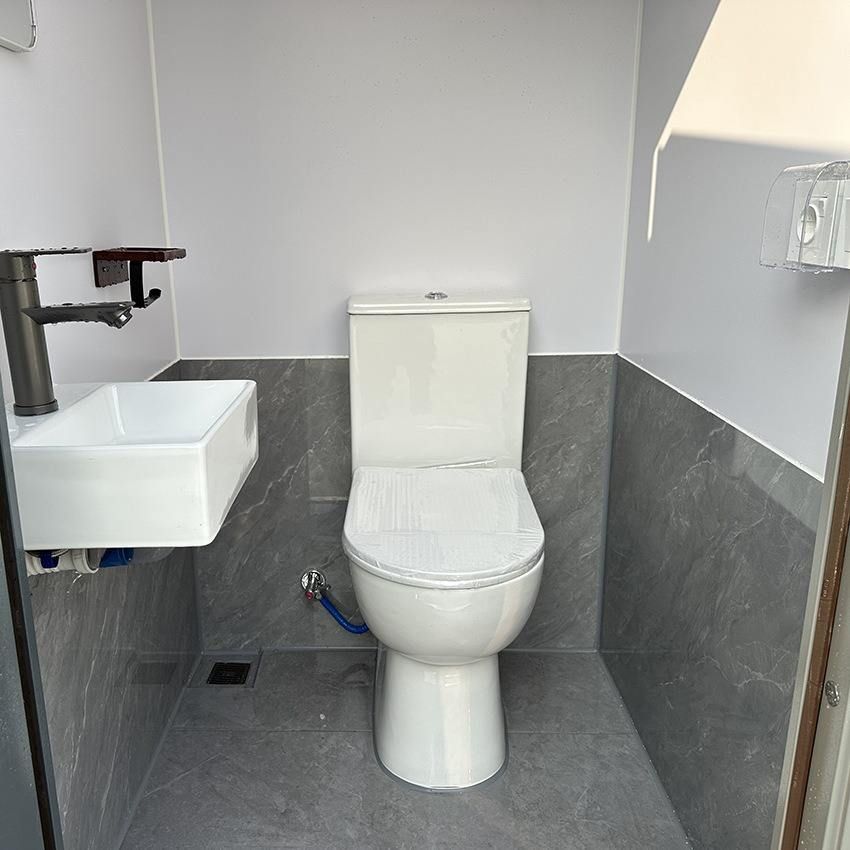
1. Regular Cleaning and Disinfection
Clean high-frequency contact areas inside the toilet (such as the toilet bowl, sink, door handle, and flush button) daily or weekly using neutral or specialized cleaning agents to avoid surface corrosion caused by strong acids or alkalis. During disinfection, focus on areas such as the toilet seat ring and faucet switches. Use a disinfectant that meets hygiene standards, wipe with it, and then perform a secondary cleaning with water to reduce chemical residues. Empty the trash can daily to prevent the accumulation of garbage, which can breed bacteria or generate odors.
2. Equipment and Facility Inspection and Maintenance
- Water Supply System: Regularly check if the water supply pipes are blocked and if the water tank is supplying water normally. Promptly replace damaged faucets, light fixtures, and other components.
- Sealing Performance: Check for gaps at the joints between the floor and walls and for cracks at the bottom to prevent water leakage that could damage the structure.
- Ventilation System: Ensure that the ventilation openings are not blocked to maintain air circulation and prevent the accumulation of odors.
- Electrical System: Inspect electrical equipment such as batteries and light bulbs, and promptly replace aging components to ensure the normal operation of lighting and ventilation equipment.
3. Sanitary System and Flush Device Maintenance
- Manual/Foot-operated Flush Valves: If there is a malfunction, check whether the springs and seals inside the valve are aging or blocked by scale. Clean or replace damaged components.
- Automatic Induction Flush Devices: First, check if the power supply and infrared sensing window are blocked by dirt. If the problem is not resolved, contact a professional to inspect and repair the control board or solenoid valve.
- Storage Tanks and Pipes: Minor leaks can be repaired with waterproof sealing tape, while severe leaks require the replacement of the entire water tank.
4. Waste Collection and Disposal System Management
- Chemical/Vacuum Systems: Replace chemicals or clean vacuum suction and discharge pipes according to regulations to ensure a smooth sewage disposal process that meets environmental protection requirements.
- Packing Toilets: Regularly check the integrity of the packing and promptly address any damage or leakage issues.
5. Structural Component and Facility Inspection
- Outer Shell and Sealing: Check for cracks, deformation, or rust on the exterior wall panels and roof. Promptly repair aging sealant at the joints.
- Metal Components: Ensure that door locks, hinges, handrails, etc., remain flexible and secure. Regularly apply lubricating oil to prevent rust.
- Internal Facilities: Ensure that partitions and shelves are stable and undamaged. Immediately replace lighting fixtures and ventilation fans that are not working properly.
- Floor Anti-slip: Check the wear condition of the anti-slip layer to ensure safety during use.
6. Consumable Replenishment and Replacement
Establish a regular inspection checklist to ensure an adequate supply of consumables such as hand soap, toilet paper, and paper towels, and that paper towel dispensers and soap dispensers are in good condition. For toilets using biodegradable agents or deodorizers, add them regularly according to the product instructions.
7. Seasonal Protection
Before the cold season, drain or wrap insulation materials around the water supply pipes of outdoor toilets to prevent freezing and cracking.
8. Record-keeping and Inspection
After each maintenance, record the time, content, and replaced components in detail and establish an archive for future reference.



