
Mobile Toilet Maintenance
The maintenance of mobile toilets requires a comprehensive approach covering daily maintenance, safety considerations, equipment inspections, cleaning and disinfection procedures, and other key aspects.
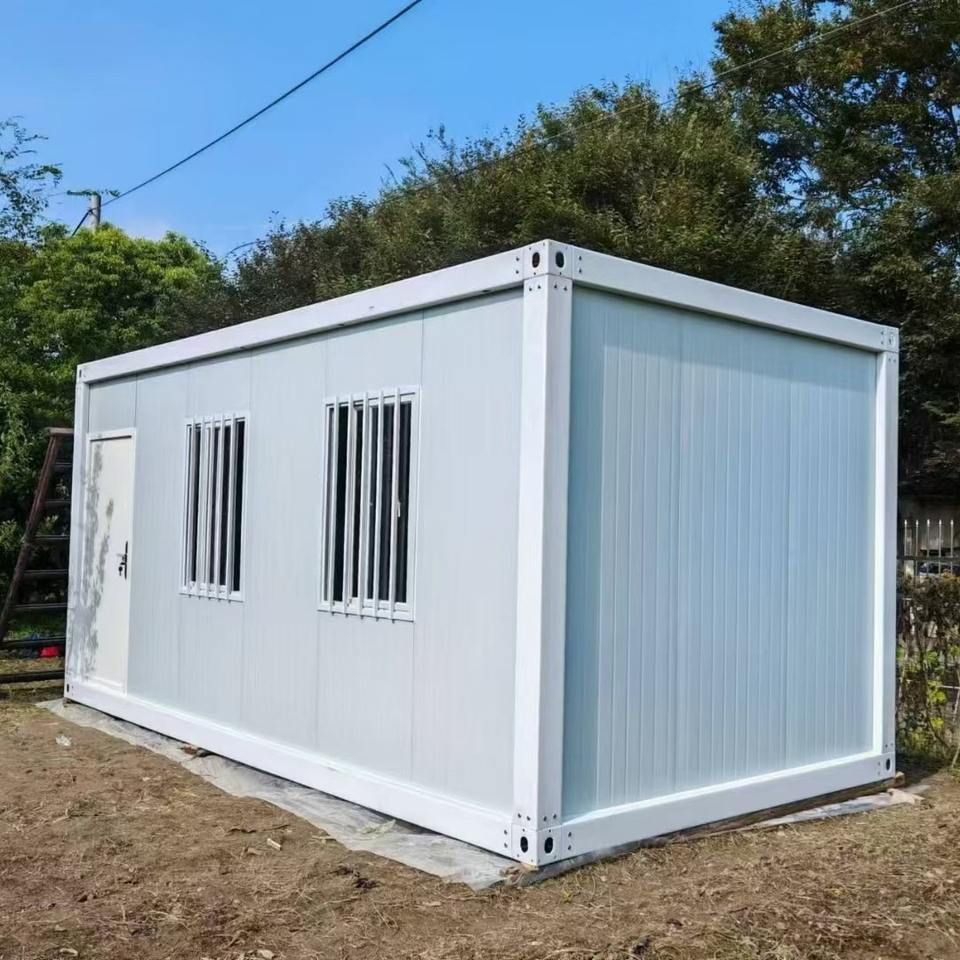
Daily Maintenance
- Deep Cleaning and Disinfection: Use professional cleaning agents and tools to scrub internal areas of the toilet, such as the toilet bowl, floor, and walls, to remove stains and scale. Then, spray or wipe with disinfectants that meet hygiene standards, paying special attention to high-frequency contact areas.
- Inspection and Repair of Facilities and Equipment: Regularly conduct systematic inspections of the flushing system, lighting and ventilation system, structural components, and supporting equipment. Promptly repair or replace any minor faults or damaged parts to ensure the normal operation of the equipment.
- Replenishment of Consumables and Supplies: Based on preset inspection cycles, promptly replenish consumables such as toilet paper and hand soap. At the same time, check the status of items like air fresheners and anti-slip mats to ensure their proper use.
- Septic Tank and Sewage Treatment: For non-direct-discharge mobile toilets, professional companies should be equipped with dedicated vehicles and equipment to extract and transport septic tank waste in accordance with environmental protection requirements and send it to designated locations for harmless treatment.
- Appearance and Environmental Maintenance: Clean the external casing and signage of the mobile toilet, and pay attention to the cleanliness of the surrounding environment, cleaning it when necessary.
Basic Principles and Safety Considerations
- Hygiene and Safety Go Hand in Hand: Maintain a clean and odor-free internal environment, and strictly comply with environmental protection and hygiene regulations during the discharge and cleaning processes.
- Equipment Integrity and User-Friendliness: Ensure that components such as door locks and lids are in good condition and operate smoothly without jamming or looseness.
- Record First, Execute Properly: Keep detailed records of every cleaning, maintenance, and repair task for traceability.
- Training and Clear Responsibilities: Operators should master the correct operating procedures and have clear job responsibilities and contact information.
Other Maintenance Points
Arrange for cleaning staff to clean regularly to prevent the accumulation of dust inside. Properly maintain equipment and facilities, including cleaning, lubricating, and tightening, and promptly replace consumables. Regularly inspect the actual situation and keep records of daily maintenance and actual maintenance conditions. Conduct regular inspections of equipment and facilities. In case of faults or abnormalities, organize technicians to carry out repairs in accordance with relevant technical procedures. If repairs are not possible, contact the manufacturer. During the warranty period, free repairs or replacements will be provided for non-human-induced damages.



